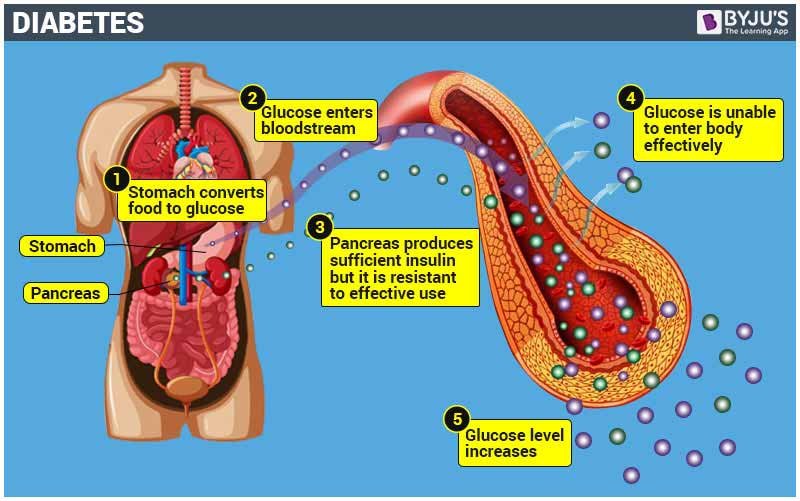
Diabetes Mellitus
Diabetes mellitus is a group of chronic metabolic conditions in which blood glucose (blood sugar) levels remain higher than normal over time. It develops when the body does not produce enough insulin, does not respond properly to insulin, or both.
Insulin is a hormone produced by the pancreas that helps glucose move from the bloodstream into cells, where it can be used for energy.
If diabetes is not properly managed, persistently high blood sugar can affect different organs and may increase the risk of complications involving the eyes, kidneys, nerves, heart and blood vessels.
What Is Diabetes Mellitus?
Diabetes mellitus is a chronic disorder affecting the way the body uses glucose, fat and protein.
The main types include:
Type 1 Diabetes
In type 1 diabetes, the immune system attacks and destroys the insulin-producing beta cells of the pancreas. As a result, the body produces little or no insulin.
People with type 1 diabetes require insulin treatment to manage their blood glucose.
Type 1 diabetes can occur at any age, although it is commonly diagnosed in children, adolescents and young adults.
Type 2 Diabetes
Type 2 diabetes is the most common form of diabetes.
It usually begins with insulin resistance, meaning that the body’s cells do not respond effectively to insulin. Over time, the pancreas may also become unable to produce enough insulin to maintain normal blood glucose levels.
Genetic factors, excess body weight, physical inactivity and other lifestyle and metabolic factors can contribute to type 2 diabetes.
Gestational Diabetes
Gestational diabetes develops during pregnancy in a person who did not have diabetes before pregnancy.
It generally requires appropriate monitoring and management during pregnancy because high blood glucose can affect both the mother and baby.
Causes and Risk Factors of Diabetes
The causes vary according to the type of diabetes.
Type 1 Diabetes
The exact cause of type 1 diabetes is not completely understood. It is primarily related to an autoimmune process in which the body’s immune system damages insulin-producing pancreatic beta cells.
Type 2 Diabetes
Type 2 diabetes can develop from a combination of genetic, metabolic and lifestyle factors.
Risk factors include:
- Family history of diabetes
- Overweight or obesity
- Physical inactivity
- High blood pressure
- Unhealthy dietary patterns
- Increasing age
- Certain metabolic conditions
- History of gestational diabetes
Having a family member with diabetes can increase the likelihood of developing the condition, but it does not mean that diabetes is inevitable.
Other Risk Factors
The original content also highlights:
- Stress
- Anxiety
- Unhealthy food choices
- Physical inactivity
These factors can contribute to an unhealthy metabolic profile, although diabetes has multiple causes and cannot be attributed to stress or diet alone.
Symptoms of Diabetes
Some people with type 2 diabetes may have few or no noticeable symptoms, particularly during the early stages.
Common symptoms can include:
- Increased thirst
- Frequent urination, especially at night
- Increased hunger
- Unexplained weight loss
- Weakness or fatigue
- Blurred vision
- Itching
- Slow-healing wounds
- Nausea or vomiting, particularly when blood glucose is significantly elevated
Persistently high blood sugar can also affect nerves and blood vessels over time.
Diabetes Symptoms in Men
Men with diabetes may experience sexual and reproductive problems, particularly when diabetes is poorly controlled or has caused nerve or blood-vessel complications.
These may include:
- Erectile dysfunction
- Reduced sexual function
- Reduced physical strength or fatigue
Sexual symptoms should be discussed with a healthcare professional because they can have several possible causes.
Diagnosis of Diabetes
Diabetes is diagnosed using blood glucose testing.
Common tests include:
Fasting Blood Glucose
A fasting blood glucose test measures blood sugar after a period without eating.
HbA1c Test
The HbA1c test provides an estimate of average blood glucose levels over the preceding few months and is commonly used to diagnose and monitor diabetes.
Oral Glucose Tolerance Test
An oral glucose tolerance test (OGTT) measures how the body responds to glucose over a period of time. It is particularly important in certain situations, including the evaluation of gestational diabetes.
Your doctor will determine which test or combination of tests is appropriate based on your symptoms and medical history.
Diabetes Management and Lifestyle Measures
Diabetes requires ongoing monitoring and management. Lifestyle measures can be an important part of care, particularly for people with type 2 diabetes.
Helpful measures include:
- Engage in regular physical activity as advised by your healthcare professional.
- Maintain a healthy body weight.
- Follow a balanced, diabetes-friendly eating pattern.
- Limit highly processed foods and excess added sugars.
- Avoid smoking.
- Limit or avoid alcohol, depending on your medical advice.
- Monitor blood glucose as recommended.
- Attend regular medical check-ups.
- Take prescribed diabetes medicines consistently.
- Manage stress through healthy coping strategies.
- Have regular monitoring of blood pressure, cholesterol, kidney function and other diabetes-related health measures when recommended.
Can Diabetes Be Prevented?
Type 1 diabetes cannot currently be prevented through lifestyle changes.
The risk of developing type 2 diabetes can often be reduced through healthy eating, regular physical activity, maintaining a healthy weight and addressing other metabolic risk factors.
Gestational diabetes cannot always be prevented, but maintaining healthy habits before and during pregnancy may help reduce risk.
Homeopathic Treatment Approach for Diabetes
At 247 Homeopathy, Dr. Ruchi takes an individualized approach when discussing homeopathic care for patients with diabetes.
The original treatment section provided by Dr. Ruchi states that homeopathy is intended to support the body’s overall health and immunity and may be considered alongside diabetes management.
However, homeopathy should not be presented as a replacement for insulin, prescribed diabetes medicines, blood glucose monitoring, dietary management or medical follow-up.
There is currently insufficient reliable scientific evidence to conclude that homeopathy can control diabetes or replace established diabetes treatment.
Patients who are already taking insulin or other diabetes medicines should not stop, reduce or change their medication without consulting their treating doctor, as uncontrolled blood glucose can lead to serious complications.
Homeopathic consultation can be considered as a complementary approach, with the patient’s existing diabetes treatment and monitoring continued under appropriate medical supervision.
Frequently Asked Questions About Diabetes Mellitus
1. Can diabetes cause tingling or numbness in the feet?
Yes. Persistently high blood glucose can damage nerves over time and may cause tingling, burning, numbness, or reduced sensation, particularly in the feet and legs.
2. Can diabetes cause frequent infections?
Yes. Diabetes can increase the risk of certain infections, particularly when blood glucose remains high. Recurrent infections should be discussed with a healthcare professional.
3. Can diabetes cause skin changes?
Yes. Diabetes can be associated with various skin changes, including dry or itchy skin and some characteristic skin conditions. New, persistent, or unexplained skin changes should be assessed.
4. Can diabetes cause blurred vision?
Yes. Changes in blood glucose can temporarily affect vision, while long-term diabetes can increase the risk of eye conditions such as diabetic retinopathy. New or persistent vision changes should be evaluated.
5. Can diabetes cause excessive sweating or shakiness?
Yes. Sweating, shaking, hunger, dizziness, or a fast heartbeat can occur when blood glucose becomes too low, particularly in people using insulin or certain diabetes medicines. Severe symptoms such as confusion or loss of consciousness require urgent medical attention.
6. Can diabetes cause kidney problems?
Yes. Diabetes can damage the kidneys over time, particularly when blood glucose and blood pressure are not well controlled. Regular kidney health checks can help identify problems early.
Consult 247 Homeopathy in Zirakpur
If you are looking for individualized homeopathic consultation for diabetes mellitus, 247 Homeopathy in Zirakpur, Punjab, provides consultations with Dr. Ruchi.
The consultation can include discussion of your symptoms, medical history, lifestyle, current medicines and overall health.
Patients from Zirakpur, Chandigarh, Panchkula, Mohali, Dera Bassi, Baltana and Dhakoli can contact the clinic for consultation information. Online consultation may also be considered for patients who cannot visit the clinic in person.