Wrist Rheumatism
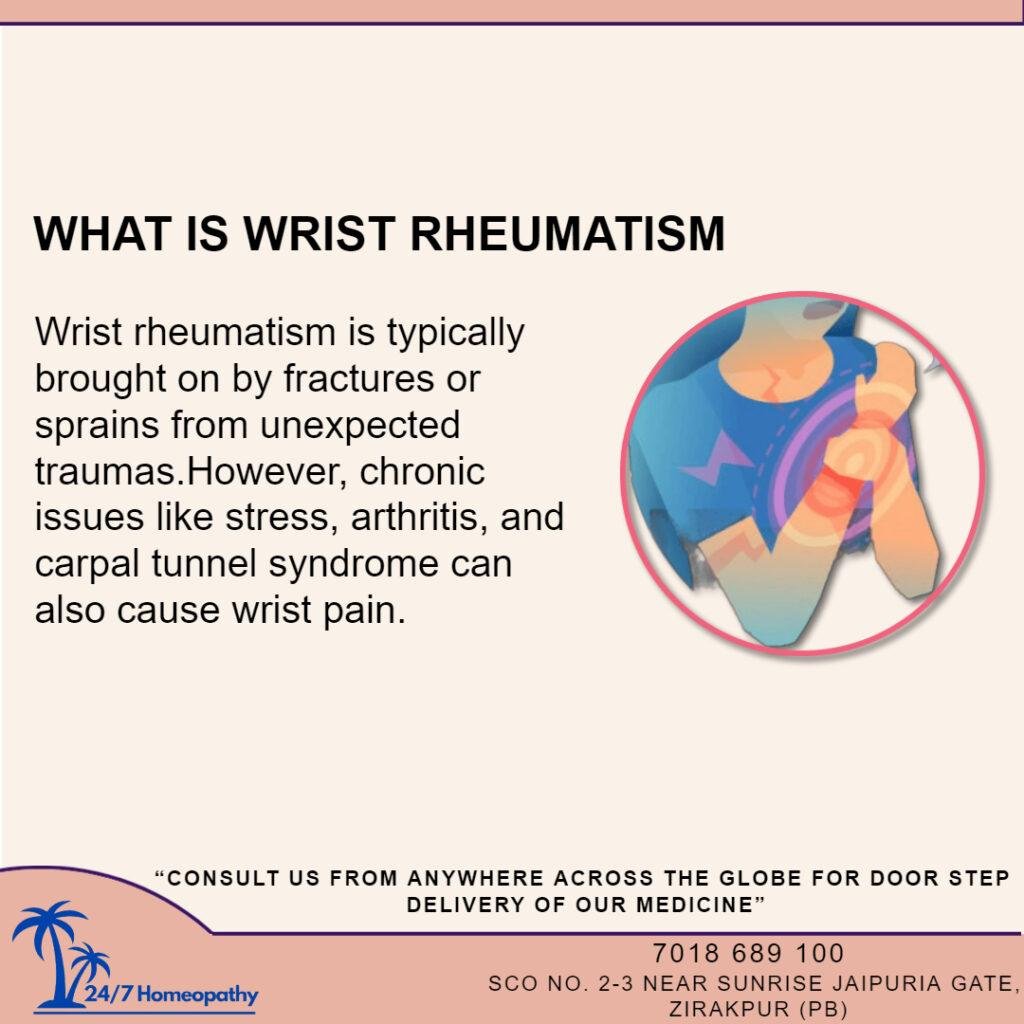
Wrist rheumatism is a term commonly used to describe wrist pain, stiffness, swelling, or discomfort associated with conditions affecting the wrist joints, surrounding tissues, or nerves.
Wrist pain can develop after an injury such as a fracture or sprain. It can also occur because of arthritis, repetitive wrist movements, carpal tunnel syndrome, or other conditions.
Because wrist pain can have many different causes, identifying the underlying problem is important for choosing the appropriate treatment and management approach.
What Causes Wrist Rheumatism?
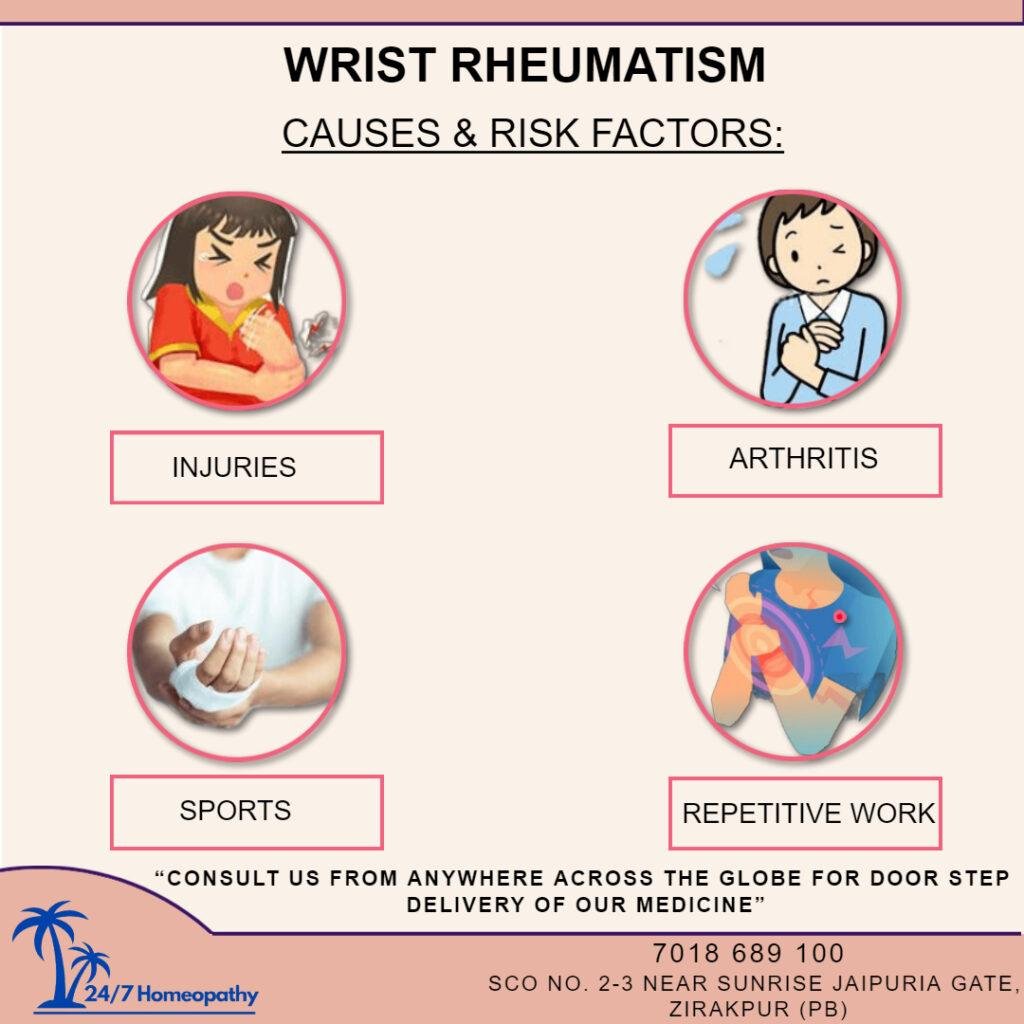
Damage or inflammation affecting any part of the wrist can cause pain and interfere with normal wrist movement.
Common causes include:
1. Wrist Injuries
Sudden Impact
Falling forward onto an outstretched hand is a common cause of wrist injury.
It can result in:
- Wrist sprain
- Ligament injury
- Strain
- Fracture
- Soft-tissue injury
A wrist injury may cause pain, swelling, tenderness, and difficulty using the hand.
Repetitive Stress
Repeated wrist movements can place stress on the muscles, tendons, and other tissues around the wrist.
Activities involving repeated gripping, lifting, or wrist movement may contribute to wrist discomfort.
For example, repetitive movements during sports such as tennis may place additional stress on the wrist.
2. Arthritis
Osteoarthritis
Osteoarthritis can develop gradually when the cartilage protecting the ends of bones becomes damaged or wears down.
It may cause:
- Wrist pain
- Stiffness
- Reduced movement
- Swelling
- Clicking or grinding sensations
Rheumatoid Arthritis
Rheumatoid arthritis is an inflammatory autoimmune condition that can affect the wrist.
It may cause pain, swelling, stiffness, and difficulty moving the wrist. Symptoms may affect both sides of the body.
3. Other Conditions
Carpal Tunnel Syndrome
The median nerve passes through a narrow passage called the carpal tunnel on the palm side of the wrist.
In carpal tunnel syndrome, pressure on the median nerve can cause:
- Numbness
- Tingling
- Burning
- Pain
- Weakness in the hand
Symptoms may particularly affect the thumb, index finger, middle finger, and part of the ring finger.
Ganglion Cyst
A ganglion cyst is a fluid-filled lump that commonly develops around the wrist or hand.
Some ganglion cysts cause no symptoms, while others may cause pain or discomfort, particularly with certain movements or activities.
Symptoms of Wrist Rheumatism
Symptoms depend on the underlying cause.
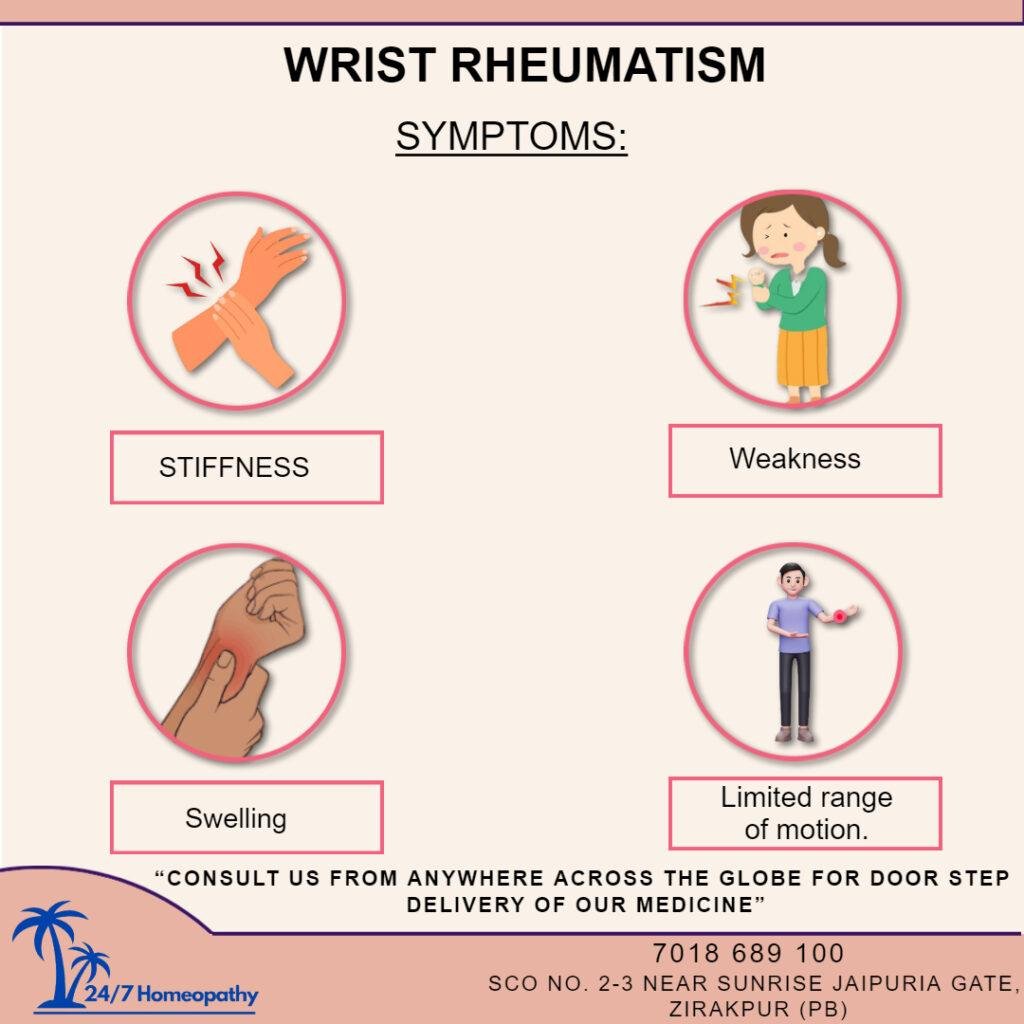
Common symptoms include:
- Wrist pain
- Stiffness
- Swelling
- Weakness
- Tenderness
- Limited range of motion
- Difficulty gripping objects
- Clicking, cracking, or grinding sounds during movement
- Numbness or tingling
- Burning or shooting pain
The nature of the pain may also provide clues about its cause.
For example, arthritis may cause aching and stiffness, while nerve compression such as carpal tunnel syndrome may produce tingling, numbness, or a pins-and-needles sensation.
Risk Factors for Wrist Pain
Wrist pain can affect anyone, but certain activities and conditions may increase the risk.
Sports
Wrist injuries can occur in sports involving impact, falls, or repetitive wrist movements.
Examples include:
- Tennis
- Golf
- Football
- Bowling
- Gymnastics
- Other activities involving repetitive wrist use
Repetitive Work
Activities that repeatedly use the hands and wrists can place stress on the wrist.
Examples include:
- Typing
- Cutting hair
- Knitting
- Repetitive gripping
- Manual work
- Repeated lifting
The risk may increase when these activities are performed for long periods without adequate rest or ergonomic support.
Diagnosis of Wrist Pain
Because wrist pain can have several causes, diagnosis generally begins with a medical history and physical examination.
A healthcare professional may assess:
- Location of pain
- Duration of symptoms
- Previous injury
- Wrist movement
- Swelling or tenderness
- Grip strength
- Numbness or tingling
- Repetitive activities
- Other joint symptoms
Depending on the suspected cause, investigations such as X-ray, ultrasound, MRI, nerve conduction studies, or blood tests may be recommended.
For example, an X-ray can help identify a fracture or changes associated with arthritis, while nerve testing may be useful when carpal tunnel syndrome is suspected.
Prevention and Lifestyle Tips
Some wrist problems can be reduced by taking care of the joints and avoiding unnecessary strain.
Build Bone Strength
Adequate calcium and vitamin D, along with a balanced diet and appropriate physical activity, can support bone health.
Reduce the Risk of Falls
Falls can cause wrist fractures and other injuries.
Helpful measures include:
- Wear appropriate footwear.
- Keep floors and walking areas free from hazards.
- Take care on slippery surfaces.
- Use appropriate support when necessary.
Follow Good Ergonomics
People who spend long periods working at a keyboard or computer should:
- Take regular breaks.
- Avoid keeping the wrist in an awkward position for long periods.
- Maintain a comfortable working posture.
- Avoid excessive repetitive movements.
Give the Wrist Adequate Rest
If repetitive activity causes wrist discomfort, reducing the activity temporarily and allowing the wrist to recover may be helpful.
Homeopathic Medicines and Treatment for Wrist Rheumatism
At 247 Homeopathy in Zirakpur, Dr. Ruchi follows an individualized approach when selecting homeopathic medicines.
The choice of remedy may depend on the nature of the wrist pain, stiffness, injury history, repetitive use, associated symptoms, and the individual’s overall health.
The remedies included in the doctor’s original treatment approach are:
Rhus Tox
Rhus tox is considered in the homeopathic approach when wrist stiffness and pain are worse with initial movement but improve as movement continues.
The wrist may feel sore and stiff, with symptoms reported as better with warmth and worse in cold or damp conditions.
Ruta
Ruta is traditionally considered when wrist discomfort is associated with overuse, strain, or repetitive activity.
The wrist and arms may feel weak, stiff, bruised, or sore after repeated use.
Arnica Montana
Arnica is traditionally used in homeopathy for symptoms associated with injury, soreness, bruised sensations, or overexertion.
The wrist may feel sore and tender after an injury or repetitive strain.
Hypericum
Hypericum is traditionally considered in homeopathy when pain following an injury has a sharp, shooting, or nerve-like character, particularly when nerve-rich areas are involved.
Guaiacum
Guaiacum is included in the doctor’s homeopathic approach for certain patterns of wrist stiffness and burning discomfort, including symptoms associated with carpal tunnel syndrome.
The appropriate remedy should be selected individually rather than taken solely because a person has wrist pain.
When Should You See a Doctor for Wrist Pain?
Seek medical evaluation if:
- Wrist pain follows a significant fall or injury.
- The wrist appears deformed.
- You cannot move the wrist normally.
- There is severe swelling or pain.
- You have persistent numbness or weakness.
- You are losing grip strength.
- Pain continues despite rest.
- Symptoms repeatedly return.
- You have wrist pain along with swelling in other joints.
Prompt evaluation is particularly important after an injury because some fractures and ligament injuries may not be obvious from symptoms alone.
Frequently Asked Questions About Wrist Rheumatism
What should I do if my wrist pain suddenly becomes severe?
Sudden severe wrist pain, especially after an injury or when accompanied by marked swelling, deformity, numbness or inability to move the wrist, should receive prompt medical assessment.
Consult 247 Homeopathy in Zirakpur
If you are experiencing wrist pain, stiffness, swelling, or repetitive-strain-related discomfort, you can consult Dr. Ruchi at 247 Homeopathy in Zirakpur, Punjab.
247 Homeopathy provides consultations for patients from Zirakpur and nearby areas, as well as online consultations for patients across India and worldwide.
During consultation, Dr. Ruchi can review your symptoms, previous injuries, daily activities, medical history, and existing investigation reports before discussing an individualized homeopathic approach.
For severe injury, suspected fracture, significant swelling, loss of sensation, or sudden weakness, seek appropriate medical evaluation promptly.


