Basal cell carcinoma (BCC) is the most common type of skin cancer. It develops from basal cells, which are found in the lower part of the epidermis and help produce new skin cells. Long-term exposure to ultraviolet (UV) radiation from sunlight is the most important risk factor. Basal cell carcinoma usually grows slowly and rarely spreads to distant parts of…
BILE DUCT CANCER
Bile duct cancer, also called cholangiocarcinoma, is a rare cancer that begins in the bile ducts. The bile ducts are a network of small tubes that carry bile from the liver and gallbladder into the small intestine, where bile helps with digestion. Bile duct cancer can develop in different parts of the bile duct system. The symptoms and treatment options…
BLADDER CANCER
Bladder cancer is a type of cancer that begins in the bladder, the hollow muscular organ in the lower abdomen that stores urine before it leaves the body. Most bladder cancers begin in urothelial cells, which line the inside of the bladder. These cells are also found in the lining of the renal pelvis, ureters and other parts of the…
BONE CANCER
Bone cancer is a rare cancer that begins in the cells of a bone. It is different from a benign bone tumor, which is non-cancerous and generally does not spread to distant parts of the body. It is also important to distinguish primary bone cancer from cancer that has spread to the bones from another part of the body. Bone…
BRAIN TUMOUR
A brain tumour is a mass or growth of abnormal cells that develops in the brain. Brain tumours may be benign (non-cancerous) or malignant (cancerous). They can develop in different parts of the brain and may also occur in the spinal cord. The symptoms of a brain tumour can vary depending on its type, location and effect on surrounding areas…
BURKITT LYMPHOMA
Burkitt lymphoma is a type of non-Hodgkin B-cell lymphoma that affects the lymphatic system. It is a rapidly growing type of lymphoma that can occur in different parts of the body, including the lymph nodes, bone marrow and other organs. Burkitt lymphoma can occur in children as well as adults. The symptoms and areas affected can vary from person to…
EPENDYMOMA-BRAIN CANCER
Ependymoma is a type of tumour that can develop in the brain or spinal cord. It develops from ependymal cells, which line the ventricles of the brain and the central canal of the spinal cord. Ependymomas can occur at different ages but are more commonly seen in children and young adults. Symptoms can vary depending on the location of the…
CHOLANGIOCARCINOMA / BILE DUCT CANCER
Cholangiocarcinoma, also known as bile duct cancer, is a cancer that develops in the bile ducts. The bile ducts are slender tubes that carry bile, a digestive fluid produced by the liver, toward the gallbladder and small intestine. When cells in the bile ducts become abnormal and grow uncontrollably, they can form cholangiocarcinoma. Cholangiocarcinoma is a rare cancer and can…

Barbers Itch Or Tinea Barbae
Barbers itch, also known as Tinea Barbae, is a fungal infection that affects the hair-bearing areas of the face and neck. It commonly involves areas such as the beard, chin, upper lip and neck. The condition is more commonly seen in adult men because it affects areas where facial hair grows. Barbers itch can spread through direct or indirect contact,…
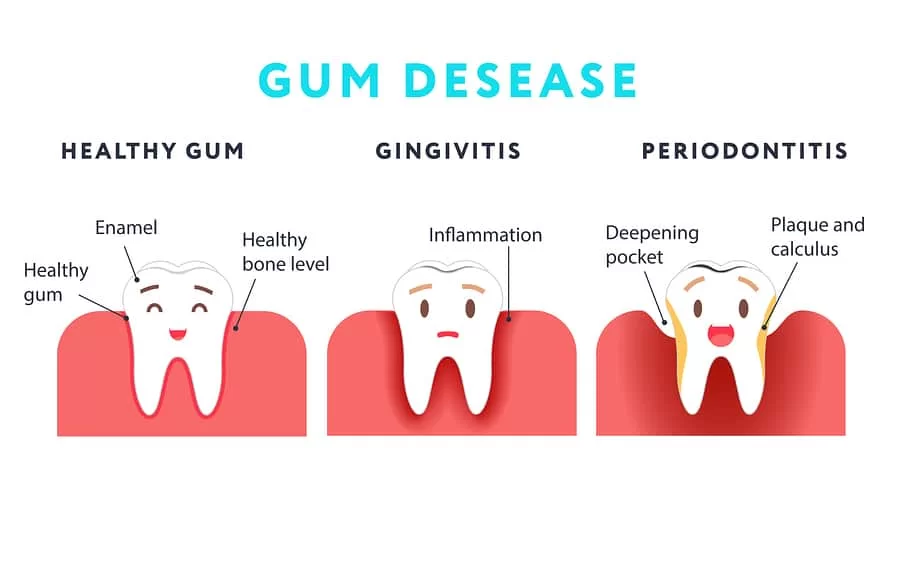
Bleeding Gums Or Gingivitis
Bleeding gums can be a sign of gingivitis, which is inflammation of the gums. Gingivitis commonly develops when plaque, a thin film of bacteria, accumulates around the teeth and along the gumline. If plaque is not removed properly, it can contribute to gum inflammation and, over time, may progress to more serious gum disease such as periodontitis. Advanced gum disease…