Bleeding Gums Or Gingivitis
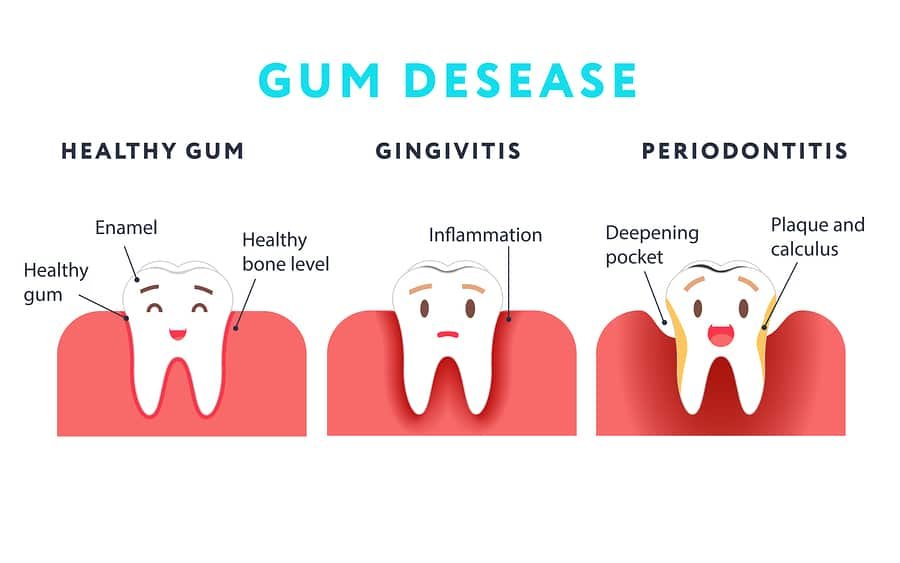
Bleeding gums can be a sign of gingivitis, which is inflammation of the gums. Gingivitis commonly develops when plaque, a thin film of bacteria, accumulates around the teeth and along the gumline.
If plaque is not removed properly, it can contribute to gum inflammation and, over time, may progress to more serious gum disease such as periodontitis. Advanced gum disease can damage the tissues supporting the teeth and may eventually contribute to tooth loss.
Maintaining good oral hygiene and addressing bleeding gums early can help protect your gums and overall oral health.
What Is Gingivitis?
Gingivitis is inflammation of the gums surrounding the teeth.
Plaque can accumulate around the edges of the gums when the teeth and gumline are not cleaned adequately. The bacteria in plaque can trigger an inflammatory response, resulting in red, swollen or bleeding gums.
Food particles can also become trapped around the teeth and gums, contributing to plaque accumulation.
Gingivitis is generally considered an early form of gum disease. Without appropriate management, gum disease can become more advanced and affect the tissues supporting the teeth.
Causes of Gingivitis and Bleeding Gums
The main cause of gingivitis is the accumulation of plaque around the teeth and gumline.
Plaque and Bacteria
Plaque is a sticky film that develops on the surface of teeth. It contains bacteria and can build up when oral hygiene is inadequate.
If plaque is not removed regularly, it can irritate the gums and cause inflammation.
Food Accumulation
Food particles can become trapped between teeth or along the gumline. This can contribute to plaque buildup and irritation of the gums.
Tartar
Plaque that remains on the teeth can harden into tartar (calculus). Tartar can make it more difficult to maintain a clean gumline and may contribute to persistent gum inflammation.
Signs and Symptoms of Gingivitis
Common signs and symptoms may include:
- Red or inflamed gums
- Swollen gums
- Soft or tender gums
- Bleeding while brushing or flossing
- Food getting trapped around the teeth
- Bad breath (halitosis)
- Gum irritation or discomfort
Bleeding gums should not simply be ignored. If bleeding is persistent or accompanied by swelling, pain, loose teeth or other changes in the mouth, a dental evaluation is recommended.
Risk Factors for Gingivitis
Certain conditions and habits may increase the risk of developing gingivitis.
Diabetes and Other Health Conditions
Certain medical conditions, including diabetes, may increase susceptibility to gum problems.
People with conditions that affect the immune system may also be more vulnerable to infections and inflammation.
Medicines
Some medicines can affect saliva production or oral health and may contribute to gum problems in some people.
If you notice changes in your gums after starting a medicine, discuss them with your doctor or dentist rather than stopping the medicine yourself.
Smoking
Smoking can negatively affect oral health and may contribute to gum disease.
High-Sugar Diet
Frequent consumption of sugary foods and sweets can contribute to plaque formation and tooth decay. Limiting sugary foods and maintaining good oral hygiene can support better oral health.
Family History
A family history of gum disease may contribute to an individual’s susceptibility to gum problems.
Precautions and Oral Hygiene Tips
Good oral hygiene is one of the most important ways to help prevent gingivitis.
Brush Your Teeth Twice a Day
Brush your teeth twice daily using an appropriate toothbrush and fluoride toothpaste.
Choose a Suitable Toothbrush
A toothbrush with very hard bristles may irritate the gums and cause small injuries.
A soft-bristled toothbrush is generally more comfortable for the gums.
Avoid Vigorous Brushing
Brushing too aggressively can irritate or injure the gum tissue. Use gentle movements rather than applying excessive pressure.
Clean Between the Teeth
Cleaning between the teeth can help remove plaque and food particles that a toothbrush may not reach.
Maintain Regular Dental Checkups
Regular dental examinations can help identify plaque, tartar and gum problems at an early stage.
If tartar has accumulated, professional dental cleaning may be required because hardened tartar cannot be removed effectively through normal brushing alone.
Limit Frequent Sugary Foods
Reduce frequent consumption of candies, sweets and other foods high in added sugar.
When Should You See a Dentist?
If your gums bleed repeatedly, do not assume that bleeding is simply due to brushing.
A dental examination is particularly important if you have:
- Persistent bleeding
- Significant gum swelling
- Gum pain
- Persistent bad breath
- Receding gums
- Loose teeth
- Pus around the gums
- Difficulty chewing
Early evaluation can help determine whether the problem is simple gingivitis or a more advanced gum condition.
Homeopathic Treatment Approach for Gingivitis
At 247 Homeopathy, Dr. Ruchi considers the individual’s symptoms and overall condition when discussing a homeopathic approach.
Merc sol
- bleeding gums Swollen and redness Painful ragged.
- Gumboils. Speech difficult
Chamomilla
- bursting pain at the root of edges, which ameliorates by hard pressing by teeth
- Irritation with inflammation
- Swollen of the gums
Hypericum
- sharp cutting neurotic pain which extend to neck downward,
- Slight swelling at gum junction.
Calendula
- inflammation of gums,
- Continuous help to reduce the chance of infection, Red swollen gums easily treated withthis medicine.
Iodium
- loses gums bleed easily which brushing. Grandular enlargement
- Tongue thick coated with tarter,
- Offensive odorfrom mouth with lose gums red swollen.
Frequently Asked Questions About Bleeding Gums and Gingivitis
Can bleeding gums happen even if I brush and floss regularly?
Yes. Bleeding can still occur because of gum inflammation, brushing technique, certain medicines or other oral health problems. Persistent bleeding should be checked by a dentist.
Why do my gums bleed when I floss?
Gums may bleed when flossing if they are inflamed or if plaque has built up between the teeth. Gentle, regular cleaning can help, but continued bleeding should be assessed by a dentist.
Can vitamin deficiencies cause bleeding gums?
Certain nutritional deficiencies can contribute to gum bleeding, although they are not the most common cause. If bleeding is persistent or occurs along with other unusual symptoms, medical evaluation may be appropriate.
Why are my gums bleeding and swollen at the same time?
Bleeding and swelling commonly occur when the gums are inflamed, such as with gingivitis. Other dental conditions can also cause these symptoms, so persistent swelling or bleeding should be examined.
Can bleeding gums be a sign of a more serious health problem?
Sometimes. Gum disease is a common cause, but persistent or unexplained bleeding can occasionally be associated with medicines, nutritional problems or other health conditions. A dentist or doctor can help identify the cause.
Is it normal for gums to bleed during pregnancy?
Pregnancy can make the gums more sensitive and prone to inflammation and bleeding because of hormonal changes. Good oral hygiene and regular dental care are important during pregnancy.
Consultation at 247 Homeopathy, Zirakpur
If you are experiencing bleeding gums, swollen gums, gum irritation or other persistent oral symptoms, you can consult Dr. Ruchi at 247 Homeopathy, Zirakpur, Punjab.
During the consultation, Dr. Ruchi can review your symptoms, health history and other relevant factors before discussing an individualized homeopathic approach.
For persistent bleeding gums, patients should also consider a dental examination to identify plaque, tartar, gingivitis, periodontitis or other oral conditions that may require professional dental care.