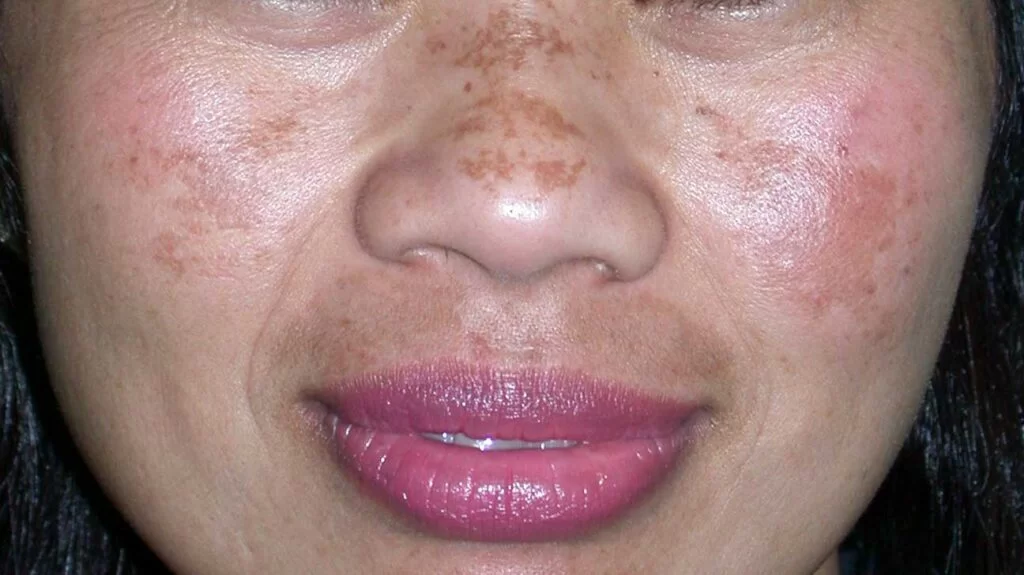
Blemishes
Blemishes is a general term used for marks, spots, discoloration or other visible changes on the skin. They commonly appear on the face but can occur on other parts of the body as well.
Most blemishes are harmless, although they can sometimes cause emotional distress or affect a person’s confidence, particularly when they are visible on the face.
The appearance of a blemish can vary depending on its underlying cause. Acne, age spots, melasma, scars, cold sores and areas of hyperpigmentation are some examples.
If a skin mark is new, changing, painful, bleeding or unusual, it is important to have it assessed by a qualified healthcare professional rather than assuming it is a harmless blemish.
What Are Blemishes?
A blemish is a visible mark or change in the appearance of the skin. It may appear as a spot, dark patch, pimple, scar or area of uneven pigmentation.
Blemishes can have different causes, so treatment depends on what is causing the skin change.
Types of Blemishes
Acne
Acne is a common skin condition that can develop when oil (sebum), dead skin cells and other material contribute to blocked hair follicles.
It may result in:
- Blackheads
- Whiteheads
- Pimples
- Pustules
- Cystic or deeper acne lesions
Age Spots
Age spots, sometimes called liver spots, are small darker areas that commonly develop on parts of the body that receive significant sun exposure.
Melasma
Melasma causes brown or greyish patches, particularly on the face. Hormonal changes can play a role, and melasma is commonly noticed during pregnancy.
Cold Sores
Cold sores are skin lesions associated with herpes simplex virus infection. They commonly occur around the lips or mouth.
Scars
Scars can develop when deeper layers of the skin are damaged and the body repairs the injured tissue.
Acne, injuries and other skin conditions can leave scars.
Hyperpigmentation
Hyperpigmentation refers to areas of skin that become darker because of increased melanin production or changes in pigment distribution.
Causes and Risk Factors of Blemishes
Because blemishes include several different types of skin changes, their causes can vary.
Hormonal Changes
Hormonal changes can influence skin oil production and pigmentation. They may contribute to acne and conditions such as melasma.
Sun Exposure
Repeated exposure to ultraviolet (UV) radiation can contribute to pigmentation changes and age spots.
Clogged Pores
Blocked pores can contribute to acne, including blackheads, whiteheads and pimples.
Viruses
Some blemishes, such as cold sores, are associated with viral infections such as herpes simplex virus.
Poor Skin Hygiene
Inadequate cleansing can allow oil, sweat and other material to accumulate on the skin. However, excessive washing or harsh products can also irritate the skin.
Diet
Diet may influence skin health in some people. A diet high in sugary foods and refined carbohydrates may be associated with acne in some individuals.
Medicines
Certain medicines, including some steroid medicines, can contribute to acne or other skin changes in some people.
Do not stop prescribed medication without speaking to the prescribing doctor.
Environmental Factors
Pollution, dirt and other environmental exposures may irritate the skin or contribute to blocked pores.
Makeup and Skin-Care Products
Some makeup products or harsh chemical-based creams may irritate the skin or contribute to clogged pores in susceptible individuals.
Choose skin-care products appropriate for your skin type and avoid products that repeatedly cause irritation.
Colour and Appearance of Blemishes
Blemishes can have different colours and appearances depending on their underlying cause.
Brown or Grey
Brown or greyish patches can occur with conditions such as melasma or other forms of pigmentation.
Red
Red blemishes may include:
- Pimples
- Pustules
- Irritated skin
- Some allergic or inflammatory reactions
Black
Blackheads can appear as small dark or black raised dots within blocked pores.
The colour of a blemish alone is not enough to determine its cause.
Symptoms and Appearance of Blemishes
Depending on the underlying condition, blemishes may appear as:
- Dark spots
- Brown or grey patches
- Uneven skin tone
- Blackheads
- Whiteheads
- Pimples
- Pustules
- Cystic acne
- Scars
- Areas of discoloration
- Pigmentation associated with hormonal changes
Some blemishes may also be associated with itching, irritation, tenderness or pain depending on their cause.
When Should You Get a Skin Mark Checked?
Although many blemishes are harmless, not every skin mark should automatically be considered a cosmetic blemish.
Consult a qualified healthcare professional if a skin mark:
- Appears suddenly without an obvious reason
- Changes in size, shape or colour
- Bleeds or repeatedly develops a crust
- Becomes painful
- Does not heal
- Changes rapidly
- Looks significantly different from your other skin marks
A proper evaluation can help determine whether the mark is pigmentation, acne, an infection, a scar or another skin condition.
Prevention and Lifestyle Tips
Some healthy skin-care habits may help reduce certain types of blemishes.
Get Adequate Sleep
Adequate sleep supports overall health and can contribute to healthy daily routines.
Exercise Regularly
Regular physical activity supports general health and well-being.
Exercise should not be considered a method of literally “flushing toxins” from the skin.
Eat a Balanced Diet
Choose a varied diet containing vegetables, fruits, whole grains, adequate protein and other nutritious foods.
If certain foods appear to worsen your acne, discuss your diet with an appropriate healthcare professional.
Reduce Excessive UV Exposure
Protect your skin from excessive sunlight and use appropriate sun protection, particularly if you are prone to pigmentation or dark spots.
Cleanse the Skin Gently
Regular gentle cleansing can help remove excess oil, sweat and dirt. Avoid harsh scrubbing, which may irritate the skin.
Stay Hydrated
Drink an appropriate amount of water according to your individual needs.
Manage Stress
Long-term stress can affect overall well-being and may worsen some skin conditions in certain individuals. Adequate rest and healthy stress-management habits can be helpful.
Avoid Picking Pimples
Picking or squeezing acne lesions can increase inflammation and may increase the risk of scarring or pigmentation.
Homeopathic Treatment Approach for Blemishes
At Dr.Chhabra’s clinic, we believe in fine work treatment according to one’s mental and physical health. Our Remedies are well selected by the team of doctors. Many factors contribute to the selection of medicines like stress, depression, hormonal changes, etc.
Improving the efficiency of skin is the foremost thing. Other symptoms like male pattern facial hair growth, acne, obesity, stress, dark spots, and hormonal imbalance are equally taken care of at Dr. Chhabra healthcare.
The most beneficial part of homeopathic treatment is that it cures the patient as a whole.
There is no side effect of homeopathic treatment.
Frequently Asked Questions About Blemishes
What are blemishes?
Blemishes are visible marks, spots, pigmentation changes or other changes in the appearance of the skin. The term can include acne, dark spots, scars and other skin changes.
What causes blemishes on the face?
Blemishes on the face can have many causes, including acne, hormonal changes, sun exposure, clogged pores, pigmentation disorders, infections, medications and skin irritation.
Are blemishes harmful?
Many common blemishes are harmless and are mainly a cosmetic concern. However, a new or changing skin mark should be evaluated if it appears unusual or concerning.
Can hormonal changes cause blemishes?
Yes. Hormonal changes can contribute to acne and pigmentation conditions such as melasma.
Can sun exposure cause dark blemishes?
Repeated UV exposure can contribute to pigmentation changes and age spots. Sun protection can help reduce further UV-related skin damage.
Can poor diet cause blemishes?
Diet is only one possible factor. A balanced diet supports general health, while frequent intake of sugary or refined carbohydrate-rich foods may worsen acne in some individuals.
Can stress make skin problems worse?
Stress can affect overall well-being and may worsen certain skin conditions in some people.
How can I prevent blemishes?
Gentle skin cleansing, sun protection, a balanced diet, adequate sleep, avoiding excessive skin irritation and not picking acne lesions can help support healthier skin.
Should I squeeze pimples?
It is generally better to avoid squeezing or picking pimples because this can increase inflammation and may contribute to scarring or pigmentation.
Can homeopathy treat blemishes?
Homeopathic care may be discussed as an individualized complementary approach based on a person’s symptoms and overall health. It should not be presented as a guaranteed cure, and persistent or unusual skin conditions should receive appropriate medical evaluation.
When should I see a dermatologist or doctor?
Seek professional evaluation for a skin mark that changes rapidly, bleeds, does not heal, becomes painful or looks unusual compared with your other skin marks.
Consultation at 247 Homeopathy, Zirakpur
If you are concerned about blemishes, acne, pigmentation, dark spots or other persistent skin changes, you can consult Dr. Ruchi at 247 Homeopathy, Zirakpur, Punjab.
During the consultation, Dr. Ruchi can review your skin symptoms, health history and possible contributing factors before discussing an individualized homeopathic approach.
Patients may discuss:
- Duration and pattern of the blemishes
- Acne or pimples
- Dark spots or pigmentation
- Hormonal changes
- Stress
- Previous skin treatments
- Skin-care products being used
- Other associated symptoms
If a skin lesion is new, rapidly changing, bleeding, painful or unusual, appropriate medical or dermatological evaluation should be obtained.
Contact 247 Homeopathy, Zirakpur, to schedule a consultation with Dr. Ruchi.
.