Blepharitis
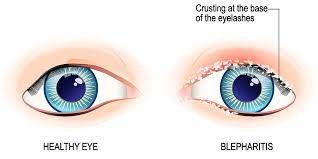
Blepharitis is inflammation of the eyelids, usually affecting the edges of the eyelids around the eyelashes. It may occur when the oil-secreting glands around the eyelids become blocked or irritated.
Blepharitis can cause itching, burning, redness, watering, crusting and a sensation of something being present in the eyes. Some people may also experience blurred vision or sensitivity to light.
Although blepharitis is often manageable, persistent symptoms should not be ignored because prolonged inflammation can affect the eyelids and, in some cases, the surface of the eye.
What Is Blepharitis?
Blepharitis is an inflammatory condition affecting the eyelids. It may involve the outer edge of the eyelid near the eyelashes or the inner side of the eyelid.
The condition can be associated with blockage or dysfunction of the meibomian glands, which are oil-producing glands that help maintain the tear film and protect the surface of the eye.
Blepharitis can occur for different reasons, including bacterial involvement, skin conditions, parasites and irritation from environmental factors.
Types of Blepharitis
Blepharitis is commonly described according to the area of the eyelid affected.
Anterior Blepharitis
Anterior blepharitis affects the outer part of the eyelid, particularly the area around the eyelashes.
Posterior Blepharitis
Posterior blepharitis affects the inner side of the eyelid and is commonly associated with problems involving the meibomian glands.
A person can experience symptoms associated with both types.
Causes and Risk Factors of Blepharitis
Several factors may contribute to blepharitis.
Demodex Mites
An excessive number of Demodex folliculorum mites around the eyelashes may contribute to eyelid inflammation in some people.
Immune System Problems
People with weakened immune systems may be more susceptible to infections and inflammatory problems, including eyelid conditions.
Blocked Meibomian Glands
Blockage or dysfunction of the oil-secreting meibomian glands can cause irritation, redness and a gritty or grainy sensation around the eyelids.
Bacterial Infection
Bacteria, including Staphylococcus, may contribute to inflammation or infection around the eyelid margins.
People who wear contact lenses should follow appropriate lens-cleaning and wearing practices because poor lens hygiene can increase the risk of eye infections.
Environmental Irritants
Exposure to certain environmental factors can irritate the eyes and eyelids. These may include:
- Dust
- Animal dander
- Chemicals
- Other airborne irritants
Seborrheic Dermatitis
People with seborrheic dermatitis may be more likely to develop eyelid inflammation.
Poor Eyelid Hygiene
Inadequate cleaning of the eyelid margins can contribute to the accumulation of debris, oils and other material around the eyelashes.
Signs and Symptoms of Blepharitis
Symptoms can affect one or both eyes and may vary in severity.
Common symptoms include:
- Burning sensation of the eyelids
- Itching around the eyes
- Red or swollen eyelids
- Sensation of sand or grit in the eyes
- Excessive watering
- Eye irritation
- Eyelids sticking together
- Crusting around the eyelashes
- Flaking of the skin around the eyelids
- Blurred vision, particularly when crusting or discharge affects the eye surface
- Sensitivity to light
- Frequent blinking
- Eyelash loss in some cases
Some people may experience symptoms that are worse after waking because of crusting or discharge around the eyelids.
Diagnosis of Blepharitis
Diagnosis is generally based on an examination of the eyes and eyelids.
A healthcare professional may examine:
- Eyelid margins
- Eyelashes
- Eye redness
- Crusting or discharge
- Meibomian gland openings
- The surface of the eye
If a bacterial infection is suspected, an appropriate eye swab or other test may sometimes be considered.
Because several eye conditions can cause similar symptoms, persistent redness, discharge or blurred vision should be properly evaluated.
Possible Complications of Blepharitis
Blepharitis is often manageable, but prolonged or poorly controlled inflammation can cause complications.
Possible problems include:
Chalazion
Blockage of an oil-producing gland can contribute to a chalazion, which appears as a lump in the eyelid.
Stye
A stye is a painful, localized swelling around an eyelash or eyelid gland and may be associated with infection.
Conjunctivitis
Inflammation or infection may occur along with conjunctivitis in some cases.
Dry Eyes
Blepharitis can affect the tear film and may contribute to dry-eye symptoms.
Eyelash Changes
Long-standing inflammation may contribute to eyelash loss or changes in the direction of eyelash growth.
Corneal Problems
In more severe or prolonged cases, inflammation can affect the cornea and may contribute to corneal irritation or damage.
Self-Care and Management of Blepharitis
Good eyelid hygiene is an important part of managing blepharitis.
Clean the Eyelids Gently
Clean the eyelid area regularly and gently. Dr. Ruchi’s original guidance recommends cleaning the eyes with warm water and a soft cotton cloth.
Avoid rubbing the eyes aggressively.
Warm Compresses
A comfortably warm compress may help loosen crusting and support cleaning of the eyelid margins.
Maintain Contact Lens Hygiene
If you wear contact lenses, follow proper cleaning, storage and replacement instructions. Avoid wearing lenses when your eyes are significantly irritated unless advised otherwise by an eye-care professional.
Manage Associated Skin Conditions
If seborrheic dermatitis or another skin condition is contributing to eyelid symptoms, appropriate management of that condition is important.
Eye Drops for Dryness
Artificial tears or other appropriate lubricating eye drops may be recommended for dry-eye symptoms.
Use medicated eye drops only according to appropriate medical or eye-care advice.
When Should You See an Eye Specialist?
Do not rely only on self-care if symptoms are persistent or severe.
Seek professional eye care if you experience:
- Persistent blurred vision
- Significant eye pain
- Severe redness or swelling
- Increasing sensitivity to light
- Persistent discharge
- Changes in vision
- Recurrent eyelid swelling
- Eyelash loss
- Symptoms that do not improve with appropriate eyelid care
Eye symptoms can have many causes, and an accurate diagnosis is important before treatment.
Homeopathic Management of Blepharitis
Apis mellifica : this medicine is given when there is
edema of both eyelids with burning stinging pain in the eyes. Feels relief after cold compression. Burning hot discharge from the eyes. Nasal discharge is burning and hot.
Euphresia : it is well known for eyes. Eyes are red and swollen. Profuse lachrymation . discharge is profuse and causes irritation to the eyes. Itching and burning sensation of the eyes.
Hepar sulphuris calcareum : this medicine is well marked in sore bruised feelings of eyes. Discharge is of yellowish color that is sticky and may stick eyelids together especially in the morning. Discharge can cause burning or irritation to the eyes.
Sulphur : this medicine is given when eyes are red and swollen with burning smarting pain in the eyes. Conjunctiva is red . discharge is profuse and hot that causes pain and smarting pain to the eyes. Symptoms get worse by heat or sunlight .
Frequently Asked Questions About Blepharitis
Can blepharitis cause swollen eyelids in the morning?
Yes. Eyelid inflammation and crusting can make the eyelids appear swollen, particularly after waking. Persistent or worsening swelling should be assessed by an eye-care professional.
Why do I wake up with crusty eyelids from blepharitis?
Blepharitis can cause oils, skin debris and other material to collect along the eyelid margins while you sleep. This may leave the eyelashes stuck together or covered with crusts in the morning.
Can blepharitis cause watery eyes?
Yes. Eyelid inflammation can irritate the eye and disrupt the normal tear film, which may lead to excessive watering. Watery eyes can also have other causes.
Does blepharitis cause eye pain?
Blepharitis more commonly causes irritation, burning or discomfort than significant eye pain. Severe or persistent eye pain should be evaluated because it may indicate another eye problem.
Can blepharitis keep coming back?
Yes. Blepharitis can be a recurring or long-term condition, particularly when associated with underlying eyelid or skin conditions. Regular eyelid care may help manage symptoms.
Can blepharitis cause sensitivity to light?
Yes. Eyelid inflammation and associated eye-surface irritation can sometimes cause se
Consultation at 247 Homeopathy, Zirakpur
If you are experiencing blepharitis symptoms such as eyelid itching, burning, redness, swelling, crusting or excessive watering, you can consult Dr. Ruchi at 247 Homeopathy, Zirakpur, Punjab.
During a consultation, Dr. Ruchi can review your symptoms, health history and individual factors before discussing an individualized homeopathic approach.
Patients can discuss:
- Duration of eyelid symptoms
- Burning or itching
- Eye discharge
- Eyelid swelling
- Crusting
- Dryness or watering
- Contact lens use
- Associated skin conditions
- Previous treatments
For persistent, severe or vision-related symptoms, appropriate evaluation by an eye-care professional is important.


