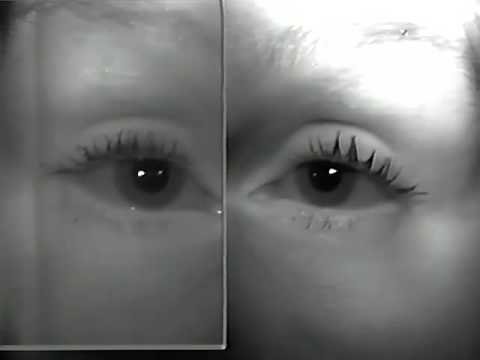
Blepharospasm
Blepharospasm is a condition in which the eyelid muscles contract involuntarily, causing excessive blinking or repeated eyelid spasms. The movements are usually spontaneous and difficult to control.
Some people may initially notice occasional eye twitching or increased blinking. In more persistent cases, the eyelids may close involuntarily and interfere with normal activities or vision.
When blepharospasm occurs along with dystonia affecting the lower part of the face, it may be associated with Meige syndrome.
What Is Blepharospasm?
Blepharospasm is an involuntary movement disorder affecting the muscles responsible for closing the eyelids.
It may involve:
- Repeated or excessive blinking
- Involuntary eyelid twitching
- Spasms of the eyelid muscles
- Difficulty keeping the eyes open during an episode
- Increasing discomfort around the eyes
The severity can vary from occasional twitching to frequent spasms that interfere with vision and daily activities.
Causes and Risk Factors of Blepharospasm
The exact cause of blepharospasm is not always clear. Different factors may contribute to the development or worsening of eyelid spasms.
Genetic or Hereditary Factors
Blepharospasm may occur in some families, suggesting that genetic factors can play a role in certain cases.
Eye Strain and Fatigue
Prolonged visual activity, eye strain and fatigue may aggravate eyelid twitching or spasms in some people.
Bright Light
Exposure to bright light may trigger or worsen symptoms in some individuals.
Stress
Stress may increase the frequency or intensity of involuntary eyelid movements in susceptible individuals.
Associated Neurological Conditions
Certain neurological conditions may be associated with abnormal facial or eyelid movements. The original information provided by Dr. Ruchi mentions conditions such as Bell’s palsy and Parkinson’s disease.
If eyelid spasms develop alongside other neurological symptoms, medical evaluation is important.
Symptoms of Blepharospasm
Blepharospasm may develop gradually.
Common symptoms described in the supplied information include:
- An initial feeling of squinting
- Excessive or involuntary blinking
- Eyelid twitching or spasms
- Heaviness of the eyelids
- Pain or tension around the eyelids
- Difficulty keeping the eyes open
- Interference with vision because of involuntary eye closure
Symptoms may become more noticeable during periods of stress, fatigue or exposure to bright light.
How Can Blepharospasm Affect Vision?
Blepharospasm does not necessarily mean that the eyes themselves have lost their ability to see.
However, repeated or prolonged involuntary eyelid closure can temporarily interfere with vision. This can make activities such as reading, walking, working or driving difficult.
If vision becomes persistently blurred or there is a sudden change in vision, an eye-care professional should evaluate the symptoms.
Diagnosis of Blepharospasm
Diagnosis generally involves an assessment of the eyelid movements and a review of the person’s symptoms and medical history.
A healthcare professional may consider:
- Frequency of eyelid spasms
- Duration of symptoms
- Whether one or both eyes are affected
- Triggers such as bright light or fatigue
- Other facial movements
- Associated neurological symptoms
- Previous eye or neurological conditions
Because eyelid twitching can have several causes, persistent or worsening spasms should be evaluated rather than assumed to be simple eye fatigue.
Precautions and Lifestyle Tips
Certain daily habits may help reduce factors that aggravate eyelid twitching or discomfort.
Get Adequate Rest
Fatigue can aggravate involuntary movements in some people. Maintain regular sleep and rest whenever possible.
Reduce Eye Strain
Take appropriate breaks during prolonged reading, computer work or other visually demanding activities.
Manage Stress
Stress may worsen symptoms in some people. Regular physical activity, relaxation techniques and adequate rest may support general well-being.
Reduce Exposure to Bright Light
If bright light triggers your symptoms, consider using appropriate eye protection or reducing exposure where practical.
Avoid Excessive Eye Rubbing
Repeated rubbing can irritate the eyes and may increase discomfort.
Keep a Symptom Record
If spasms are recurring, noting when they occur and possible triggers such as stress, fatigue or bright light can help during a medical consultation.
When Should You See a Doctor?
Occasional eyelid twitching can occur for many reasons, but persistent or troublesome spasms deserve professional assessment.
Consult a healthcare professional if:
- Eyelid spasms continue or become more frequent
- The eyelids repeatedly close involuntarily
- Spasms interfere with reading, work or daily activities
- Vision is affected
- Spasms spread to other areas of the face
- You develop other unusual facial or neurological movements
- Symptoms are accompanied by sudden vision changes, severe eye pain, weakness or other concerning symptoms
A proper evaluation can help distinguish blepharospasm from other causes of eyelid twitching.
Homeopathic Treatment Approach for Blepharospasm
Agaricus: reading difficult, as type seems move, swim. Diplopia, dim and flickering. Asthenopia from prolonged strain,spasm twitching of lids and eyeballs Inner canthi very red.
Physostigma: night blindness, Contraction of pupils, Twitching of ocular muscles, Spasm of ciliary muscles. Profuse lacrimation.
Euphrasia: the eyes water all the time Acrid lachrymation, Frequent inclination to blink. Glaucoma
Codeinum: involuntary twitching og eyes Trembling and twitching in the muscles, Numbness and prickling.
Frequently Asked Questions About Blepharospasm
Can blepharospasm cause both eyes to close involuntarily?
Yes. Blepharospasm commonly affects both eyelids and can cause repeated or prolonged involuntary closure of the eyes. The severity and frequency of spasms can vary.
Can blepharospasm make it difficult to drive?
Yes. Frequent or forceful eyelid closure can temporarily interfere with vision and make activities such as driving unsafe. Avoid driving if spasms prevent you from seeing clearly.
Can caffeine make blepharospasm worse?
Caffeine may worsen eyelid twitching or spasms in some people, although this is not the same for everyone. Noticing whether symptoms change after caffeine may help identify personal triggers.
Can blepharospasm cause facial twitching?
Blepharospasm primarily affects the muscles around the eyes, but some people may have associated involuntary movements involving other facial muscles. New or spreading facial spasms should be assessed by a healthcare professional.
Does blepharospasm get worse with age?
Blepharospasm can become more persistent or severe over time in some people, but its course varies. Changes in frequency or severity should be discussed with a healthcare professional.
Can dry eyes make blepharospasm worse?
Dry-eye symptoms and eyelid irritation may aggravate involuntary blinking or spasms in some people. Treating associated eye-surface problems may be considered as part of an overall evaluation.
Consultation at 247 Homeopathy, Zirakpur
If you are experiencing persistent eyelid twitching, excessive blinking or involuntary eyelid spasms, you can consult Dr. Ruchi at 247 Homeopathy, Zirakpur, Punjab.
During a consultation, Dr. Ruchi can review your symptoms, their frequency, possible triggers and relevant health history before discussing an individualized homeopathic approach.
You can discuss:
- How long the eyelid spasms have been occurring
- Frequency and duration of episodes
- Stress or fatigue associated with symptoms
- Sensitivity to bright light
- Eye strain
- Vision-related symptoms
- Other facial or neurological movements
- Previous treatments or medical conditions
If the spasms are persistent or interfere with vision, appropriate evaluation by an eye-care or neurological professional is recommended.


