Rheumatoid Arthritis
Rheumatoid arthritis (RA) is a long-term autoimmune condition that mainly affects the joints. It can cause pain, swelling, warmth and stiffness, particularly in the hands, wrists, feet and knees. Unlike osteoarthritis, rheumatoid arthritis can affect the whole body and may involve organs outside the joints.
At 247 Homeopathy in Zirakpur, Dr. Ruchi provides individualized consultations for people seeking homeopathic care for rheumatoid arthritis alongside appropriate medical evaluation and treatment.
What Is Rheumatoid Arthritis?
Rheumatoid arthritis occurs when the immune system mistakenly attacks healthy tissues, particularly the lining of the joints (synovium). This causes inflammation that can gradually damage cartilage, bone and other joint structures.
RA commonly affects joints on both sides of the body, such as both hands or both wrists. Morning stiffness and stiffness after periods of rest are also common features.
Because rheumatoid arthritis is a systemic autoimmune disease, it can sometimes affect other parts of the body, including the skin, eyes, lungs, heart and blood vessels.

Causes and Risk Factors of Rheumatoid Arthritis
The exact cause of rheumatoid arthritis is not completely understood. A combination of genetic, immune and environmental factors may contribute to its development.
Common risk factors include:
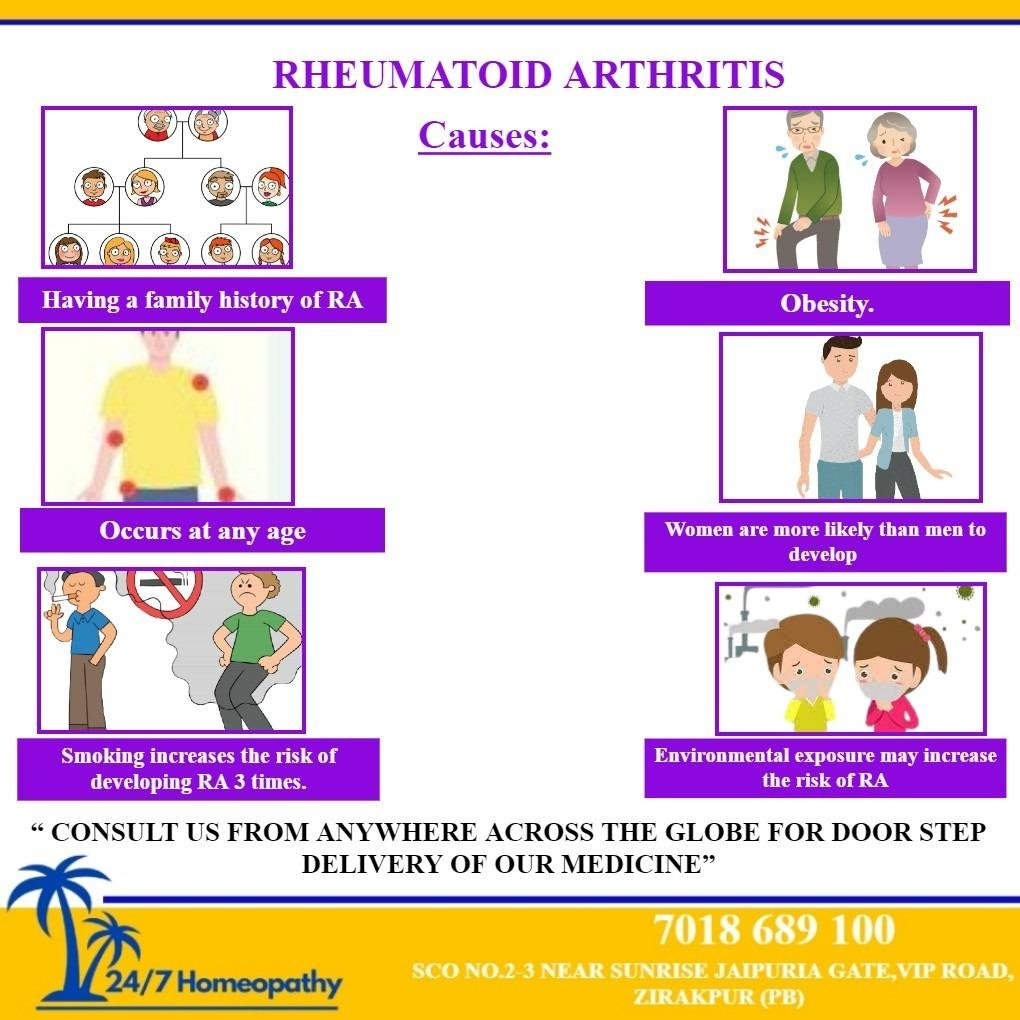
- Family history: Having a close relative with rheumatoid arthritis may increase the risk.
- Sex: Rheumatoid arthritis is more common in women.
- Smoking: Tobacco smoking significantly increases the risk of developing RA and can worsen the disease.
- Age: RA can occur at any age, although it commonly begins during adulthood.
- Obesity: Excess body weight may increase the risk and severity of inflammation.
- Environmental exposure: Certain exposures, including silica, may contribute to risk in susceptible individuals.
Having a risk factor does not necessarily mean that a person will develop rheumatoid arthritis.
Symptoms of Rheumatoid Arthritis
Symptoms can vary from person to person and may develop gradually.
Common symptoms include:
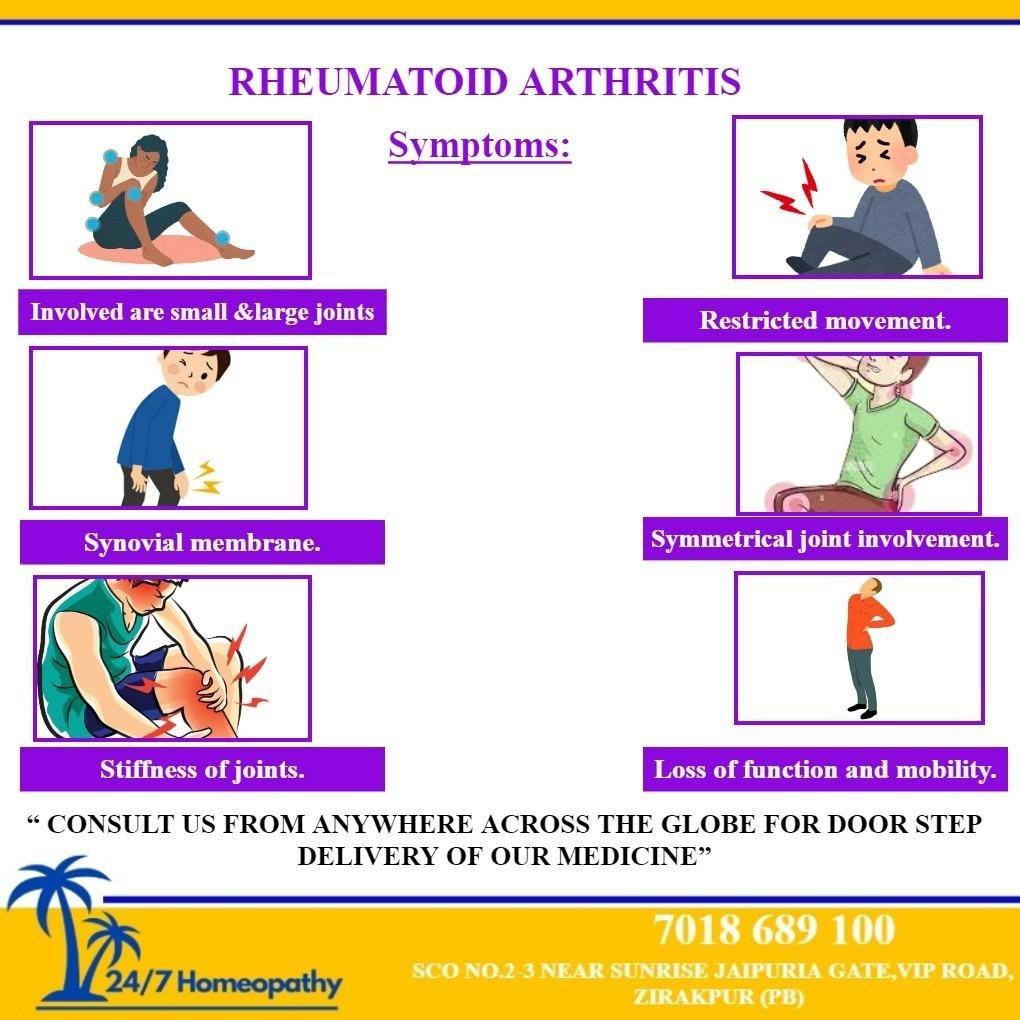
- Painful and swollen joints
- Warmth and tenderness around the joints
- Morning stiffness, often lasting for an extended period
- Stiffness after sitting or resting
- Symmetrical joint involvement, such as both hands or both knees
- Reduced joint movement
- Difficulty performing everyday activities
- Weakness and fatigue
- Low-grade fever
- Loss of appetite
- Reduced mobility
The small joints of the hands and feet are frequently affected, although the shoulders, knees, elbows and other joints can also become involved.
When Should You See a Doctor?
Persistent joint swelling, prolonged morning stiffness or pain affecting several joints should not be ignored. Early medical assessment can help identify rheumatoid arthritis and reduce the risk of progressive joint damage.
Diagnosis of Rheumatoid Arthritis
There is no single test that can diagnose rheumatoid arthritis in every person. Doctors usually combine the patient’s symptoms, physical examination and laboratory and imaging results.
Investigations may include:
- Rheumatoid factor (RF) blood test
- Anti-citrullinated protein antibody (ACPA/anti-CCP) test
- C-reactive protein (CRP)
- Other blood tests, including a complete blood count when appropriate
- X-rays of affected joints
- MRI or ultrasound to detect inflammation and joint changes
- CT scans in selected situations
Early rheumatoid arthritis may not show obvious changes on an X-ray, which is why clinical assessment and other investigations can be important.
Lifestyle and Supportive Care
Lifestyle measures can support joint health and overall well-being:
- Avoid smoking and tobacco products.
- Maintain a healthy body weight.
- Stay physically active according to your ability.
- Include appropriate stretching, strengthening exercises or yoga.
- Take adequate rest during periods of increased symptoms.
- Maintain adequate calcium and vitamin D intake.
- Heat may help relax stiff muscles and joints, while cold packs may temporarily reduce pain and swelling.
- Practice stress-management techniques such as meditation or relaxation exercises.
- Follow the treatment plan recommended by your rheumatologist or other healthcare professional.

Rheumatoid Arthritis Homeopathic Treatment in Zirakpur
At 247 Homeopathy, Zirakpur, homeopathic care is individualized according to the patient’s symptoms, joint involvement, general health and other relevant factors.
The selection of a homeopathic medicine traditionally considers factors such as the nature of joint pain, stiffness, swelling, aggravating or relieving factors and the individual’s overall symptom pattern.
Rather than using one medicine for every patient, Dr. Ruchi can assess the individual case and discuss an appropriate care plan.
FAQs About Rheumatoid Arthritis
Can rheumatoid arthritis cause fatigue?
Yes. Rheumatoid arthritis can cause persistent tiredness or fatigue, particularly when inflammation is active. Fatigue may also have other causes and should be discussed with a healthcare professional if it is ongoing.
Can rheumatoid arthritis cause joint stiffness after resting?
Yes. Joints affected by rheumatoid arthritis may become stiff after periods of inactivity, including after sitting or resting. Persistent stiffness, especially with swelling, should be evaluated.
Can rheumatoid arthritis cause swollen fingers?
Yes. Rheumatoid arthritis can cause pain, swelling, and stiffness in the small joints of the fingers and hands. Persistent or recurring swelling should be assessed by a healthcare professional.
Can rheumatoid arthritis affect the wrists?
Yes. The wrists are commonly affected by rheumatoid arthritis and may become painful, swollen, stiff, or difficult to move.
Can rheumatoid arthritis cause weakness?
Yes. Pain, inflammation, fatigue, and reduced joint function associated with rheumatoid arthritis can contribute to weakness or difficulty performing everyday activities.
Can rheumatoid arthritis start suddenly?
Rheumatoid arthritis can develop with symptoms that appear over a relatively short period, although the pattern varies between individuals. New persistent joint swelling, pain, or stiffness should be medically evaluated.
Consult 247 Homeopathy in Zirakpur
If you are experiencing persistent joint pain, swelling or morning stiffness, a proper medical assessment is important before starting any long-term treatment.
247 Homeopathy, Zirakpur, Punjab, provides individualized homeopathic consultations with Dr. Ruchi. Patients can discuss their symptoms and treatment history during an in-clinic or online consultation and understand whether supportive homeopathic care is appropriate for their situation.
Book a consultation with Dr. Ruchi at 247 Homeopathy, Zirakpur, to discuss your rheumatoid arthritis symptoms and individualized care options.


