Cervical Spondylitis
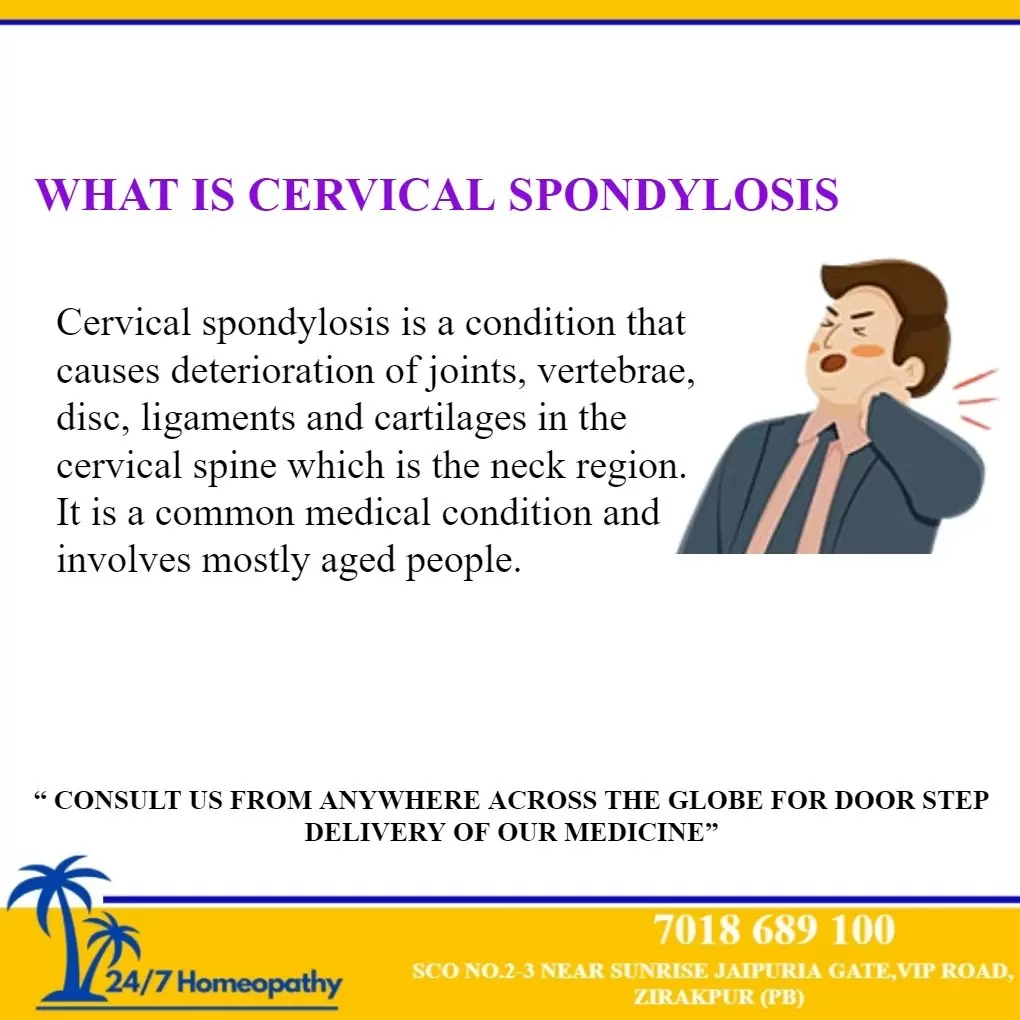
Cervical spondylosis is a common age-related condition affecting the bones, discs, joints and ligaments of the neck, also called the cervical spine. It is sometimes referred to as cervical osteoarthritis or arthritis of the neck.
Many people develop changes in the cervical spine as they get older without having significant symptoms. However, degeneration of the discs and joints can sometimes cause neck pain and stiffness. If nearby nerves are compressed, symptoms such as tingling, numbness or weakness may develop in the arms and hands.
The condition is more common with increasing age, but previous neck injuries, certain occupations and other factors can also contribute to its development.
What Is Cervical Spondylosis?
Cervical spondylosis occurs when the structures of the cervical spine gradually undergo wear and tear.
With age:
- The discs between the vertebrae can lose water and become thinner.
- The joints of the neck may become affected by degenerative changes.
- The ligaments can become thicker or less flexible.
- Bony growths called bone spurs (osteophytes) may develop.
- A bulging or herniated disc may sometimes put pressure on a nerve or the spinal cord.
These changes can lead to pain, stiffness and reduced neck movement. When a nerve is affected, pain or altered sensation may travel from the neck into the shoulder, arm or hand.
Cervical Spondylosis vs. Cervical Spondylitis
The terms cervical spondylosis and cervical spondylitis are often used interchangeably by patients. However, cervical spondylosis more specifically describes age-related degenerative changes in the cervical spine.
Causes and Risk Factors
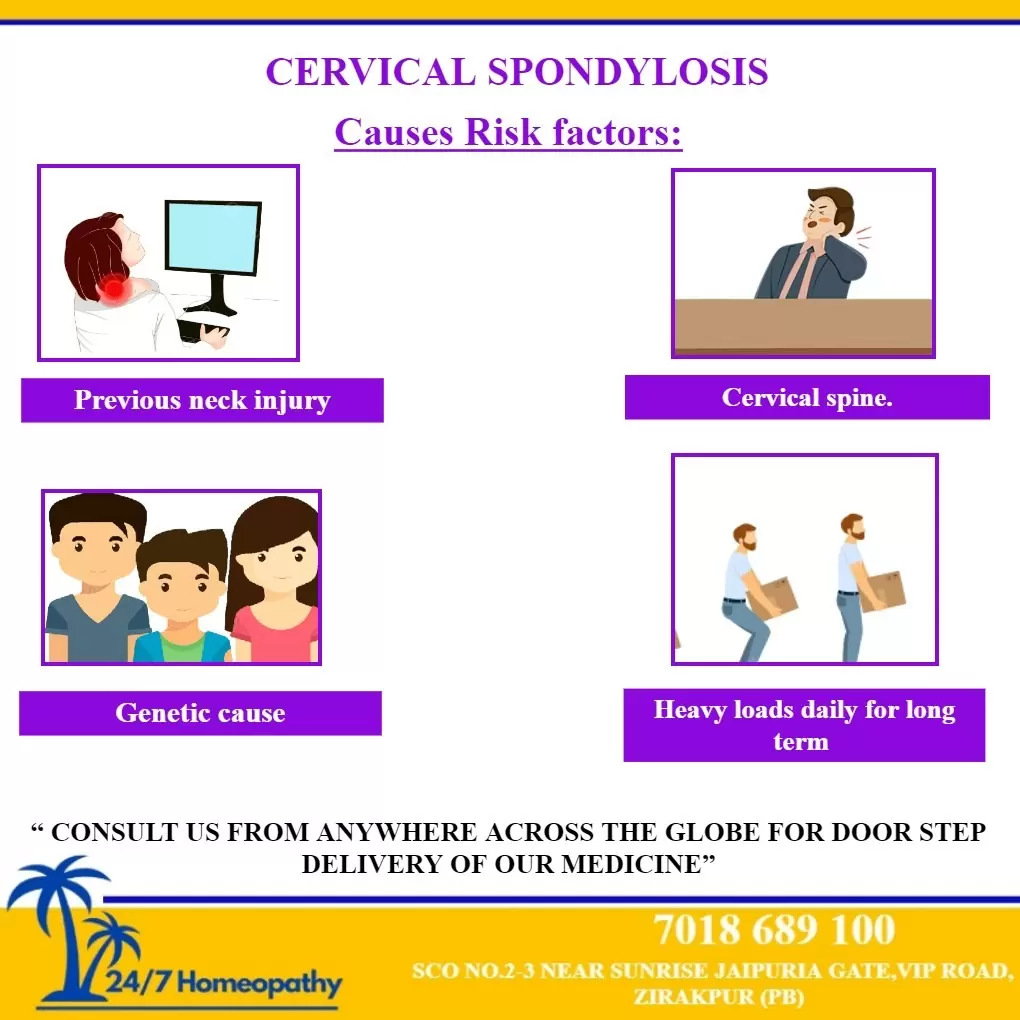
Cervical spondylosis is primarily associated with the natural aging and wear-and-tear process of the cervical spine.
Factors that may increase the risk include:
- Age: Degenerative changes become more common with advancing age.
- Previous neck injury: An old injury can contribute to later spinal changes.
- Repetitive physical work: Regular heavy lifting or activities that place prolonged stress on the neck may contribute.
- Genetic factors: Some people may be more predisposed to spinal degeneration.
- Smoking: Smoking can negatively affect spinal and disc health.
Symptoms of Cervical Spondylosis
Some people have cervical spine changes without experiencing symptoms. When symptoms occur, they can vary depending on which structures are affected.
Common symptoms include:
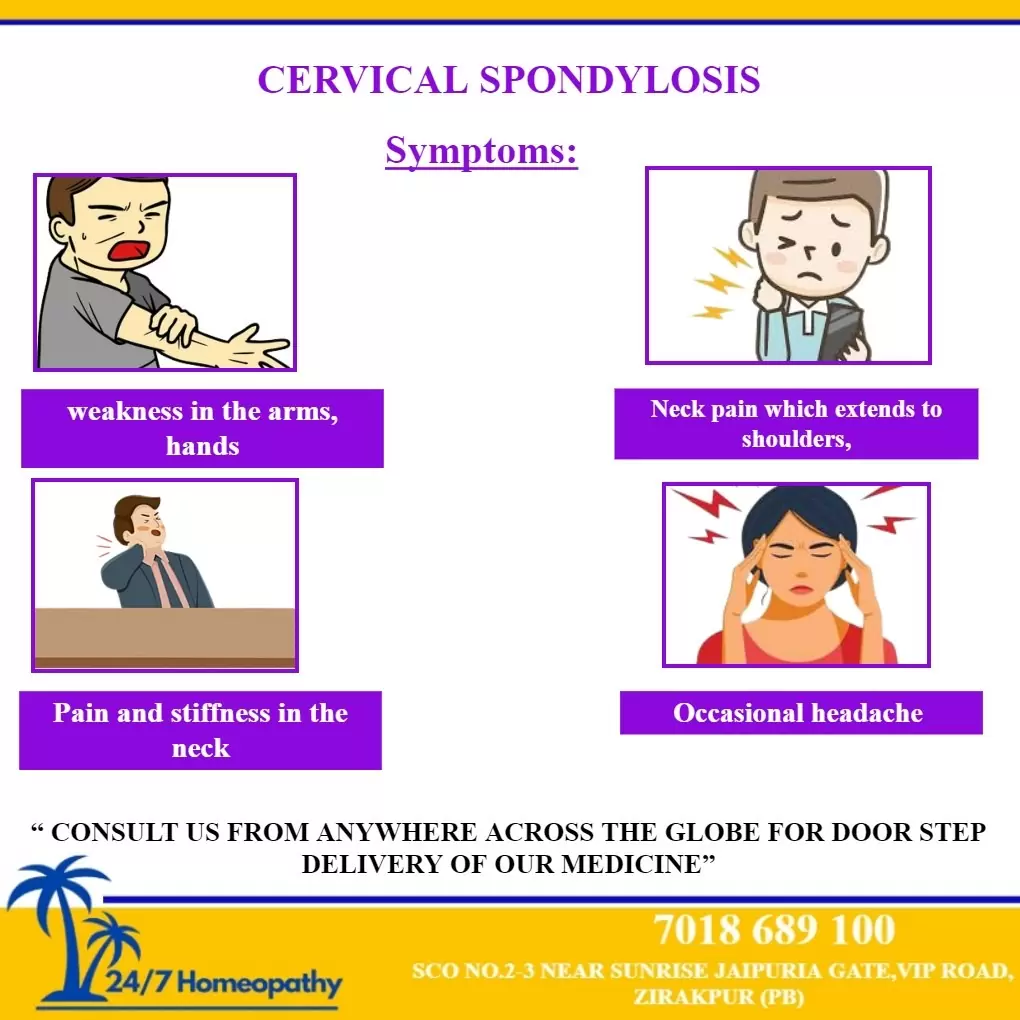
- Neck pain
- Neck stiffness
- Pain extending toward the shoulder, arm or hand
- Tingling or pins-and-needles sensations
- Numbness in the arms or hands
- Weakness in the arms or hands
- Reduced range of neck movement
- Occasional headaches
- Difficulty with balance or walking in more advanced cases
How Nerve Compression Can Cause Symptoms
When a cervical nerve root becomes irritated or compressed, symptoms may travel from the neck into the shoulder, arm or hand.
This can cause:
- Tingling
- Numbness
- Burning or shooting pain
- Weakness
- Altered sensation
In some cases, pressure on the spinal cord can cause more significant neurological symptoms.
Changes That May Occur in Cervical Spondylosis
1. Disc degeneration
The discs act as cushions between the vertebrae. With age, they may lose water and become thinner, reducing their ability to absorb stress.
2. Disc bulging or herniation
A weakened disc may bulge or herniate and potentially irritate nearby nerve roots or the spinal cord.
3. Bone spurs
As joints and discs degenerate, the body may form additional bone around the affected areas. These growths, called osteophytes or bone spurs, can sometimes contribute to nerve compression.
4. Ligament changes
The ligaments supporting the cervical spine can become thicker or less flexible over time, which may contribute to stiffness and, in some cases, narrowing around the spinal cord or nerves.
Diagnosis of Cervical Spondylosis
A healthcare professional may assess the symptoms, medical history, neck movement, muscle strength, reflexes and sensation.
Depending on the symptoms, imaging may include:
- X-ray: Can show changes such as reduced disc space and bone spurs.
- MRI: Provides detailed images of discs, nerves and the spinal cord and may help identify nerve or spinal cord compression.
- CT scan: May provide detailed information about the bones and spinal structures.
Not everyone with cervical spondylosis requires extensive imaging. The appropriate investigation depends on the person’s symptoms and clinical examination.
When Should You Seek Medical Attention?
Certain symptoms should not be ignored, particularly if they are new or worsening.
Seek prompt medical assessment if you experience:
- Increasing weakness in the arms or legs
- Difficulty walking or maintaining balance
- Loss of coordination
- New loss of bladder or bowel control
- Severe or rapidly worsening pain
- Numbness involving a large part of the body
These symptoms can indicate significant nerve or spinal cord involvement and require medical evaluation.
Lifestyle and Precautionary Measures
Cervical spondylosis is associated with structural changes that commonly develop with age, so it cannot always be prevented. However, maintaining good spinal health may help reduce strain on the neck.
Helpful measures include:
- Maintain good posture while sitting and working.
- Avoid prolonged positions that keep the neck bent forward.
- Take regular breaks during computer or desk work.
- Use an ergonomically appropriate workstation.
- Stay physically active according to your ability.
- Follow appropriate neck and strengthening exercises recommended by a qualified professional.
- Avoid smoking.
- Avoid repeatedly carrying very heavy loads on the head or shoulders.
- Maintain a healthy body weight.
- Get adequate sleep and allow sufficient recovery after physical activity.
Homeopathic Treatment Approach for Cervical Spondylosis
At 247 Homeopathy, Dr. Ruchi’s homeopathic approach is individualized according to the patient’s symptoms, pain pattern, associated complaints and overall health.
The remedies listed below are part of the doctor’s existing clinical content. They should not be considered a standard treatment or self-prescription, and a qualified practitioner should determine whether a particular remedy is appropriate.
Kalmia Latifolia
In the doctor’s homeopathic approach, Kalmia latifolia is considered when cervical pain radiates from the neck down the arm.
The symptom pattern described includes:
- Pain extending from the neck into the arm
- Weakness in the limbs
- Numbness
- Pricking or tingling sensations
- A feeling of coldness in the limbs
- Tingling and numbness, particularly involving the left arm
Sanguinaria
Sanguinaria is considered in the doctor’s symptom-based approach when cervical pain is associated particularly with the shoulder and arm.
The described symptom pattern includes:
- Pain around the nape of the neck
- Pain involving the right shoulder and arm
- Pain extending toward the hip region
- Pain that becomes worse at night
- Pain aggravated by raising the arm
Causticum
Causticum is included when symptoms involve weakness and altered sensation in the hands and arms.
The doctor’s described indications include:
- Dull or tearing pain in the hands and arms
- Heaviness
- Weakness
- Numbness
- Reduced sensation in the hands
- Weakness of the arms and hands
- Stiff or numb fingertips
- Involuntary shaking or trembling of the handsSymptoms that may feel better from warmth.
Magnesium Phosphoricum
Magnesium phosphoricum is included in the doctor’s approach when cervical symptoms are accompanied by weakness and altered sensation in the hands.
The described symptoms include:
Frequently Asked Questions About Cervical Spondylosis
Can cervical spondylosis cause headaches?
Yes. Cervical spondylosis can sometimes contribute to headaches that originate from problems in the neck. However, headaches have many possible causes, so persistent or severe headaches should be assessed.
Can cervical spondylosis cause dizziness?
Some people with neck problems report dizziness, but dizziness is not specific to cervical spondylosis and can have many other causes. New or persistent dizziness should be evaluated rather than assumed to be from the neck.
Can cervical spondylosis cause muscle weakness in the arms?
Yes. If cervical nerve roots are compressed, weakness may develop in an arm or hand. New or worsening weakness requires medical assessment.
Can cervical spondylosis cause muscle stiffness?
Yes. Degenerative changes in the cervical spine can be associated with neck stiffness and reduced range of movement, particularly after prolonged activity or certain neck positions.
Can cervical spondylosis cause problems with bladder or bowel control?
Severe spinal cord compression can sometimes affect bladder or bowel function. New loss of bladder or bowel control, especially when accompanied by weakness or difficulty walking, requires urgent medical evaluation.
When should cervical spondylosis symptoms be treated as an emergency?
Seek urgent medical attention for sudden or worsening weakness, significant difficulty walking or maintaining balance, new loss of bladder or bowel control, or rapidly developing numbness affecting multiple areas.
Consult 247 Homeopathy in Zirakpur
If you are experiencing persistent neck pain, stiffness, tingling, numbness or pain extending into the arms, a proper assessment can help determine the likely cause of your symptoms.
247 Homeopathy, Zirakpur, Punjab, led by Dr. Ruchi, provides individualized homeopathic consultations based on the patient’s symptoms and overall health.
Consultation options include in-person and online consultations, allowing patients to discuss their concerns even when they are unable to visit the clinic.
If you are considering homeopathy for cervical spondylosis, discuss your diagnosis and current treatment with Dr. Ruchi so that the approach can be planned appropriately and without delaying necessary medical care.


