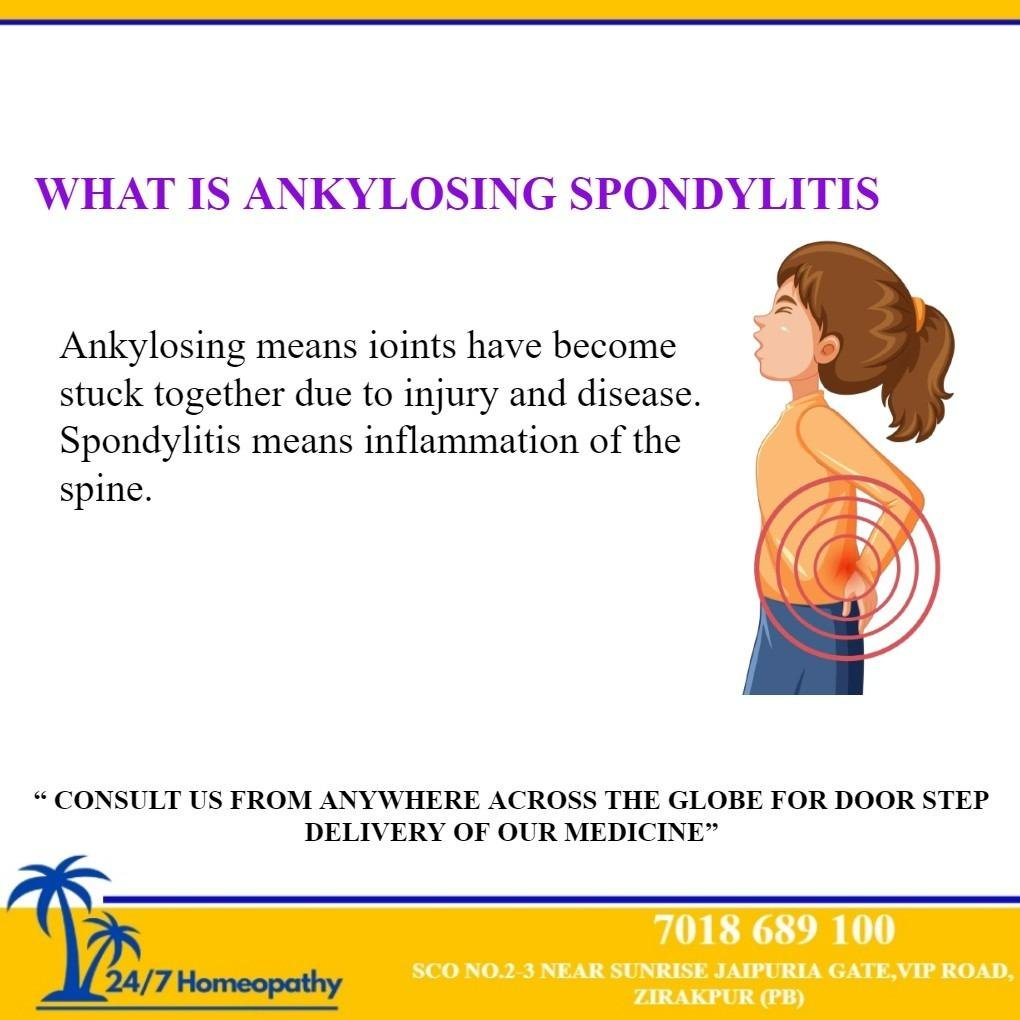
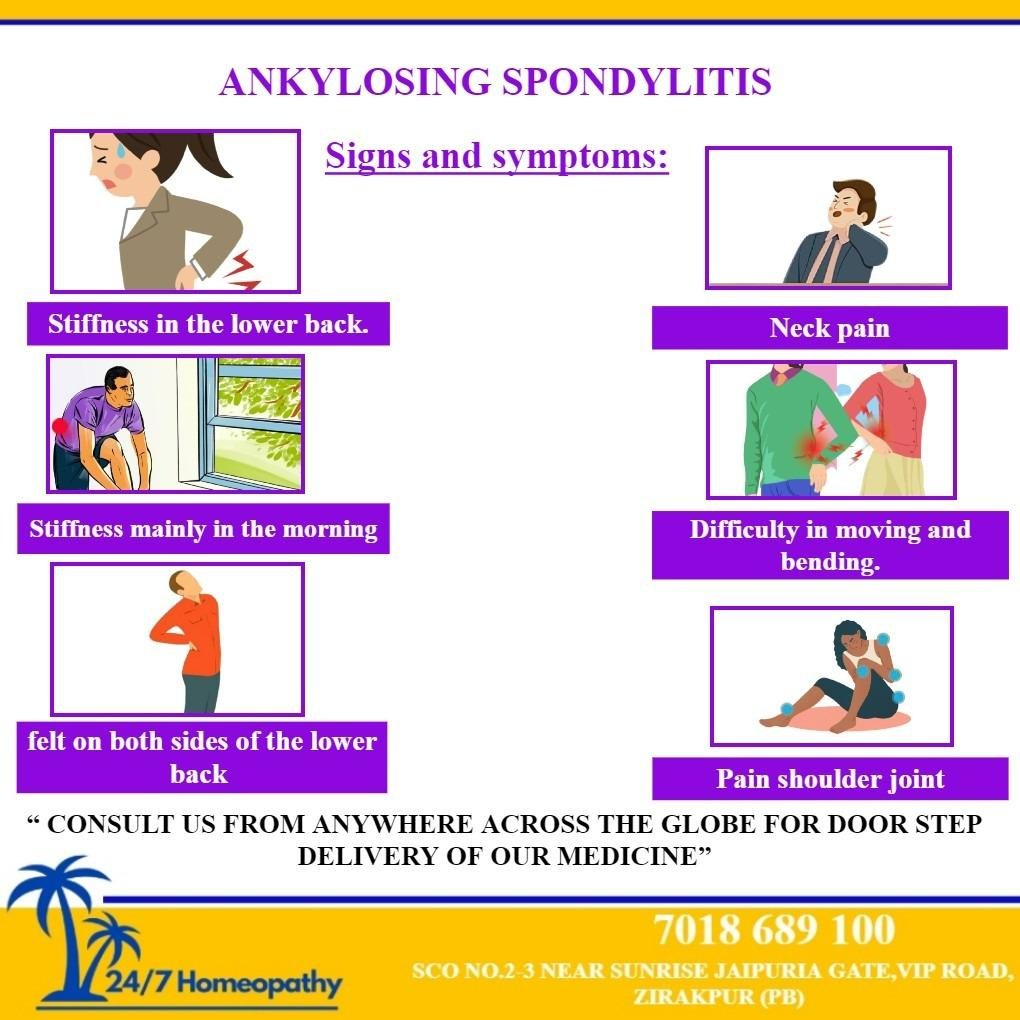
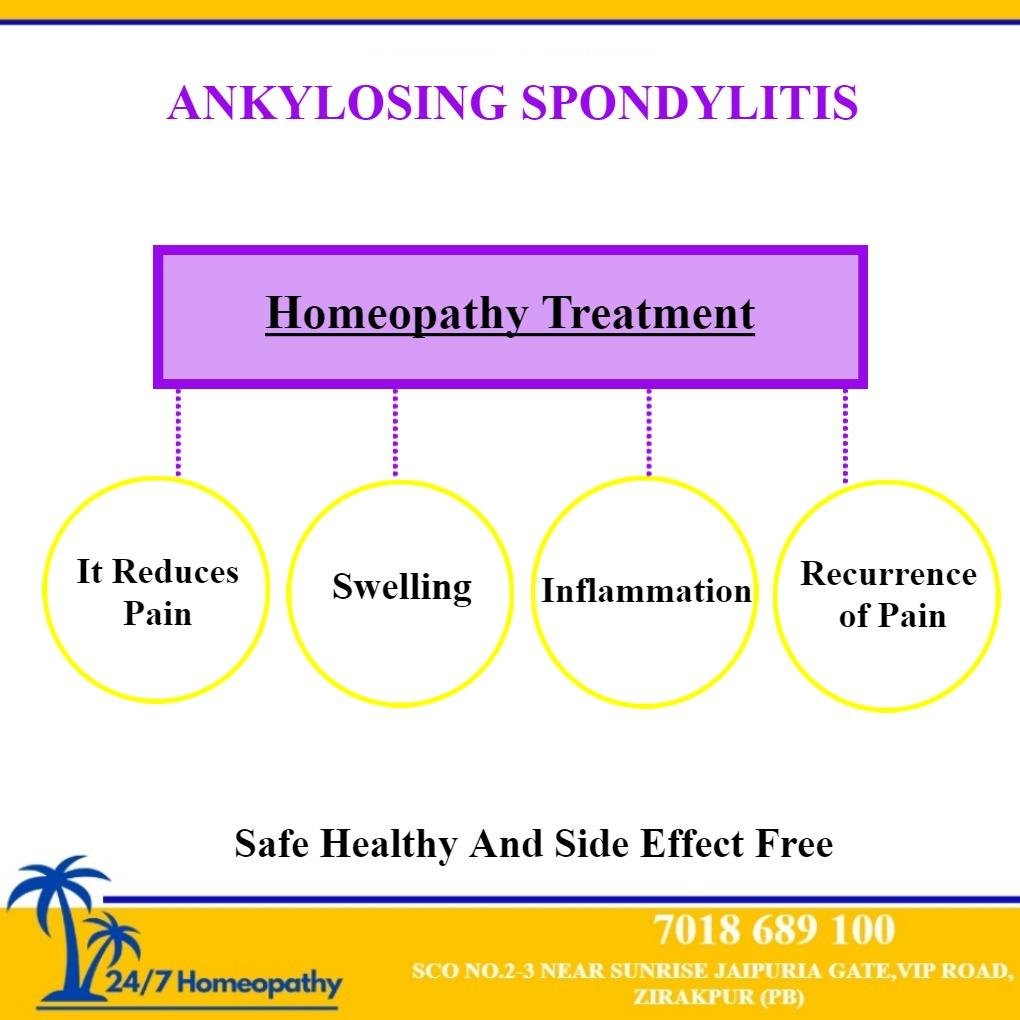
Ankylosing spondylitis
Atypical Teratoid Rhabdoid Tumor (ATRT) is a rare and aggressive tumor of the central nervous system (CNS) that primarily affects infants and young children, although it can occasionally occur in adults. The tumor usually develops in the brain but may also occur in the spinal cord. Because ATRT grows rapidly and can spread through the cerebrospinal fluid (CSF), early diagnosis and prompt treatment are essential.
Treatment generally involves a combination of surgery, chemotherapy, radiation therapy (in selected cases), and supportive care. Some patients also choose homeopathy as a complementary approach to help manage individual symptoms and improve overall well-being alongside conventional medical treatment.
At 247 Homeopathy, Dr. Ruchi offers individualized homeopathic consultations designed to complement standard medical care based on each patient’s symptoms, medical history, and overall health.
What is Atypical Teratoid Rhabdoid Tumor (ATRT)?
ATRT is a rare, high-grade tumor of the brain and spinal cord. It belongs to a group of embryonal tumors and most commonly occurs in children younger than 3 years of age, although older children and adults can also be affected.
The tumor may arise in different parts of the brain, including the cerebellum, brainstem, or cerebral hemispheres, and can spread through the cerebrospinal fluid to other areas of the brain and spinal cord.
ATRT is different from malignant rhabdoid tumors that develop in the kidneys or other soft tissues, although they share similar genetic abnormalities.
Causes and Risk Factors
Most ATRTs develop because of changes in the SMARCB1 (INI1) gene, which normally helps regulate cell growth. Less commonly, changes in the SMARCA4 gene may also be involved.
Risk factors include:
- Genetic mutation in the SMARCB1 (INI1) gene
- Rare inherited genetic predisposition syndromes
- Young age, especially under 3 years
- Family history of rhabdoid tumor predisposition syndrome (uncommon)
Approximately 90% of ATRT cases occur sporadically, meaning they are not inherited.

Symptoms of ATRT
Symptoms depend on the location and size of the tumor and whether it has caused increased pressure within the skull.
Common symptoms include:
- Persistent headaches (often worse in the morning)
- Nausea and vomiting, especially on waking
- Drowsiness or excessive sleepiness
- Fatigue and weakness
- Poor balance and coordination
- Difficulty walking
- Irritability in young children
- Enlarged head size in infants due to hydrocephalus
- Seizures
- Vision changes
- Behavioral changes
Because these symptoms may develop rapidly, urgent medical evaluation is important.
Diagnosis
A thorough evaluation is required to confirm ATRT and determine its extent.
Medical and Neurological Examination
The doctor evaluates:
- Muscle strength
- Balance and coordination
- Reflexes
- Vision
- Mental status
- Cranial nerve function
Imaging Tests
Investigations may include:
- MRI scan (preferred imaging test)
- CT scan
Laboratory and Additional Tests
- Blood tests
- Lumbar puncture to examine cerebrospinal fluid (when appropriate)
- Biopsy for microscopic and molecular confirmation
- Genetic testing of tumor tissue for SMARCB1 (INI1) or SMARCA4 alterations
A biopsy is essential for confirming the diagnosis.
Precautions and Lifestyle Tips
There is no known way to prevent ATRT, but healthy supportive care is important during treatment and recovery.
Helpful recommendations include:
- Follow the treatment plan advised by your neurosurgeon and oncologist.
- Attend all scheduled follow-up appointments.
- Maintain adequate nutrition and hydration.
- Encourage gentle physical activity when medically appropriate.
- Ensure adequate rest.
- Avoid tobacco smoke exposure.
- Practice good hygiene to reduce infection risk.
- Seek prompt medical attention for new neurological symptoms.
- Provide emotional support for both the child and caregivers.
Note: There is no scientific evidence that “detoxification” prevents or treats ATRT.
Homeopathic Treatment Approach
Cuprum Metallicum
According to classical homeopathic literature, Cuprum Metallicum may be considered in individuals with symptom patterns such as:
- Muscle twitching or spasms
- Convulsive tendencies
- Severe headaches
- Nausea and vomiting
- General weakness
- Limb cramps
Its selection depends on the individual’s overall symptom picture.
Kali Phosphoricum
Kali Phosphoricum may be considered when symptoms include:
- Mental fatigue
- Poor memory
- Lethargy
- General weakness
- Occipital headaches
- Vertigo
- Reduced energy levels
It is prescribed only after an individualized homeopathic evaluation.
Calcarea Carbonica
Calcarea Carbonica is traditionally described for patients with symptom patterns including:
- Muscle weakness
- Fatigue
- Poor concentration
- Vertigo
- Headaches
- Profuse perspiration
- Hearing or vision complaints
Medicine selection is individualized and based on the patient’s complete symptom profile.
Frequently Asked Questions (FAQs)
Can ankylosing spondylitis cause pain in the hips or buttocks?
Yes. Inflammation can affect the joints between the spine and pelvis and may cause pain in the buttocks or hips. The pain may shift from one side to the other in some people.
Can ankylosing spondylitis cause fatigue?
Yes. Ongoing inflammation can contribute to fatigue and reduced energy. Persistent or severe fatigue should also be evaluated for other possible causes.
Can ankylosing spondylitis cause chest pain or difficulty taking a deep breath?
Inflammation involving the joints between the ribs and spine can sometimes cause chest-wall stiffness or discomfort and make deep breathing uncomfortable. New or significant chest pain or breathing difficulty should be assessed promptly.
Can ankylosing spondylitis cause eye redness and pain?
Yes. Ankylosing spondylitis can be associated with uveitis, which may cause a painful red eye, light sensitivity or blurred vision. These symptoms require prompt eye evaluation.
Can ankylosing spondylitis get worse over time?
The course varies between individuals. Ongoing inflammation can lead to increasing stiffness and structural changes in the spine in some people, w
Consult Dr. Ruchi at 247 Homeopathy, Zirakpur
If you are experiencing persistent back pain, morning stiffness, or have been diagnosed with ankylosing spondylitis, early evaluation and ongoing care are essential. homeopathy treatment with 24/7 Homeopathy At 247 Homeopathy, Dr. Ruchi provides personalized homeopathic consultations that complement conventional treatment. Every treatment plan is tailored to your symptoms, medical history, lifestyle, and overall health, with the goal of supporting your well-being while encouraging appropriate care from a rheumatologist.
Whether you are in Zirakpur, Chandigarh, Panchkula, Mohali, or another location, consultations are available both in-person and online.
Book your consultation today to receive individualized guidance and supportive care for ankylosing spondylitis.


