Anal Cancer
Anal cancer is a relatively uncommon type of cancer that develops in the tissues of the anal canal, the short passage at the end of the rectum through which stool leaves the body. Although it is less common than colorectal cancer, early detection significantly improves treatment outcomes because many cases are diagnosed before the cancer spreads.
Persistent anal pain, bleeding, itching, or a lump near the anus should never be ignored. These symptoms may be caused by hemorrhoids or other non-cancerous conditions, but they also require medical evaluation to rule out anal cancer.
At 247 Homeopathy, Dr. Ruchi provides individualized homeopathic consultations to support patients alongside conventional medical care based on their overall health and symptom profile.
What is Anal Cancer?
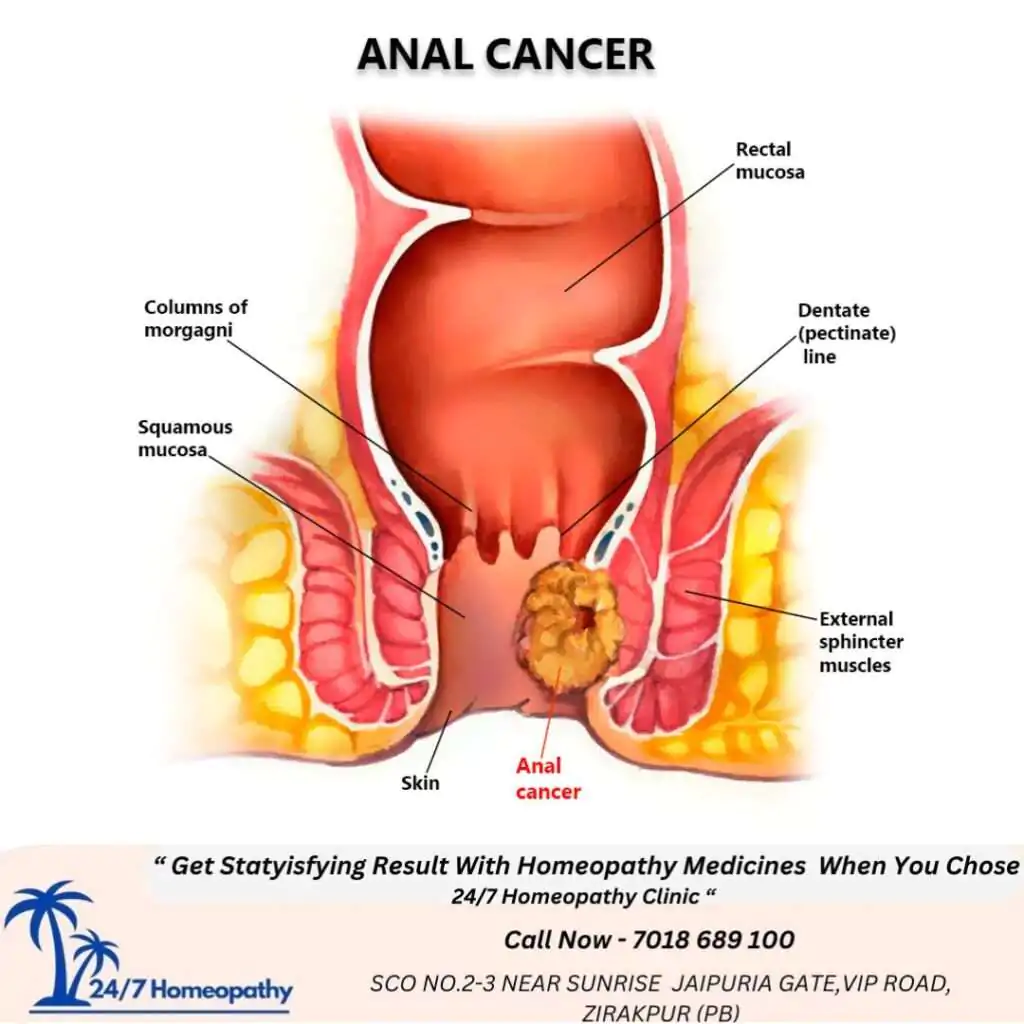
Anal cancer occurs when abnormal cells in the lining of the anal canal begin to grow uncontrollably. Over time, these abnormal cells can form a tumor and may spread to nearby lymph nodes or other parts of the body if left untreated.
Anal cancer is different from rectal cancer because it develops in the anal canal rather than the rectum. Although both affect the lower digestive tract, they differ in their location, treatment approach, and prognosis.
Most anal cancers are diagnosed in adults, and the risk increases with age.
Causes and Risk Factors
The exact cause of anal cancer is not always known. It develops due to genetic changes (mutations) in the cells of the anal canal that lead to uncontrolled cell growth.
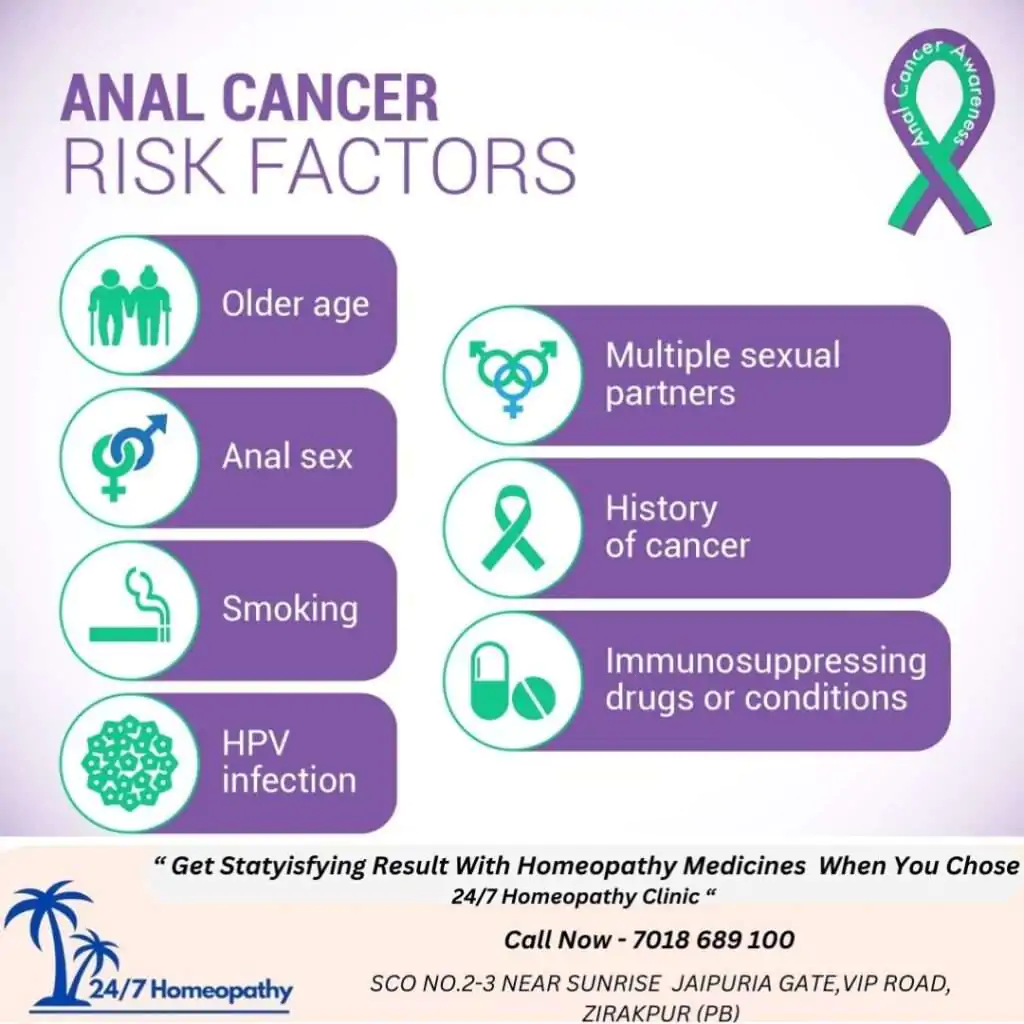
One of the strongest risk factors is infection with the Human Papillomavirus (HPV), particularly high-risk HPV types.
Other factors that may increase the risk include:
- Human Papillomavirus (HPV) infection
- Increasing age
- Smoking
- Weakened immune system
- HIV infection
- Multiple sexual partners
- History of sexually transmitted infections (STIs)
- Receptive anal intercourse
- Previous history of anal, cervical, vulvar, or vaginal cancer
- Long-standing anal fistulas or chronic inflammation
Having one or more risk factors does not necessarily mean a person will develop anal cancer.
Symptoms of Anal Cancer
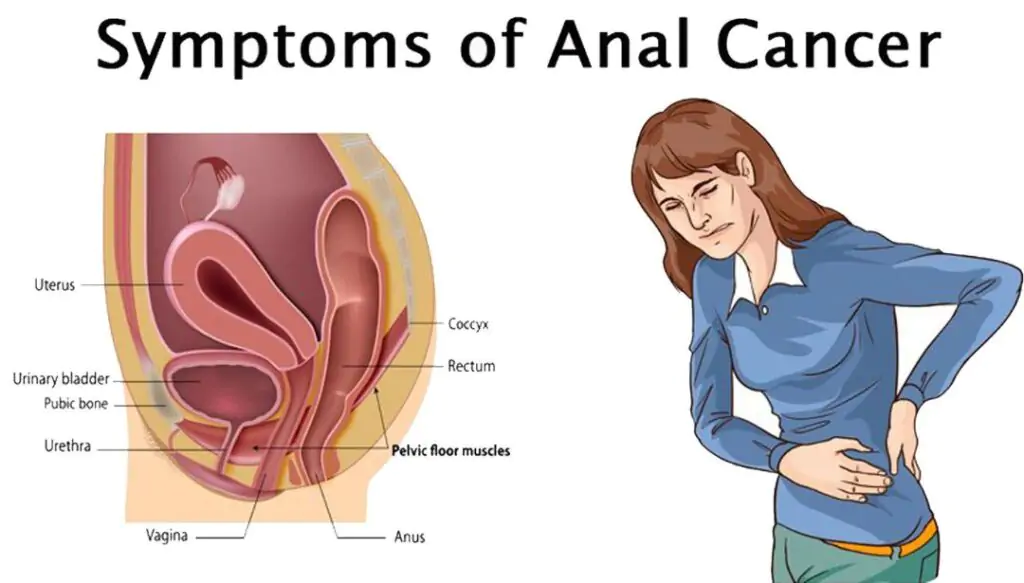
Early symptoms of anal cancer often resemble those of hemorrhoids or anal fissures, making medical evaluation important if symptoms persist.
Common symptoms include:
- Bleeding from the anus or rectum
- Pain or discomfort around the anus
- Persistent itching around the anal area
- A lump or growth near the anus
- Swollen lymph nodes in the groin
- Changes in bowel habits
- Difficulty passing stools
- Narrow stools
- Mucus or foul-smelling discharge from the anus
- Feeling of incomplete bowel emptying
Consult a healthcare professional if any of these symptoms last for more than two weeks or worsen over time.
Diagnosis of Anal Cancer
Your doctor may recommend several tests to confirm the diagnosis.
Physical Examination
A detailed medical history and examination of the anal area are performed.
Digital Rectal Examination (DRE)
The doctor gently inserts a gloved, lubricated finger into the anal canal to feel for any abnormal growths or lumps.
Anoscopy
A small instrument called an anoscope is used to examine the inside of the anal canal more closely.
Imaging Tests
Depending on the suspected stage of cancer, imaging may include:
- MRI scan
- CT scan
- PET scan
- Endoanal ultrasound
These tests help determine the size of the tumor and whether it has spread.
Biopsy
A biopsy is the definitive test for diagnosing anal cancer. A small sample of tissue is removed and examined under a microscope.
Precautions and Lifestyle Tips
Lifestyle recommendations include:
- Get vaccinated against HPV if eligible.
- Quit smoking and avoid tobacco products.
- Limit alcohol consumption.
- Practice safer sex and use protection.
- Limit the number of sexual partners.
- Seek prompt treatment for sexually transmitted infections.
- Maintain good anal hygiene.
- Eat a high-fiber diet to prevent constipation.
- Drink adequate water every day.
- Exercise regularly.
- Maintain a healthy body weight.
- Seek treatment for chronic anal conditions such as fissures or fistulas.
- Attend regular medical check-ups if you have risk factors.
Homeopathic Treatment Approach for Anal Cancer
Anal cancer requires prompt diagnosis and treatment by qualified oncology specialists. Depending on the stage of the disease, treatment may include surgery, chemotherapy, radiation therapy, or a combination of these approaches.
At 247 Homeopathy, Dr. Ruchi evaluates each patient individually by considering:
- Complete medical history
- Presenting symptoms
- Cancer diagnosis and treatment history
- General health
- Emotional and mental well-being
- Individual constitutional characteristics
Homeopathic medicines are selected according to the patient’s unique symptom profile rather than the disease name alone.
Homeopathic Medicines Commonly Considered
Medorrhinum
According to classical homeopathic literature, Medorrhinum may be considered in individuals with symptom patterns such as:
- Persistent itching around the anus
- Offensive anal discharge
- Difficulty passing stools
- Pain around the anal sphincter
- Low back pain
- History of suppressed gonorrheal infections
Medicine selection always depends on the individual’s complete symptom picture.
Silicea
Silicea may be considered when patients experience:
- Pain around the coccyx
- Difficulty passing stools
- Sensation of incomplete evacuation
- Mucus discharge
- Anal discomfort
- Swollen inguinal glands
Its use is based on individualized homeopathic assessment.
Thuja
Thuja is traditionally described in homeopathic practice for symptom patterns including:
- Abdominal bloating
- Flatulence
- Painful bowel movements
- Swollen or painful anal region
- Occasional bleeding during stool passage
- History of suppressed gonorrheal infections
A qualified homeopathic physician determines whether this medicine is appropriate based on the patient’s overall health and symptoms.
Frequently Asked Questions
Is anal cancer the same as rectal cancer?
No. Anal cancer develops in the anal canal, while rectal cancer develops in the rectum. Although they are close anatomically, they are different diseases and are treated differently.
What is the most common symptom of anal cancer?
Rectal bleeding is one of the most common early symptoms. Pain, itching, or a lump near the anus may also occur.
Does HPV cause anal cancer?
Persistent infection with high-risk types of Human Papillomavirus (HPV) is one of the major risk factors for anal cancer, but not everyone with HPV develops cancer.
Can hemorrhoids be mistaken for anal cancer?
Yes. Both conditions can cause bleeding, pain, and lumps. Persistent or unusual symptoms should always be evaluated by a healthcare professional.
Can anal cancer be cured?
Many cases of anal cancer can be successfully treated, especially when diagnosed early. Treatment depends on the stage of the disease and individual patient factors.
Consult Dr. Ruchi at 24/7 Homeopathy, Zirakpur
If you have been diagnosed with anal cancer or are experiencing persistent anal symptoms such as bleeding, pain, itching, or a lump, seeking timely medical evaluation is essential.
At 24/7 Homeopathy, Dr. Ruchi offers individualized homeopathic consultations designed to complement conventional medical care. Every treatment plan is tailored to the patient’s unique symptoms, medical history, and overall health while encouraging appropriate evaluation and treatment by oncology specialists.


This article provides great value for readers who are serious about improving their health. I liked the balanced approach and the reminder that weight loss takes time. Posts like this help people stay patient and focused on long-term results.