AIDS Related Cancer
AIDS-related cancers are certain types of cancers that occur more frequently in people living with Human Immunodeficiency Virus (HIV) due to a weakened immune system. Although advances in HIV treatment have reduced the risk of many complications, some cancers continue to occur more often in individuals with uncontrolled or advanced HIV infection.
Early diagnosis, timely medical treatment, and appropriate supportive care play an important role in improving quality of life and health outcomes. Along with conventional medical care, some people choose homeopathy as a complementary approach to help manage individual symptoms and overall well-being under professional supervision.
What is AIDS-Related Cancer?
AIDS-related cancer refers to cancers that develop more commonly in people with HIV/AIDS because the immune system is weakened and less able to control certain viruses and abnormal cell growth.
The three major AIDS-related cancers include:
- Kaposi Sarcoma (KS)
- AIDS-Related Non-Hodgkin Lymphoma
- Primary Central Nervous System (CNS) Lymphoma
These conditions require prompt evaluation and treatment by oncology and infectious disease specialists.
Types of AIDS-Related Cancer
1. Kaposi Sarcoma
Kaposi Sarcoma is a cancer that develops from the cells lining blood vessels and lymphatic vessels. It can affect the skin, lymph nodes, mouth, lungs, digestive tract, and other organs.
Causes
Kaposi Sarcoma is associated with infection by Human Herpesvirus-8 (HHV-8).
Most people exposed to HHV-8 never develop the disease because a healthy immune system keeps the virus under control. Individuals with weakened immunity, especially those with advanced HIV infection, have a higher risk.
Symptoms of Kaposi Sarcoma
Common symptoms include:
- Red, purple, brown, or bluish skin patches
- Flat or raised skin lesions
- Lesions on the face, legs, arms, or inside the mouth
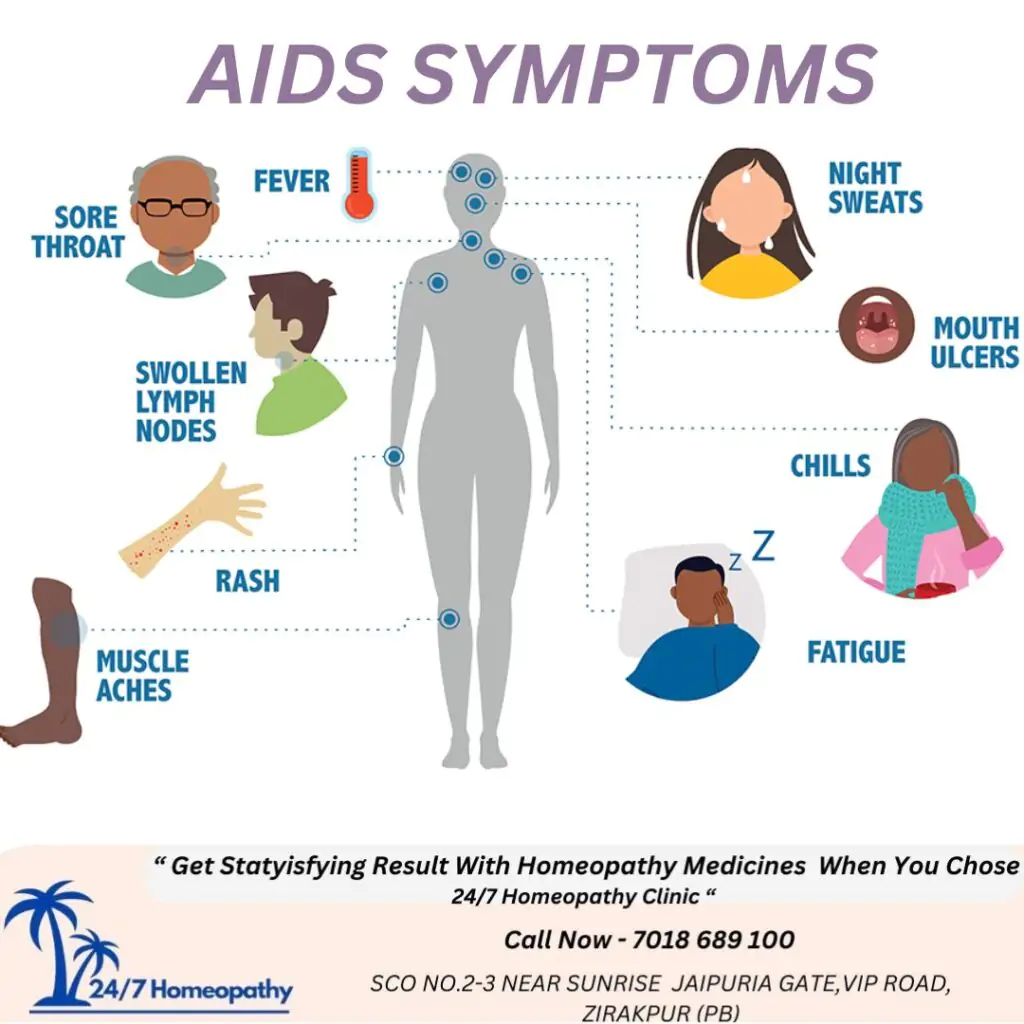
- Fever
- Unexplained weight loss
- Fatigue and weakness
- Persistent cough (if lungs are involved)
- Shortness of breath
- Abdominal pain
- Diarrhea
- Swelling of legs due to lymphatic blockage
- Bleeding lesions
- Anemia from chronic bleeding
Diagnosis
Doctors may recommend:
- HIV testing
- Physical examination
- Chest X-ray
- CT scan
- Endoscopy (if digestive tract involvement is suspected)
- Biopsy of suspicious lesions
AIDS-related lymphoma is a rapidly growing cancer of the lymphatic system. It most commonly affects B-lymphocytes, which are important immune cells.
People living with HIV have a significantly increased risk of developing aggressive forms of Non-Hodgkin lymphoma.
Symptoms
- Persistent fever
- Unexplained weight loss
- Night sweats
- Extreme fatigue
- Enlarged lymph nodes in the neck, armpits, chest, or groin
- Frequent infections
- Feeling of fullness below the ribs
- Anemia
- General weakness
Diagnosis
Evaluation may include:
- Medical history
- Physical examination
- Complete blood count (CBC)
- Blood chemistry tests
- LDH (Lactate Dehydrogenase) test
- HIV testing
- Hepatitis B testing
- CT scan
- PET scan
- Bone marrow aspiration
- Lymph node biopsy
- Molecular testing
3. Primary Central Nervous System (CNS) Lymphoma
Primary CNS lymphoma is a rare but aggressive form of Non-Hodgkin lymphoma that develops in the brain, spinal cord, eyes, or cerebrospinal fluid.
It occurs more commonly in people with AIDS or other conditions that weaken the immune system.
Symptoms
Symptoms depend on the location of the tumor and may include:
- Persistent headaches
- Memory loss
- Confusion
- Personality changes
- Difficulty speaking
- Weakness in the arms or legs
- Loss of coordination
- Vision changes
- Seizures
- Nausea and vomiting
- Reduced sensation
- General body weakness
Diagnosis
Doctors may perform:
- Neurological examination
- Eye examination
- MRI
- CT scan
- PET scan
- Lumbar puncture
- Brain biopsy
- Bone marrow examination
- Blood investigations
- HIV testing
Precautions & Lifestyle Tips
People living with HIV can reduce their risk of complications by following healthy lifestyle practices.
Helpful measures include:
- Take HIV medications exactly as prescribed.
- Attend regular medical check-ups.
- Undergo recommended cancer screening when advised.
- Eat a balanced, nutritious diet.
- Stay well hydrated.
- Exercise regularly according to your doctor’s advice.
- Avoid smoking and tobacco.
- Limit alcohol intake.
- Practice safe sex.
- Seek medical attention promptly for new symptoms.
- Maintain good mental health through counseling and support groups.
Homeopathic Treatment Approach for AIDS-Related Cancer
AIDS-related cancers require specialist medical treatment, which may include antiretroviral therapy (ART), chemotherapy, radiation therapy, immunotherapy, targeted therapy, or surgery depending on the type and stage of cancer.
At 247 Homeopathy, Dr. Ruchi carefully evaluates each patient’s:
- Medical history
- HIV status
- Cancer diagnosis
- Presenting symptoms
- General health
- Emotional well-being
- Individual constitution
Homeopathic medicines are prescribed only after an individualized consultation.
Homeopathic Medicines Commonly Considered
Bufo
Based on classical homeopathic literature, Bufo may be considered in patients presenting with selected symptom patterns such as:
- General weakness
- Restlessness
- Excessive sweating
- Skin eruptions
- Burning or itching sensations
- Numbness
- Muscle cramps
- Neurological complaints
Medicine selection depends entirely on the individual’s overall symptom picture.
Thuja
Thuja may be considered when symptoms include:
- Easy fatigue
- Glandular enlargement
- Brown skin spots
- Persistent headaches
- Fever with sweating
- Constitutional weakness
Its use is based on individualized homeopathic prescribing rather than the disease name alone.
Conium
Conium is traditionally described in homeopathic practice for individuals with symptom patterns such as:
- Weak memory
- Vertigo
- Headache with nausea
- General heaviness
- Weakness
- Skin eruptions
- Excessive perspiration
A qualified homeopathic physician determines whether it is appropriate for a particular patient.
Frequently Asked Questions (FAQs)
Is AIDS-related cancer common?
The risk is higher in people with HIV compared to the general population, especially if HIV is not well controlled.
Can HIV treatment reduce cancer risk?
Yes. Effective antiretroviral therapy (ART) strengthens the immune system and significantly reduces the risk of several AIDS-related cancers.
What are the first signs of Kaposi Sarcoma?
Early signs often include painless red, purple, or brown patches or raised lesions on the skin or inside the mouth.
Is AIDS-related lymphoma curable?
Treatment outcomes depend on the type of lymphoma, stage of disease, overall health, and response to therapy. Early diagnosis improves treatment options.
Can homeopathy cure AIDS-related cancer?
There is no scientific evidence that homeopathy can cure AIDS-related cancers. Homeopathy may be used as a complementary approach for individualized symptom management alongside conventional cancer care, under medical supervision.
When should I consult a doctor?
Seek immediate medical evaluation if you experience unexplained weight loss, persistent fever, enlarged lymph nodes, unusual skin lesions, prolonged fatigue, seizures, or neurological symptoms.
Consult Dr. Ruchi at 247 Homeopathy, Zirakpur
If you or a loved one has been diagnosed with an AIDS-related cancer and would like to explore individualized homeopathic supportive care homeopathy treatment with 24/7 Homeopathy alongside conventional treatment, Dr. Ruchi at 247 Homeopathy, Zirakpur provides detailed consultations based on each patient’s medical history, symptoms, and overall health.
The clinic focuses on patient-centered care, clear guidance, and personalized homeopathic treatment plans while encouraging continued care with oncology and HIV specialists.


