Osteoarthritis
Osteoarthritis is the most common form of arthritis. It develops when the tissues within a joint gradually change and the protective cartilage covering the ends of bones becomes damaged over time.
Osteoarthritis most commonly affects the knees, hips, hands, and spine, although it can affect other joints as well.
Symptoms may include joint pain, stiffness, tenderness, reduced movement, swelling, and a grinding or cracking sensation. Although osteoarthritis is a long-term condition, appropriate management can help reduce symptoms and maintain mobility.
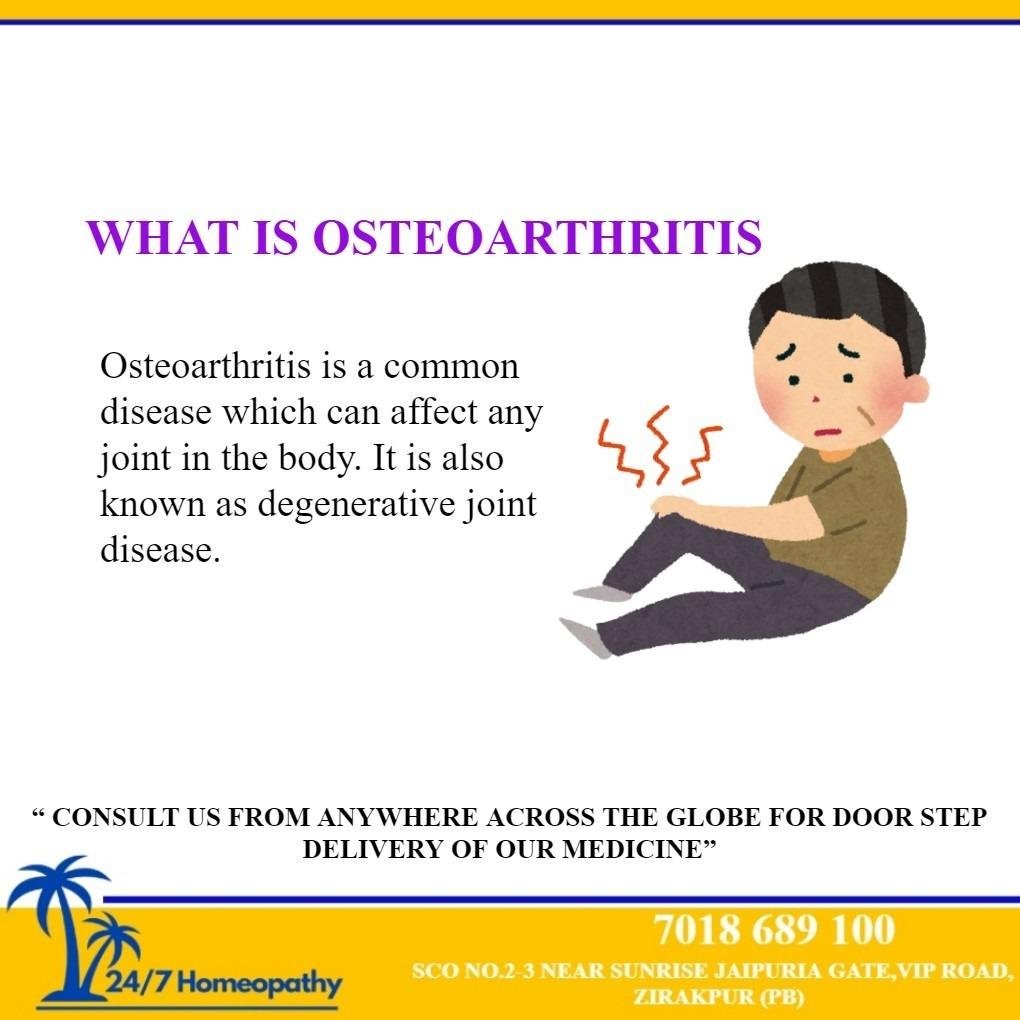
What Is Osteoarthritis?
Osteoarthritis is a degenerative joint condition that affects more than just cartilage. Changes can also occur in the underlying bone, joint lining, and the connective tissues that support the joint.
As cartilage becomes thinner or damaged, the joint may become painful and stiff. In some people, bony growths called osteophytes or bone spurs can develop around the joint.
The severity of symptoms varies from person to person. Some people have significant changes on imaging but relatively few symptoms, while others experience considerable pain and difficulty with movement.
Symptoms of Osteoarthritis
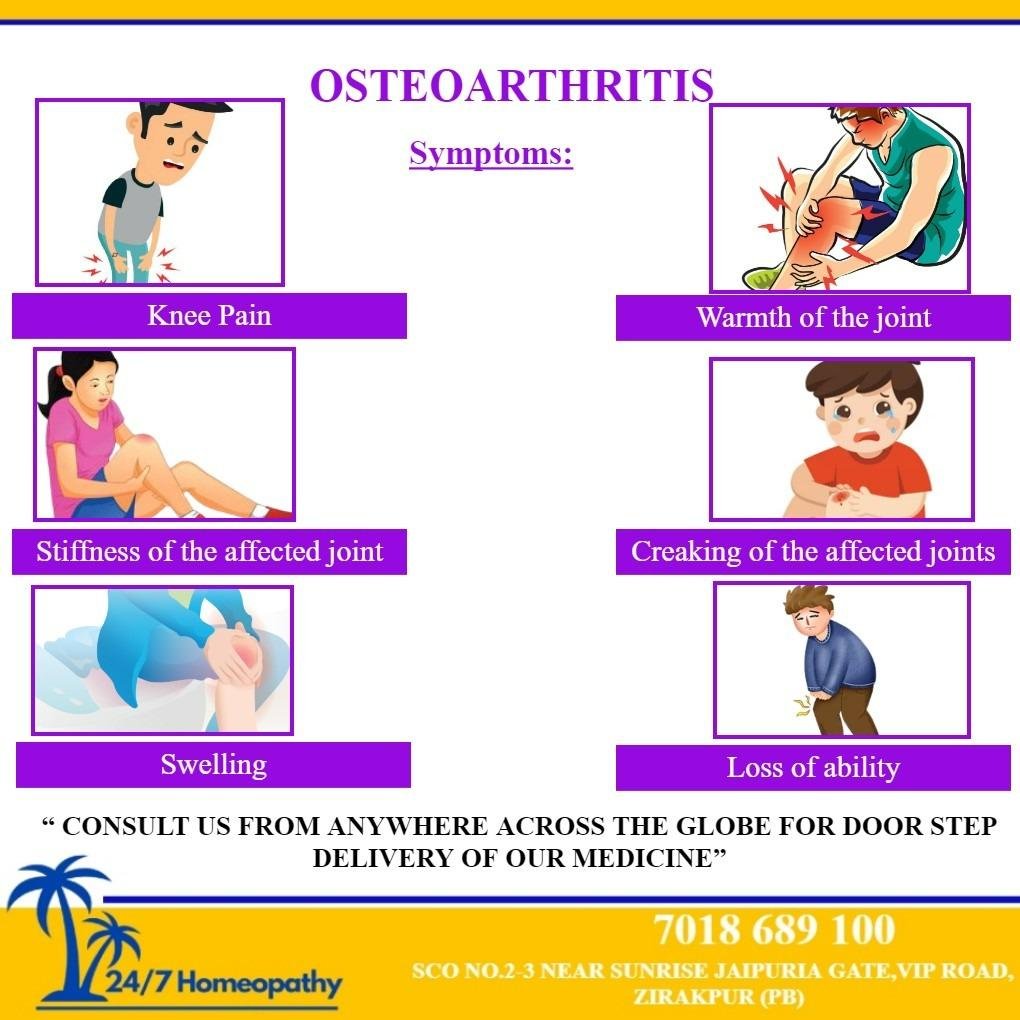
Common symptoms include:
Joint Pain
Pain may occur during or after movement and may become more noticeable with activities that put stress on the affected joint.
Joint Stiffness
Stiffness is often more noticeable after waking up or after remaining inactive for some time.
Tenderness
The affected joint may become tender when pressure is applied.
Reduced Range of Motion
You may find it increasingly difficult to move the affected joint through its full range.
Grinding, Popping or Crackling
Some people experience a grating or grinding sensation when moving the joint. Popping or crackling sounds may also occur.
Bone Spurs
Extra areas of bone may develop around an affected joint and can sometimes be felt as a hard lump.
Swelling
The tissues around the joint may become swollen, particularly when the joint is irritated or inflamed.
Causes and Risk Factors of Osteoarthritis
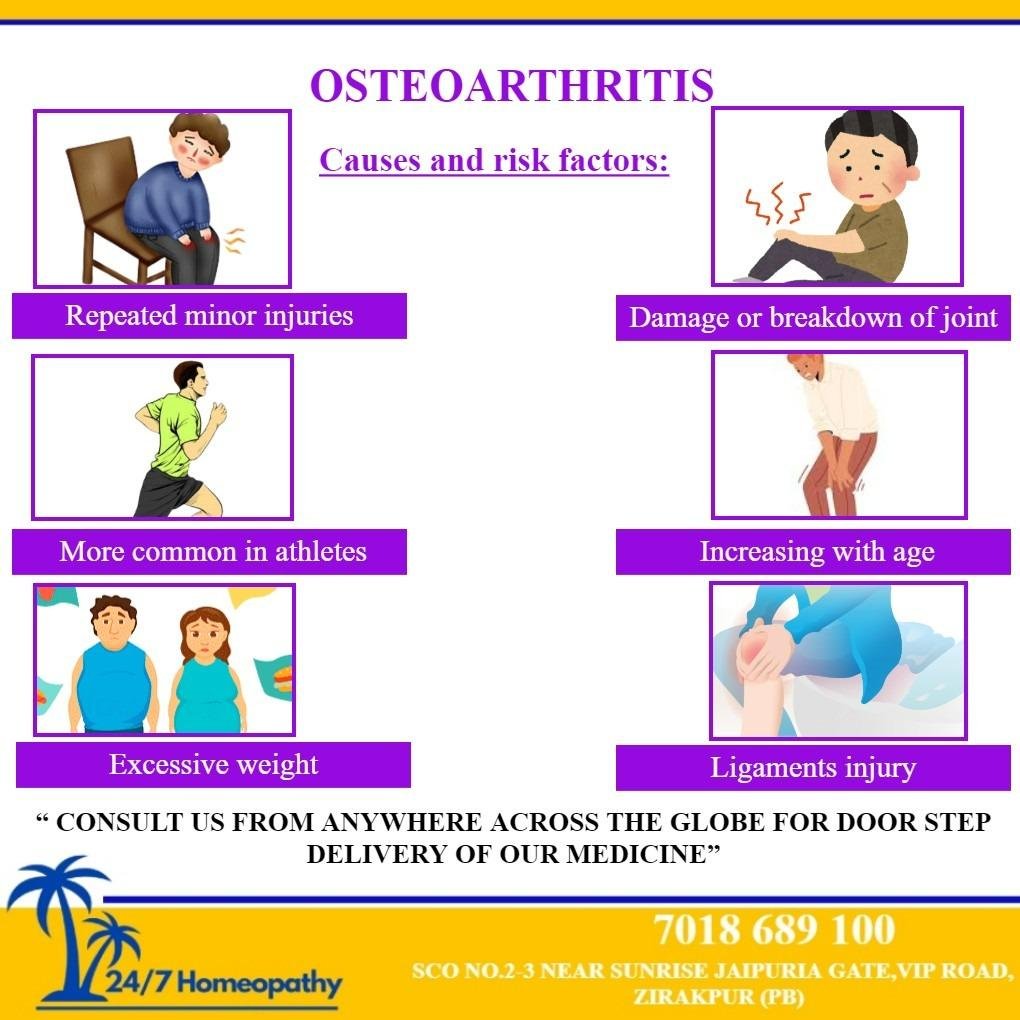
Osteoarthritis develops through gradual changes and damage within a joint. Cartilage can become thinner and less effective at allowing smooth movement between the bones.
Several factors can increase the likelihood of developing osteoarthritis.
Age
The risk generally increases as people get older.
Previous Joint Injury
Sports injuries, accidents, fractures, or previous damage to a joint can increase the risk of osteoarthritis later.
Excess Body Weight
Carrying excess weight places additional stress on weight-bearing joints, particularly the knees and hips.
Sex
Osteoarthritis is common in both men and women, although some forms of osteoarthritis are more common in women, particularly after menopause.
Family History
Genetic factors can contribute to a person’s tendency to develop osteoarthritis.
Repetitive Joint Stress
Activities or occupations involving repetitive stress on particular joints may increase the risk.
Abnormal Joint Development
Some people are born with joint abnormalities or structural problems that can increase the likelihood of osteoarthritis.
Complications of Osteoarthritis
Osteoarthritis can gradually affect daily activities when pain, stiffness, or reduced mobility becomes significant.
Possible difficulties include:
- Difficulty walking or climbing stairs.
- Difficulty standing for long periods.
- Reduced ability to perform household or work activities.
- Sleep disturbance because of joint pain.
- Reduced physical activity.
- Loss of muscle strength around an affected joint.
Managing symptoms early and maintaining appropriate physical activity can help preserve mobility and quality of life.
Diagnosis of Osteoarthritis
Osteoarthritis is usually diagnosed through a combination of medical history and physical examination.
A healthcare professional may assess:
- Location and pattern of pain.
- Joint stiffness and mobility.
- Swelling and tenderness.
- Joint sounds such as grinding or cracking.
- Muscle strength and movement.
Imaging such as an X-ray may be recommended when needed. In some situations, an MRI or blood tests may be used to investigate other possible causes of joint symptoms.
Lifestyle and Management Tips
There is no guaranteed way to prevent osteoarthritis, but several measures can support joint health and mobility.
Seek medical evaluation if pain is persistent, severe, or progressively worsening.
Maintain a healthy body weight.
Stay physically active within your ability.
Choose low-impact activities such as walking, swimming, or cycling when appropriate.
Strengthen the muscles around affected joints with suitable exercises.
Avoid prolonged inactivity.
Use proper techniques during sports and physical work.
Avoid repeatedly overloading a painful joint.
Follow professional advice if you have a previous joint injury.
Eat a balanced and nutritious diet.

Homeopathic Treatment Approach for Osteoarthritis
At 247 Homeopathy, Dr. Ruchi’s homeopathic approach is individualized according to the person’s joint symptoms, pain pattern, stiffness, aggravating and relieving factors, general health, and medical history.
The doctor’s existing notes include the following remedies for osteoarthritis:
Causticum
The doctor’s notes describe Causticum in relation to knee osteoarthritis associated with:
- Significant stiffness.
- Cracking or creaking sensations in the knee.
- Pain that improves with warmth.
- Symptoms that may become worse from exposure to cold air.
Sulphur
The doctor’s notes describe Sulphur for knee symptoms such as:
- Pain while using stairs.
- Knee stiffness.
- Pain that becomes worse after prolonged standing.
Calcarea Fluorica
The doctor’s notes describe Calcarea Fluorica in chronic joint conditions with:
- Joint pain that improves with warmth.
- Symptoms that improve with movement.
- Enlarged or hardened joints.
- Nodosities or bony growths around joints.
Kali Carbonicum
The doctor’s notes describe Kali Carbonicum in cases involving:
- Knee pain extending from the hip toward the knee.
- Knee pain associated with backache.
- Sharp or cutting pain.
- Symptoms that may improve with movement and warmth.
- Pain that may become worse from pressure.
Calcarea Carbonica
The doctor’s notes describe Calcarea Carbonica particularly in patients with:
- Knee pain and swelling.
- Difficulty getting up after sitting.
- Pain aggravated by walking.
- A tendency toward excess body weight.
FAQs About Osteoarthritis
Can osteoarthritis cause pain after sitting or resting?
Yes. Osteoarthritis can cause stiffness and pain after periods of inactivity, such as sitting or resting. Symptoms may improve as the joint is gently moved, although persistent pain should be evaluated.
Can osteoarthritis cause swelling in the fingers?
Yes. Osteoarthritis can affect the finger joints and may cause pain, stiffness, swelling, or changes in the shape of the joints. Persistent or worsening finger symptoms should be assessed.
Can osteoarthritis cause pain in the hips?
Yes. Hip osteoarthritis can cause pain and stiffness around the hip, groin, thigh, or buttock and may make walking or other movements more difficult.
Can osteoarthritis cause joint cracking or grinding?
Yes. Osteoarthritis may cause cracking, clicking, or grinding sensations in an affected joint, particularly during movement. These sounds are more concerning when they occur with persistent pain, swelling, or reduced movement.
Can osteoarthritis affect the hands and fingers?
Yes. Osteoarthritis can affect the joints of the hands and fingers, causing pain, stiffness, tenderness, swelling, or reduced grip and movement.
Can osteoarthritis get worse over time?
Osteoarthritis can progress over time, although the rate and severity of progression vary between individuals. Persistent or worsening pain, stiffness, or difficulty with daily activities should be discussed with a healthcare professional.
Osteoarthritis Consultation at 247 Homeopathy
If you are searching for homeopathic treatment for osteoarthritis in Zirakpur, Dr. Ruchi at 247 Homeopathy provides individualized consultations based on your symptoms and health history.
Patients from Zirakpur and nearby areas including Chandigarh, Panchkula, Mohali, Dera Bassi, Baltana, Dhakoli, and Ambala can consult the clinic.
Online consultations are also available for patients from other parts of India and worldwide.
If you are consulting for osteoarthritis, keeping your previous X-rays, MRI reports, medical prescriptions, and relevant blood-test reports available can help provide a more complete clinical history.
Book a consultation with Dr. Ruchi to discuss your joint pain, stiffness, mobility concerns, and whether complementary homeopathic care may be appropriate for you.


