SCIATICA PAIN
Sciatica pain occurs when the sciatic nerve or its nerve roots become irritated or compressed. The sciatic nerve is the largest nerve in the body and travels from the lower back through the buttocks and down the legs.
The pain commonly begins in the lower back or buttock and radiates through the back of the thigh and leg, sometimes reaching the foot. Sciatica often affects one side of the body, although symptoms can occasionally occur on both sides.
The underlying cause is important to identify because sciatica can result from conditions such as a herniated disc, bone spurs or other problems affecting the spine.
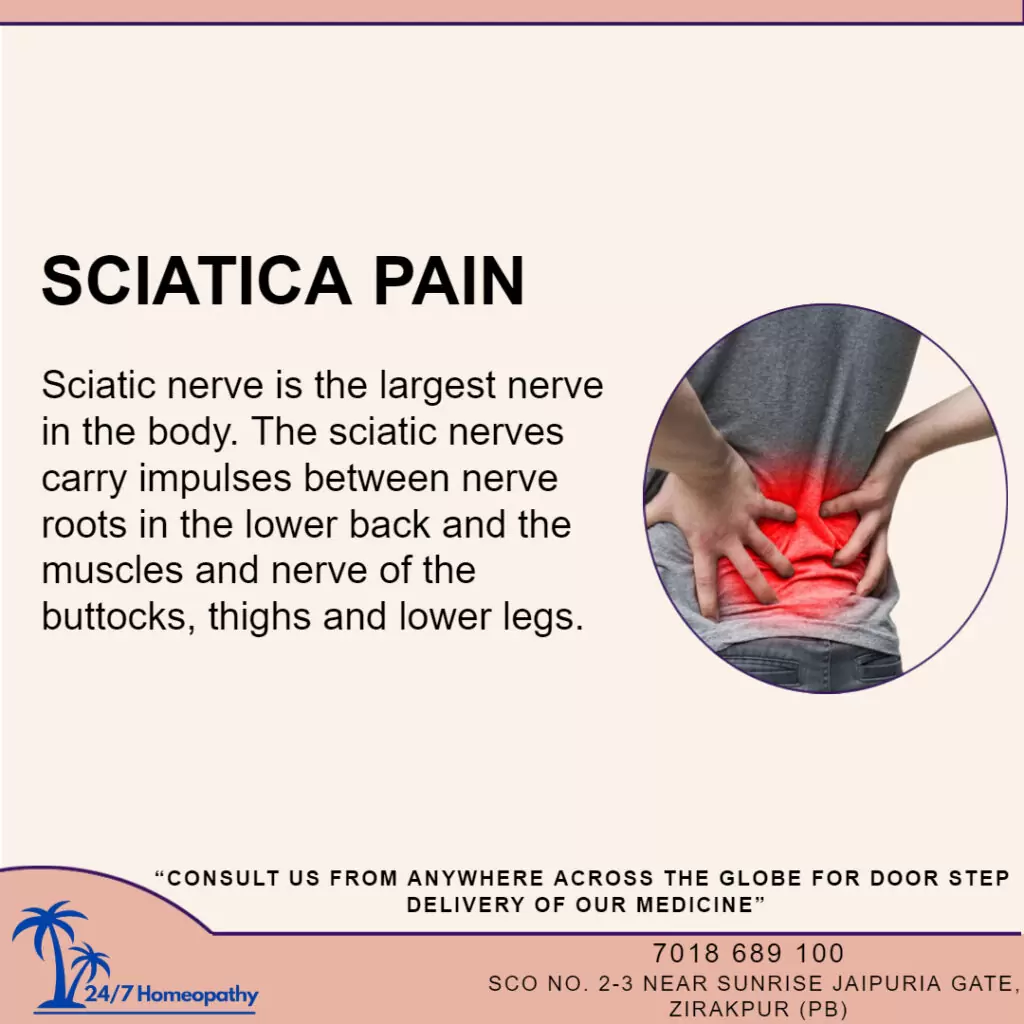
What Is Sciatica Pain?
Sciatica is not simply ordinary back pain. It refers to pain or other nerve-related symptoms caused by irritation or compression of the sciatic nerve or its associated nerve roots.
Depending on the affected nerve, a person may experience pain, tingling, numbness or weakness along the buttock, thigh, lower leg or foot.
Symptoms can vary from mild discomfort to severe, radiating pain that interferes with walking, sitting, sleeping or everyday activities.
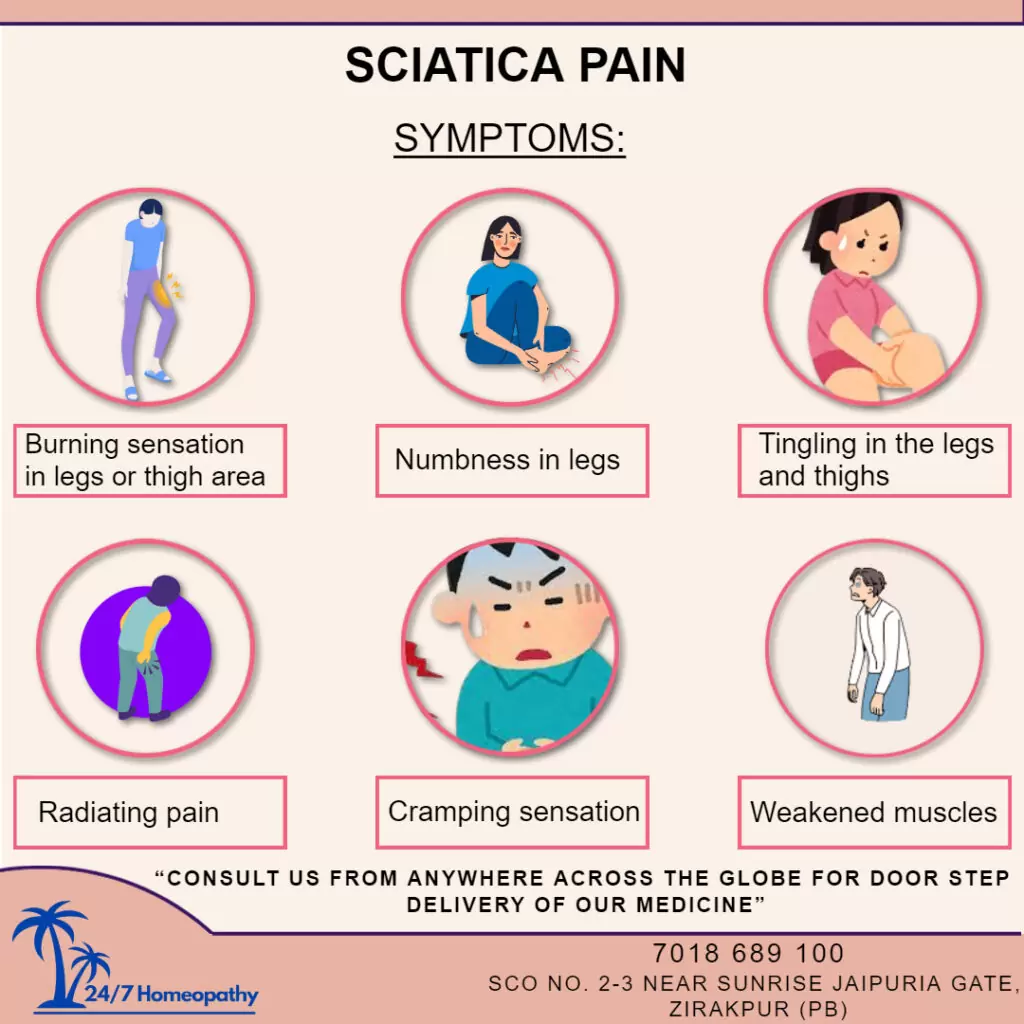
Symptoms of Sciatica Pain
Common symptoms include:
- Burning or shooting pain in the leg or thigh
- Pain radiating from the buttock down the back of the leg
- Tingling or pins-and-needles sensation
- Numbness in the leg or foot
- Cramping or aching sensation
- Pain that may extend below the knee
- Weakness in the affected leg in some cases
- Symptoms that are usually worse on one side
The pain may become more noticeable with prolonged sitting, certain movements or activities, depending on the underlying cause.
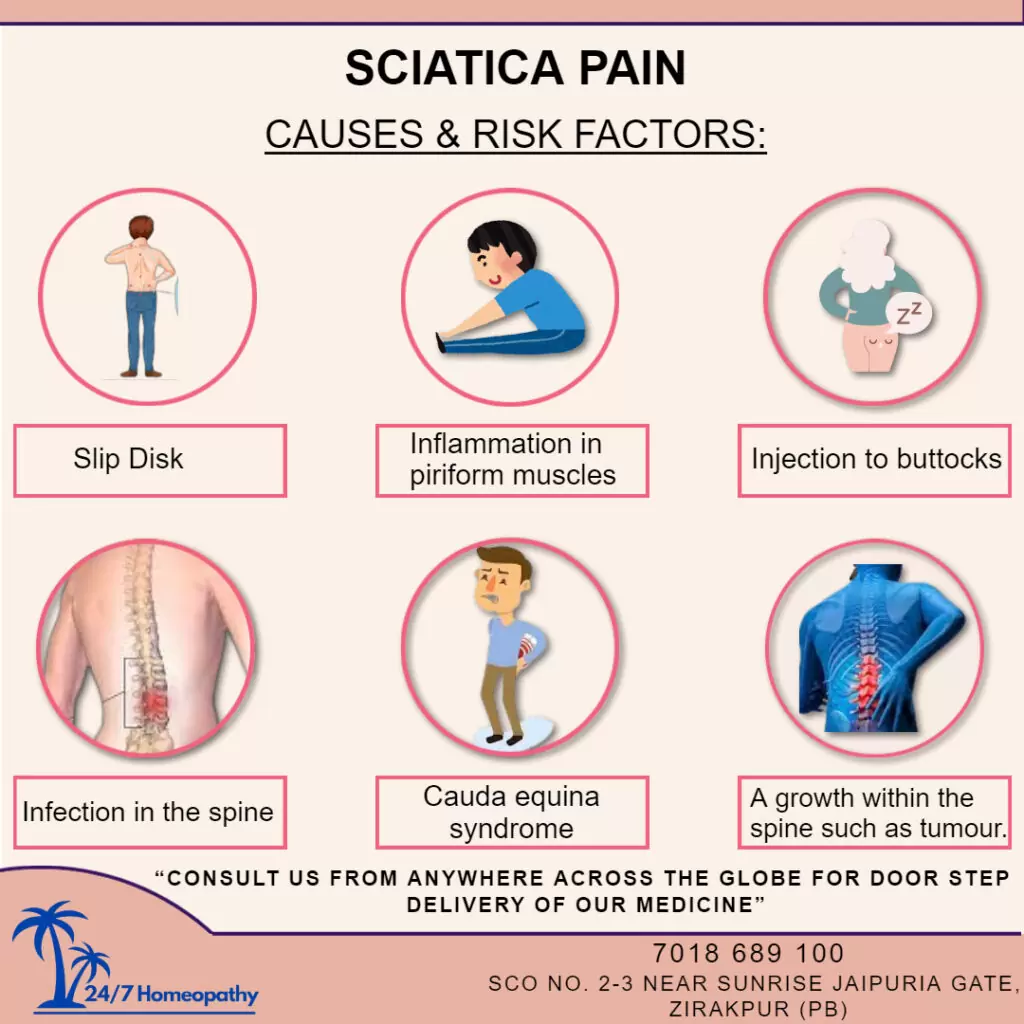
Causes of Sciatica Pain
Sciatica generally occurs when the sciatic nerve or one of its nerve roots becomes compressed or irritated.
Common causes include:
Herniated or Slip Disc
A herniated disc can press against a nerve root in the lower spine and cause radiating pain into the buttock and leg.
Bone Spurs
Age-related changes in the spine can sometimes result in bone spurs that narrow the space around the nerves and contribute to nerve compression.
Piriformis Muscle Problems
In some people, irritation or spasm of the piriformis muscle may affect the sciatic nerve and produce symptoms similar to sciatica.
Spinal Conditions
Infection, narrowing of the spinal canal or other spinal conditions can sometimes affect the nerves.
Tumour
Rarely, a growth within or around the spine can put pressure on a nerve and cause sciatica-like symptoms.
Diabetes
Diabetes can cause nerve damage, which may contribute to pain, numbness or other nerve symptoms.
Risk Factors
Some factors may increase the likelihood of developing sciatica:
- Age: Changes in the spine become more common with age.
- Excess body weight: Additional stress on the spine may increase the risk of back problems.
- Physical work: Repeated lifting, bending or twisting can put stress on the back.
- Prolonged sitting: Long periods of sitting may contribute to back and nerve-related problems.
- Diabetes: Long-term diabetes can increase the risk of nerve damage.
Diagnosis of Sciatica
Diagnosis generally begins with a medical history and physical examination.
A healthcare professional may assess:
- Location and pattern of pain
- Muscle strength
- Reflexes
- Sensation in the legs
- Walking and movement
- Back and leg movements
Imaging such as MRI or CT scans may be recommended when symptoms are severe, persistent or when a specific spinal problem is suspected.
Complications and Warning Signs
Many people with sciatica improve with appropriate care. However, nerve compression can occasionally become serious.
Seek urgent medical attention if you develop:
- New or worsening weakness in the leg
- Significant loss of sensation
- Loss of bladder control
- Difficulty passing urine
- Loss of bowel control
- Numbness around the buttocks, inner thighs or genital area
These symptoms can indicate serious nerve compression, including cauda equina syndrome, and require immediate medical evaluation.
Prevention and Lifestyle Tips
Sciatica cannot always be prevented, but some habits may help reduce strain on the lower back.
Stay Physically Active
Regular, appropriate exercise can help strengthen the abdominal and back muscles that support the spine.
Maintain Good Sitting Posture
Use a supportive chair and avoid sitting in the same position for prolonged periods. A small lumbar support may help maintain the natural curve of the lower back.
Lift Correctly
When lifting heavy objects:
- Bend your knees rather than relying on your back.
- Keep the load close to your body.
- Avoid twisting while lifting.
- Ask for assistance with heavy or awkward objects.
Maintain a Healthy Weight
Maintaining a healthy weight can reduce excess stress on the spine and support overall musculoskeletal health.
Homeopathic Management of Sciatica Pain
At 247 Homeopathy, the doctor’s approach is to select homeopathic medicines according to the individual’s symptoms, location and characteristics of pain, along with their overall health.
The following remedies are part of the doctor’s existing homeopathic approach to sciatica:
Magnesia phosphorica
Traditionally considered when sciatica involves cutting, shooting, stabbing or stitching pain, particularly on the right side. The pain may extend from the lower back through the hip, thigh, knee and leg. Symptoms may be relieved by pressure or warmth.
Arnica montana
Traditionally considered when sciatic pain follows an injury, fall, blow or physical strain. Marked soreness and sensitivity of the affected lower limb may be present.
Cotyledon umbilicus
Traditionally considered when sciatica is accompanied by intense pain and sensitivity in the lower limbs. Heaviness of the legs and stinging pain in the hip may also be present.
Kali iodide
Traditionally considered when sciatic pain becomes worse with sitting or standing and is particularly troublesome at night. Walking may provide some relief in the symptom pattern described in homeopathic practice.
FAQs About Sciatica Pain
Can sciatica cause pain in the buttock?
Yes. Sciatica can cause pain in the buttock because the sciatic nerve or its nerve roots may be irritated or compressed. The pain may then extend into the thigh or leg.
Can sciatica cause leg cramps?
Sciatica may cause muscle discomfort or sensations such as aching, burning, or cramping in the affected leg. Persistent or severe symptoms should be evaluated to identify the underlying cause.
Can sciatica cause foot pain?
Yes. When a nerve supplying the lower leg and foot is irritated, pain, tingling, or numbness may extend into the foot.
Can coughing or sneezing make sciatica worse?
Yes. Coughing or sneezing can sometimes temporarily increase pain from an irritated spinal nerve because of changes in pressure around the spine.
Can sciatica make it difficult to stand or walk?
Yes. Significant pain, numbness, or weakness can make standing or walking difficult. New or worsening leg weakness requires prompt medical assessment.
How long can sciatica pain last?
The duration varies depending on the underlying cause and severity. Some episodes improve over time, while persistent or worsening symptoms may require medical evaluation and treatment.
Homeopathic Consultation for Sciatica Pain in Zirakpur
Persistent sciatica can interfere with walking, sitting, sleeping and everyday activities. Understanding the cause and pattern of symptoms is important before deciding on a treatment approach.
247 Homeopathy, Zirakpur, provides individualized homeopathic consultations based on the patient’s symptoms and overall health.
If you are experiencing radiating lower-back-to-leg pain, burning, tingling or numbness, consult Dr. Ruchi for personalized guidance.
Book a consultation with 247 Homeopathy in Zirakpur for sciatica pain management.


