LUNG CANCER
Lung cancer is a type of cancer that starts in the lungs. It occurs when abnormal cells in the lungs grow and multiply uncontrollably, forming a tumor. Lung cancer can spread to other parts of the body through the lymphatic system and bloodstream.
At 247 Homeopathy, Zirakpur, Dr. Ruchi provides individualized homeopathic consultation based on the patient’s symptoms and overall health. Online consultation is also available for patients from different parts of India and worldwide.
What Is Lung Cancer?
Lung cancer develops when abnormal cells in the lung begin to grow uncontrollably and form a tumor. Depending on the type of lung cancer, the disease may grow and spread at different rates.
There are different types of lung tumors and lung cancers.
Types of Lung Cancer
Non-Small Cell Lung Cancer
Non-small cell lung cancer includes several types of lung cancer, including:
Adenocarcinoma
Adenocarcinoma can develop in the outer areas of the lungs. It may occur in smokers as well as non-smokers and can spread to other parts of the body.
Squamous Cell Carcinoma
Squamous cell carcinoma can develop in the central airways of the lungs, including areas near the bronchi. It is also associated with smoking.
Large Cell Carcinoma
Large cell carcinoma can occur in different parts of the lung and may grow and spread rapidly.
Small Cell Lung Cancer
Small cell lung cancer is a type of lung cancer in which the cancerous cells appear small when examined under a microscope. It has a tendency to grow and spread quickly to other parts of the body.
Pleuropulmonary Blastoma
Pleuropulmonary blastoma is a very rare tumor that occurs mainly in children. It begins in the soft tissues of the lungs and chest and is mainly found in young children.
Pulmonary Inflammatory Myofibroblastic Tumour
Pulmonary inflammatory myofibroblastic tumour is a rare type of tumor that develops from connective tissue cells in the lung.
Tracheobronchial Tumour
Tracheobronchial tumors develop in the trachea or bronchi. These tumors may be benign or malignant.
Causes of Lung Cancer
Cigarette smoking is an important cause of lung cancer. Exposure to tobacco smoke can significantly increase the risk of developing lung cancer.
Other factors may also be associated with lung cancer. Dr. Ruchi’s original content includes:
- Previous lung damage or scarring, including old scars from tuberculosis
- Exposure to certain occupational or environmental substances
- Exposure to radiation
- Previous or existing lung disease
- Exposure to radon
- Passive or second-hand smoking
Lung cancer can also occur in people who have never smoked, so the absence of smoking does not completely eliminate the possibility of lung cancer.
Risk Factors for Lung Cancer
Risk factors mentioned in the doctor’s content include:
- Smoking
- Passive smoking or second-hand smoke
- Previous history of radiation therapy
- Previous history of lung cancer
- Exposure to radon
- Previous or pre-existing lung disease
The presence of a risk factor does not mean that a person will definitely develop lung cancer.
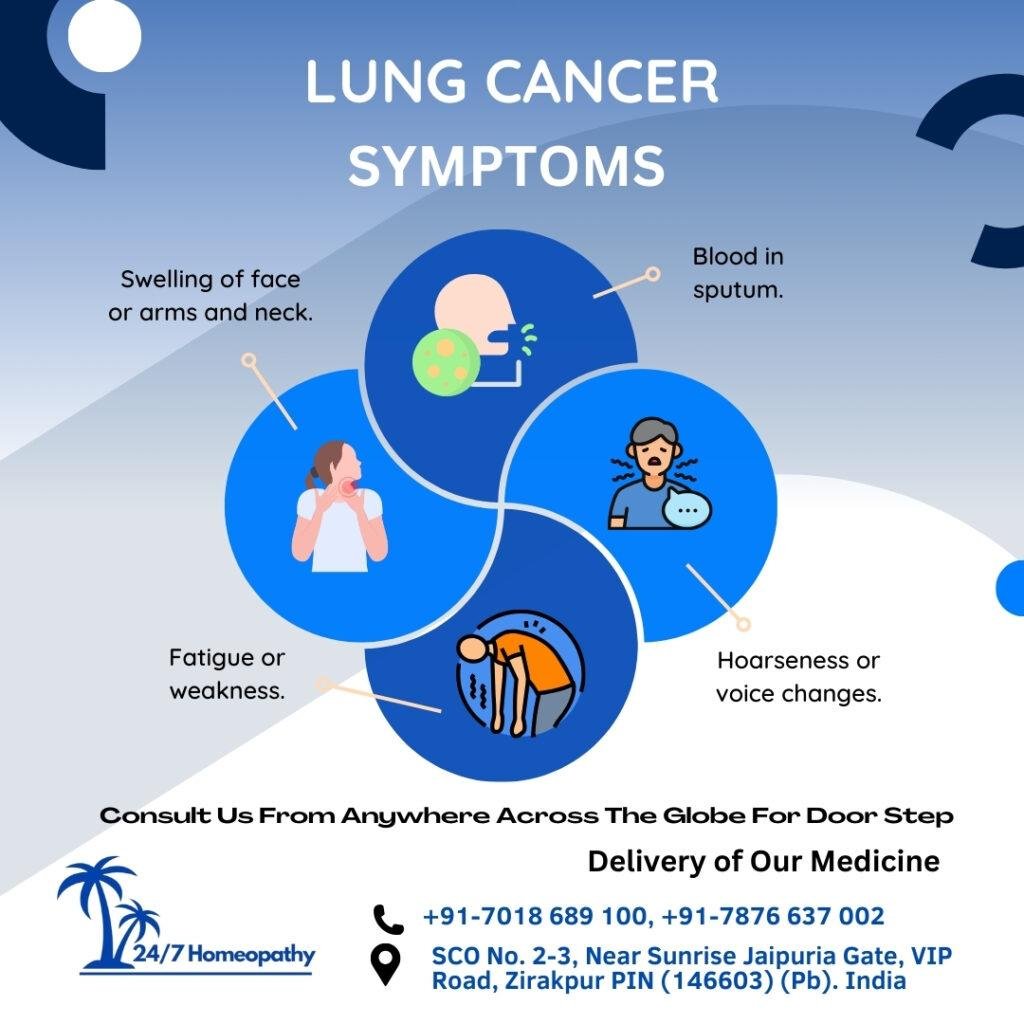
Symptoms of Lung Cancer
Lung cancer symptoms can vary depending on the location and extent of the disease.
Common symptoms mentioned by Dr. Ruchi include:
- Swelling of the face, arms or neck
- Blood in sputum
- Unexplained weight loss
- Loss of appetite
- Fatigue or weakness
- Chest pain that becomes worse with breathing or coughing
- Shortness of breath, especially during exertion
- Wheezing
- Persistent cough that worsens over time
- Recurrent lung infections such as pneumonia or bronchitis
- Hoarseness or changes in the voice
A persistent cough, blood in sputum, unexplained weight loss, ongoing chest pain or repeated respiratory infections should not be ignored and should be medically evaluated.
Lung Cancer Prevention
Some risk factors for lung cancer cannot be controlled, but certain lifestyle measures may help reduce avoidable risks.
Stop Smoking
Quitting smoking is one of the most important steps for reducing the risk associated with tobacco exposure.
Avoid Passive Smoking
Try to avoid exposure to second-hand smoke.
Avoid Workplace Carcinogens
People working around substances that may increase cancer risk should follow appropriate workplace safety precautions.
Maintain a Healthy Lifestyle
A healthy diet containing fruits and vegetables, regular physical activity and appropriate exercise can support overall health.
Yoga and exercise may also be included as part of a healthy lifestyle, according to an individual’s physical condition and medical advice.
Investigations for Lung Cancer
Investigations help doctors identify abnormalities in the lungs and assess the size and location of a suspected tumor.
Dr. Ruchi’s original content includes:
X-Ray
A chest X-ray may help identify abnormalities in the lungs.
CT Scan
A CT scan provides more detailed images of the lungs and can help assess an abnormal area or suspected tumor.
PET Scan
A PET scan may be used to assess areas of abnormal activity and help doctors evaluate the extent of disease.
Biopsy
A biopsy involves examining a tissue sample to help determine the type of cancer.
Sputum Cytology
Sputum may be examined for the presence of cancer cells in selected cases.
Pulmonary Function Tests
Pulmonary function testing evaluates how well the lungs are functioning.
The investigations required can vary from patient to patient. A qualified doctor will determine which tests are appropriate based on the individual’s symptoms and medical condition.
Homeopathic Treatment Approach for Lung Cancer
At 247 Homeopathy, Zirakpur, Dr. Ruchi follows an individualized homeopathic approach based on the patient’s symptoms and overall condition.
The following remedies are included in Dr. Ruchi’s original homeopathic treatment section for specific symptom patterns:
Arsenicum Album
The symptom picture described includes:
- Inability to lie down due to a feeling of suffocation
- Scanty, frothy expectoration
- Asthma that becomes worse after midnight and while lying on the back
- Darting pain through the upper third of the right lung
- Wheezing respiration
Conium Maculatum
The symptom picture described includes:
- Continuous dry cough
- Cough that becomes worse in the evening and at night
- Expectoration only after prolonged coughing
- Constriction of the chest
- Dyspnea or difficulty in breathing
- Chest pain
- Cough that occurs while lying down, talking or laughing
- Sensation of a dry spot in the larynx with itching in the chest
Kali Bichromicum
The symptom picture described includes:
- Profuse, yellow, sticky expectoration
- Expectoration that comes out as a long, stringy and tenacious mass
- Tickling with pain in the stomach extending towards the shoulders
- Cough with a brassy sound
- Bronchitis with loss of smell
- Hoarseness of voice
Frequently Asked Questions About Lung Cancer
1. Can lung cancer cause back or shoulder pain?
Yes. Lung cancer can sometimes cause pain in the back or shoulder, depending on where the tumor develops or spreads. Persistent or unexplained pain should be medically evaluated.
2. Can lung cancer cause a cough that does not go away?
Yes. A persistent or worsening cough can be a symptom of lung cancer, although many other conditions can also cause a chronic cough. A cough that does not improve should be evaluated.
3. Can lung cancer cause repeated chest infections?
Yes. Lung cancer can sometimes interfere with airflow and contribute to recurrent chest infections. Repeated or unexplained lung infections should be discussed with a healthcare professional.
4. Can lung cancer cause coughing up blood?
Yes. Lung cancer can cause blood in the sputum or coughing up blood. Although there are other possible causes, unexplained or recurrent blood in the sputum requires medical assessment.
5. Can lung cancer cause hoarseness or a change in voice?
Yes. Lung cancer can sometimes affect structures or nerves involved in the voice and cause persistent hoarseness. Unexplained voice changes that continue should be medically evaluated.
6. Can lung cancer come back after treatment?
Yes. Lung cancer can recur after treatment in some people. The risk varies according to factors such as the type and stage of cancer and the response to treatment, so regular follow-up is important.
Consultation at 247 Homeopathy, Zirakpur
If you are looking for an individualized homeopathic consultation for lung-related concerns, you can consult Dr. Ruchi at 247 Homeopathy, Zirakpur, Punjab.
The clinic serves patients from Zirakpur and nearby areas, including Chandigarh, Panchkula, Mohali and surrounding regions. Online consultation is also available for patients from other parts of India and worldwide.
Dr. Ruchi can review your symptoms, medical history and available reports as part of the consultation.
For suspected or confirmed lung cancer, appropriate medical diagnosis and treatment remain essential. Homeopathic care should be discussed with your treating medical team and used as a complementary approach where appropriate.
Contact 247 Homeopathy to enquire about consultation with Dr. Ruchi.


