LYMPHOMA
Lymphoma is a type of cancer that develops in the lymphatic system, an important part of the body’s immune system. The lymphatic system includes lymph nodes, lymphatic vessels, spleen, bone marrow and thymus.
Lymphoma develops when some cells of the lymphatic system grow and divide abnormally. These cells are called lymphocytes.
At 247 Homeopathy, Zirakpur, Dr. Ruchi provides individualized homeopathic consultation based on the patient’s symptoms and overall health.
What Is Lymphoma?
Lymphoma is a cancer involving lymphocytes, a type of white blood cell that plays an important role in the immune system.
It can affect lymph nodes as well as other parts of the lymphatic system and may cause enlargement of lymph nodes, fatigue, unexplained weight loss, night sweats and other symptoms.
Lymphoma is mainly divided into two types:
Types of Lymphoma
1. Hodgkin’s Lymphoma
Hodgkin’s lymphoma is characterized by the presence of Reed-Sternberg cells, which are large abnormal cells found in affected lymph nodes.
It may begin in a single lymph node and can spread to other nearby lymph nodes.
2. Non-Hodgkin’s Lymphoma
In non-Hodgkin’s lymphoma, Reed-Sternberg cells are absent. It can develop in different parts of the lymphatic system and is characterized by uncontrolled growth and accumulation of abnormal lymphocytes.
There are many types of non-Hodgkin’s lymphoma, including:
- Diffuse large B-cell lymphoma
- Follicular lymphoma
- Mantle cell lymphoma
- Marginal zone lymphoma
- Burkitt lymphoma
- T-cell lymphoma
- Lymphoblastic lymphoma
Causes and Risk Factors of Lymphoma
The exact cause of lymphoma is not always known. However, certain factors may be associated with an increased risk.
The factors mentioned in Dr. Ruchi’s original content include:
- Epstein-Barr virus (EBV) infection
- A weakened immune system, including conditions such as HIV/AIDS
- Exposure to certain chemicals and toxins, including some pesticides
- Genetic factors
- Age: Lymphoma can occur in different age groups
Having one or more risk factors does not mean that a person will definitely develop lymphoma.
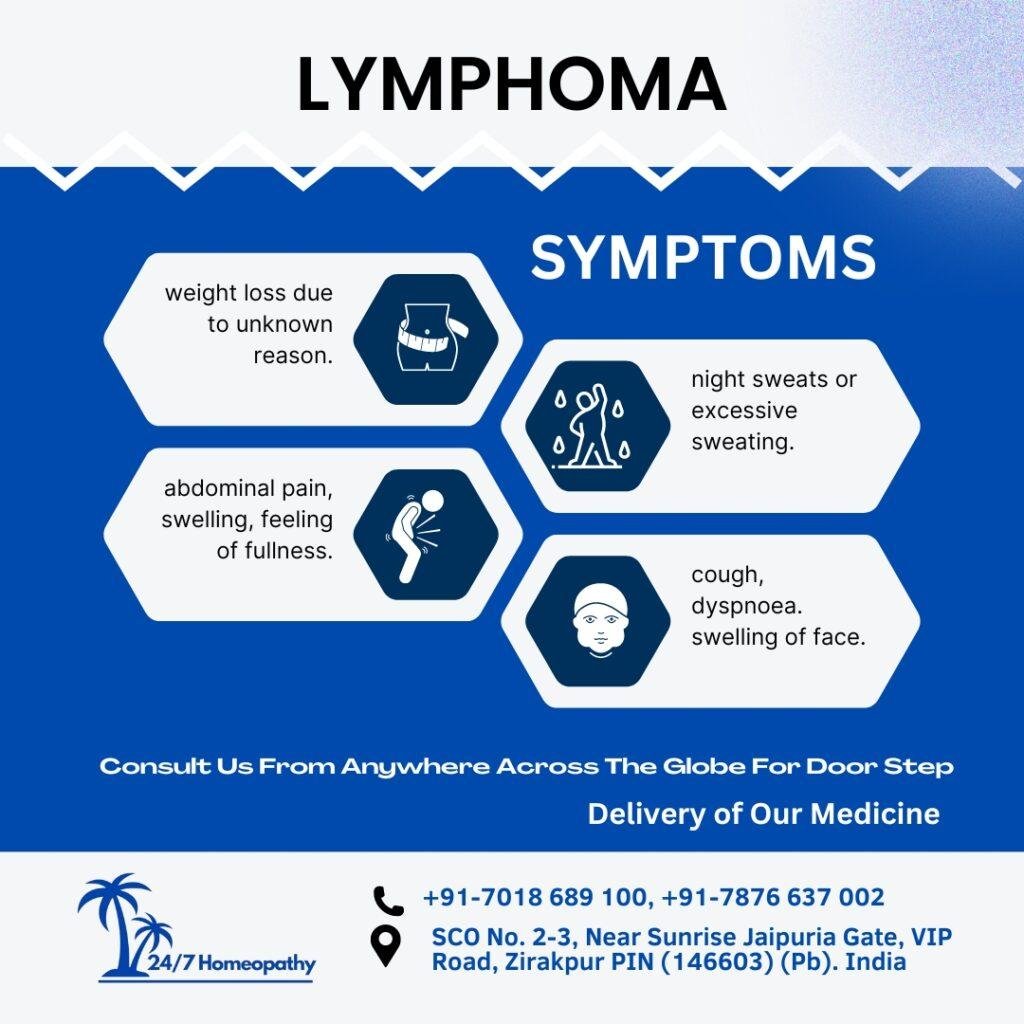
Symptoms of Lymphoma
The symptoms of lymphoma can vary depending on the type and area affected.
Common symptoms mentioned by Dr. Ruchi include:
- Swollen lymph nodes, particularly in areas such as the neck, groin and armpits
- Fatigue
- Weakness
- Unexplained weight loss
- Night sweats or excessive sweating
- Pruritus or itching
- Pain or discomfort in the area of swollen lymph nodes
- Abdominal pain
- Abdominal swelling or a feeling of fullness
- Cough
- Dyspnea or shortness of breath
- Swelling of the face
Persistent or unexplained lymph node swelling, unexplained weight loss, prolonged fatigue or repeated night sweats should be medically evaluated.
Investigations for Lymphoma
The investigations required depend on the patient’s symptoms, medical history and suspected type of lymphoma.
The investigations mentioned in Dr. Ruchi’s content include:
Biopsy
A biopsy is an important investigation for evaluating abnormal tissue and helping determine whether lymphoma is present. A bone marrow biopsy may also be performed in selected cases.
Blood Tests
Blood tests can provide information about blood cells and overall health and may assist doctors in evaluating the condition.
X-Ray
An X-ray may be used to look for abnormalities in the chest or other areas depending on the patient’s symptoms.
MRI
MRI provides detailed images of tissues and may be used in selected cases.
CT Scan
A CT scan can provide detailed images of lymph nodes, organs and other areas of the body.
PET Scan
A PET scan may help doctors evaluate areas of increased metabolic activity and assess the extent of disease.
Lumbar Puncture
A lumbar puncture may be performed in selected cases to examine cerebrospinal fluid (CSF) for cancerous cells.
Flow Cytometry
Flow cytometry can be used to analyze cells and help identify abnormal lymphocyte populations.
The exact combination of investigations varies from patient to patient.
Homeopathic Treatment Approach for Lymphoma
At 247 Homeopathy, Zirakpur, Dr. Ruchi follows an individualized homeopathic approach based on the patient’s symptoms and overall condition.
The following remedies are included in Dr. Ruchi’s original homeopathic treatment section for particular symptom patterns:
Scrophularia Nodosa
The symptom picture described includes:
- Indicated medicine in lymphoma
- Scrofulous swelling
- Nodosities in the breasts
- Swelling of lymph nodes
- Asthma in scrofulous patients
Phosphorus
The symptom picture described includes:
- Debilitated condition
- Palpitation of the heart
- Shortness of breath or dyspnea on minimal exertion
- Loose and offensive stools followed by complete exhaustion
Arsenicum Album
The symptom picture described includes:
- Dyspnea or shortness of breath
- Debility and pallor
- Marked weakness
- Profound blood-related changes
- Weak heart action
- Glandular enlargement
- Restlessness and anxiety
- Symptoms aggravated around midnight and in the afternoon
Frequently Asked Questions About Lymphoma
1. Can lymphoma cause itching without a rash?
Yes. Itching can occur in some people with lymphoma even when there is no obvious skin rash. Persistent or unexplained itching, particularly when accompanied by other symptoms, should be medically evaluated.
2. Can lymphoma cause pain in swollen lymph nodes?
Sometimes. Lymphoma-related swollen lymph nodes are often painless, but discomfort or pain can occur in some situations. A persistent or enlarging lymph node should be assessed by a healthcare professional.
3. Can lymphoma cause frequent infections?
Yes. Some types of lymphoma can affect the immune system and may make a person more vulnerable to infections. Recurrent or unusual infections should be discussed with a healthcare professional.
4. Can lymphoma cause abdominal swelling or fullness?
Yes. Lymphoma can affect lymph nodes or organs in the abdomen and may cause swelling, fullness or discomfort. Persistent abdominal swelling should be medically evaluated.
5. Can lymphoma cause shortness of breath or a persistent cough?
Yes. Lymphoma affecting lymph nodes or other structures in the chest can sometimes cause coughing or difficulty breathing. Persistent or worsening respiratory symptoms require medical assessment.
6. Can lymphoma come back after treatment?
Yes. Some types of lymphoma can recur after treatment, although the risk varies depending on the specific type, stage and response to treatment. Regular follow-up with the treating specialist is important.
Consultation at 247 Homeopathy, Zirakpur
If you are looking for an individualized homeopathic consultation for lymphoma or related symptoms, you can consult Dr. Ruchi at 247 Homeopathy, Zirakpur, Punjab.
The clinic serves patients from Zirakpur and nearby areas, including Chandigarh, Panchkula, Mohali and surrounding regions. Online consultation is also available for patients from other parts of India and worldwide.
During consultation, Dr. Ruchi can review your symptoms, health history and available medical reports to understand your individual condition.
For suspected or confirmed lymphoma, appropriate cancer diagnosis and treatment remain essential. Homeopathic care should be discussed with your treating medical team and used as a complementary approach where appropriate.
Contact 247 Homeopathy to enquire about a consultation with Dr. Ruchi.