EWING SARCOMA
Ewing sarcoma is a rare type of malignant tumour that commonly affects children, teenagers and young adults.
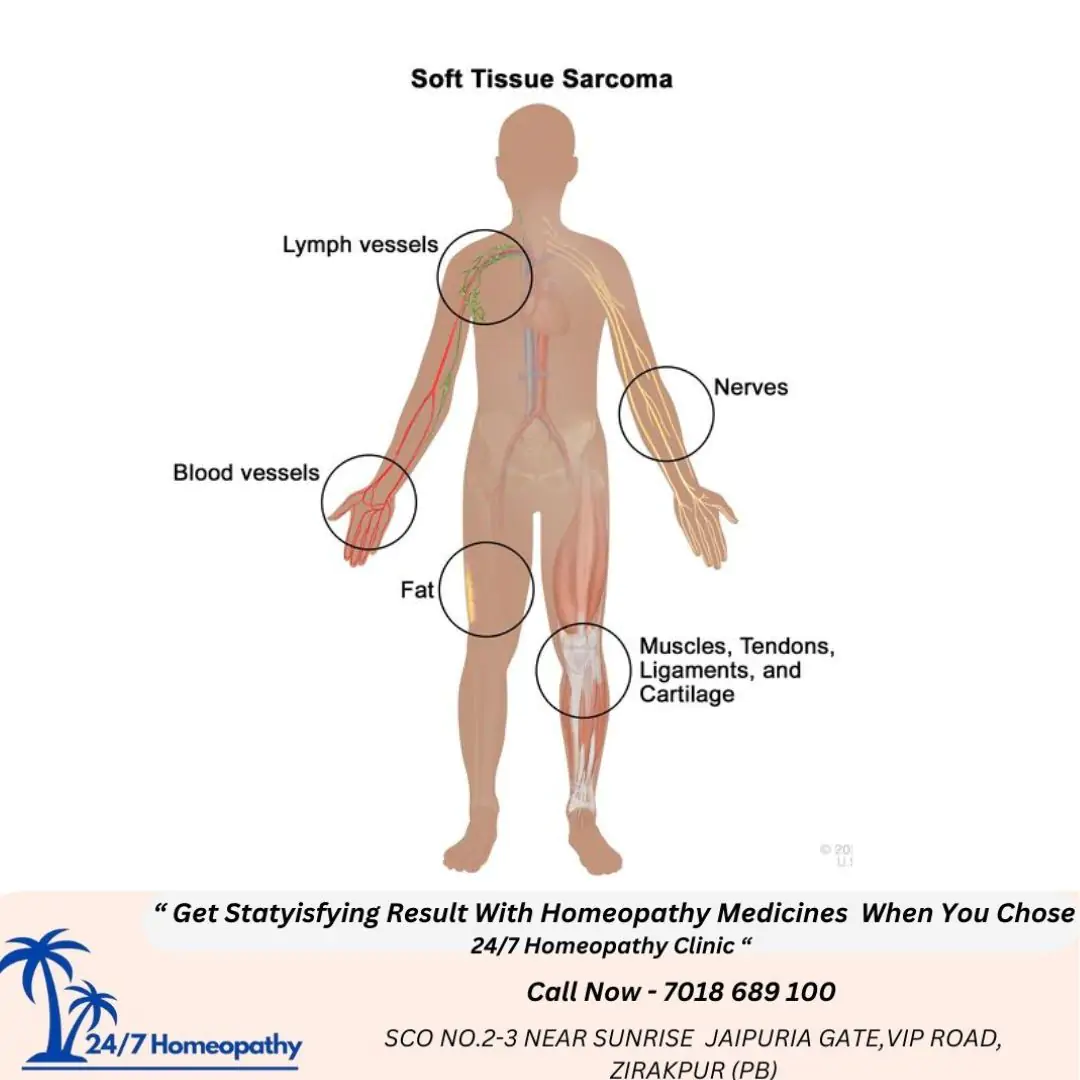
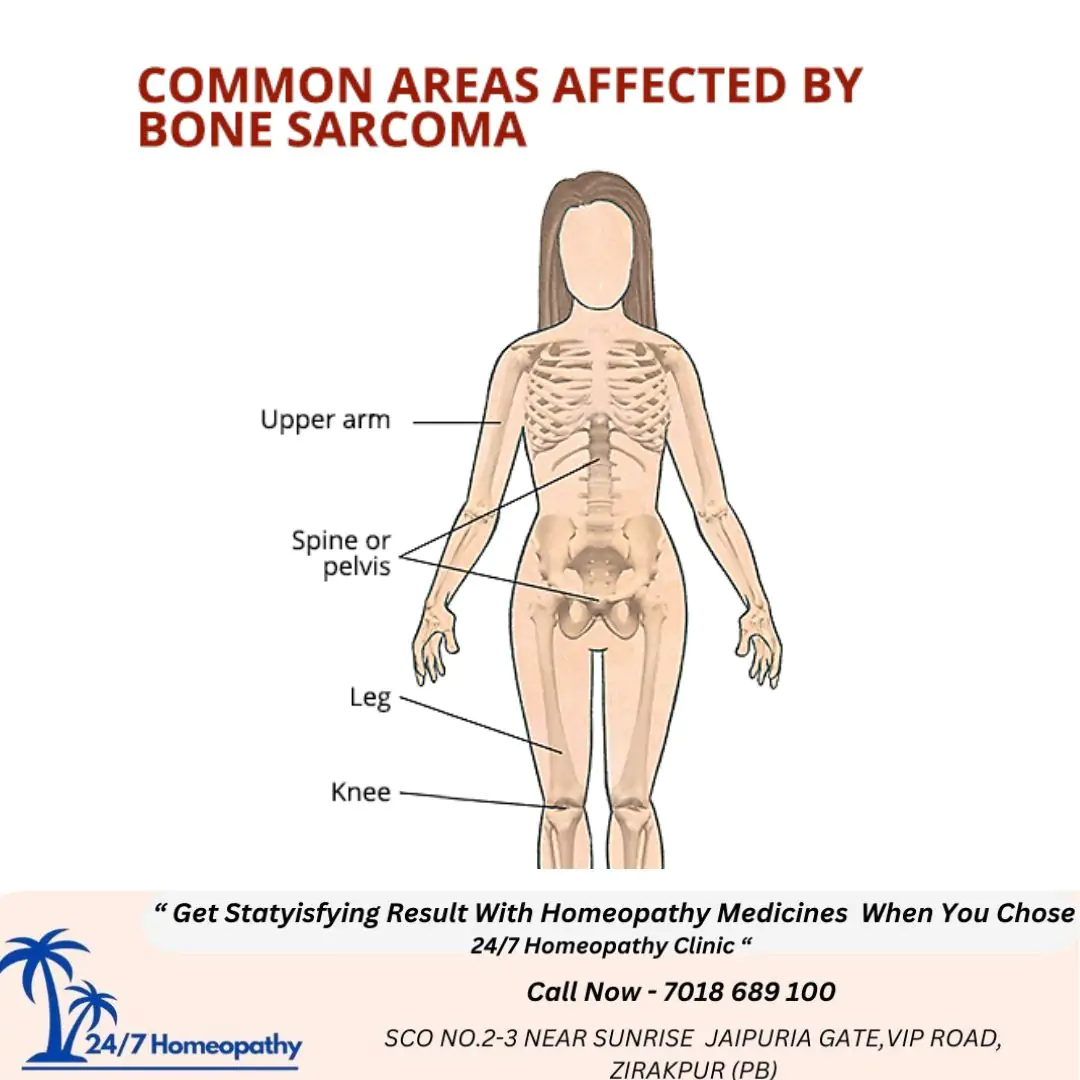
It can develop in different parts of the body, particularly the pelvis, thigh, chest wall, ribs and upper arms. The exact cause of Ewing sarcoma is not known.
If persistent pain, swelling or a lump develops in a bone or surrounding area, appropriate medical evaluation is important.
What Is Ewing Sarcoma?
Ewing sarcoma is a malignant tumour that can affect the bones and surrounding tissues. It is more commonly seen in children and young adults.
The tumour may occur in areas such as:
- Pelvis
- Thigh
- Chest wall
- Ribs
- Upper arms
The exact behaviour of the tumour can vary from one person to another. A proper medical evaluation is required to determine the nature and extent of the condition.
Causes of Ewing Sarcoma
The exact cause of Ewing sarcoma is unknown.
Changes in the DNA of cells can lead to abnormal cell growth. When abnormal cells grow uncontrollably, they can form a tumour.
At present, there is no single known cause that can explain why a particular person develops Ewing sarcoma.
Any change in DNA can lead to development of abnormal cells.
Symptoms of Ewing Sarcoma
Symptoms may vary depending on the location of the tumour.
Common symptoms include:
- Pain in the affected area
- Swelling of the affected area
- Tenderness
- Fever
- Unexplained weight loss
- Tiredness or fatigue
- A lump or swelling in some cases
Persistent pain or swelling should not be ignored, especially when it does not improve or continues to become worse.
Investigations for Ewing Sarcoma
Depending on the symptoms and clinical findings, the following investigations may be advised:
X-Ray
An X-ray can help examine the affected bone and identify abnormalities.
MRI
MRI provides detailed images of the affected area and surrounding tissues.
CT Scan
A CT scan may provide additional information about the affected area.
Bone Scan
A bone scan may be recommended to evaluate the bones and identify areas that may require further investigation.
Biopsy
A biopsy involves taking a tissue sample for examination. It may be advised when a tumour is suspected.
Blood Tests
Blood tests may be performed as part of the overall medical evaluation.
The exact investigations required depend on the patient’s symptoms and the doctor’s assessment.
Precautions and General Health Measures
There is no guaranteed way to prevent Ewing sarcoma because its exact cause is unknown.
General measures that may support overall health include:
- Follow the medical advice given by your healthcare team.
- Do not ignore persistent bone pain or swelling.
- Seek medical evaluation if a lump develops.
- Keep recommended medical appointments and investigations.
- Maintain a balanced and nutritious diet.
- Take adequate rest and maintain general physical wellbeing.
- Inform your doctor about any new or worsening symptoms.
These measures are supportive and should not replace appropriate medical evaluation or treatment.
Ewing Sarcoma Homeopathic Treatment Approach
At 247 Homeopathy, Zirakpur, Dr. Ruchi considers the patient’s individual symptoms, medical history and overall condition when discussing a homeopathic approach.
The following remedies are included in Dr. Ruchi’s original homeopathic treatment information. In traditional homeopathic practice, remedy selection is based on the individual’s symptom pattern.
Calcarea Fluorica (Calc. Fluor.)
The original homeopathic notes describe Calcarea Fluorica in symptom patterns involving:
- Pain in the affected bone or joint
- Stiffness
- Swelling and tenderness
- Sometimes redness in the affected area
- Fever
- Night sweats
- Bone-related complaints and weakness
Silicea
The original homeopathic notes describe Silicea in symptom patterns involving:
- Icy cold sensations
- Sweaty feet
- Certain chronic bone complaints
- Bone conditions such as caries and necrosis
- Tumour-related symptom patterns
- Suppurative processes
- Certain complaints involving scar tissue and fibrotic conditions
Ruta
The original homeopathic notes describe Ruta as having an action mainly associated with the periosteum and cartilages.
The symptom descriptions include:
- Deposits around the periosteum, tendons and joints
- Intense lassitude and weakness
- Pain throughout the body as if bruised
- Tenderness and pain in the affected part
- Stiffness
- Pain in the affected area
- Stiffness and pain in the bones
Frequently Asked Questions About Ewing Sarcoma
1. Can Ewing sarcoma cause pain that gets worse at night?
Yes. Pain from Ewing sarcoma may persist or worsen over time and can sometimes be more noticeable at night. Persistent bone or soft-tissue pain without a clear cause should be evaluated by a doctor.
2. Can Ewing sarcoma cause difficulty walking or moving?
Yes. If the tumour affects a bone or soft tissue near a joint or in the leg, pain and swelling may make walking or movement difficult.
3. Can Ewing sarcoma cause a bone fracture?
Yes. A tumour affecting a bone can weaken it and increase the risk of a fracture, sometimes after relatively minor trauma. An unexplained fracture should be assessed medically.
4. Can Ewing sarcoma spread to other parts of the body?
Yes. Ewing sarcoma can spread beyond where it started. Doctors may use imaging and other investigations to check whether the disease has spread and to help plan treatment.
5. Can Ewing sarcoma come back after treatment?
Yes. Ewing sarcoma can recur after treatment. Follow-up appointments and recommended tests are important so that doctors can monitor for recurrence.
6. Does Ewing sarcoma affect children more often than adults?
Ewing sarcoma occurs most often in children, teenagers and young adults. It is less common in older adults.
Consultation at 247 Homeopathy, Zirakpur
If you or a family member is experiencing symptoms associated with Ewing sarcoma or has already received a diagnosis, you can consult Dr. Ruchi at 247 Homeopathy, Zirakpur, Punjab.
During the consultation, Dr. Ruchi can review the patient’s symptoms, medical history and available medical reports before discussing an individualized homeopathic approach.
Patients may bring relevant documents such as:
- X-ray reports
- MRI reports
- CT scan reports
- Biopsy reports
- Blood test reports
- Previous prescriptions
- Other relevant medical records


