BURKITT LYMPHOMA
Burkitt lymphoma is a type of non-Hodgkin B-cell lymphoma that affects the lymphatic system. It is a rapidly growing type of lymphoma that can occur in different parts of the body, including the lymph nodes, bone marrow and other organs.
Burkitt lymphoma can occur in children as well as adults. The symptoms and areas affected can vary from person to person.
Early medical evaluation is important when symptoms such as unexplained lymph node swelling, fever, night sweats, unexplained weight loss or persistent fatigue are present.
What Is Burkitt Lymphoma?
Burkitt lymphoma develops from abnormal B lymphocytes, which are a type of white blood cell involved in the body’s immune system.
It is considered a rapidly growing lymphoma and may affect lymph nodes as well as other parts of the body. Depending on the type and location, symptoms can develop relatively quickly.
The three commonly described types of Burkitt lymphoma are:
1. Sporadic Burkitt Lymphoma
Sporadic Burkitt lymphoma occurs worldwide and is not specifically associated with the endemic pattern of Epstein-Barr virus infection.
It can affect the abdomen and other parts of the body.
2. Immunodeficiency-Related Burkitt Lymphoma
This type occurs in people with a weakened immune system. It may be associated with conditions such as HIV/AIDS or other causes of immunodeficiency.
3. Endemic Burkitt Lymphoma
Endemic Burkitt lymphoma is particularly associated with certain regions of Africa and has a strong association with Epstein-Barr virus (EBV) infection.
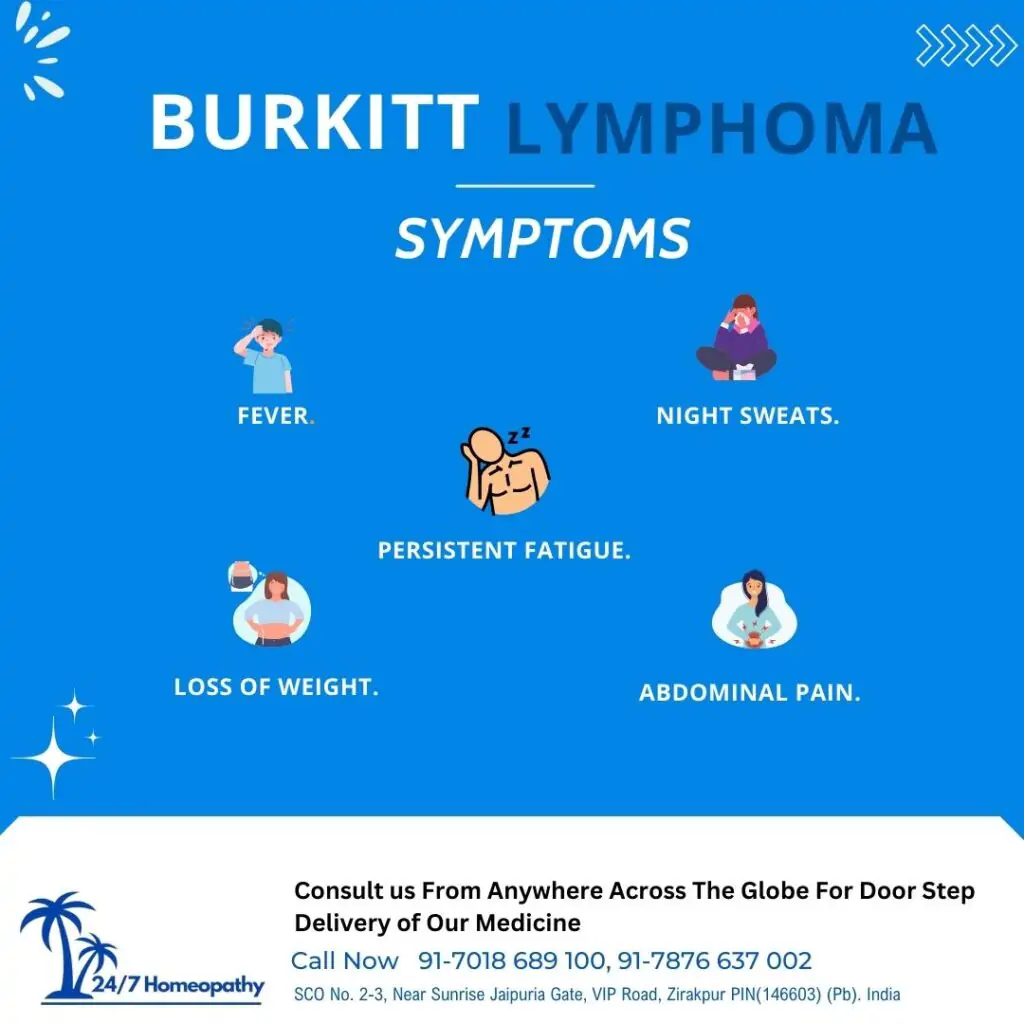
Burkitt Lymphoma Symptoms
Symptoms can vary depending on which part of the body is affected.
Common symptoms mentioned in relation to Burkitt lymphoma include:
- Swelling of lymph nodes in the neck, groin or armpits
- Fever
- Night sweats
- Unexplained weight loss
- Abdominal pain
- Persistent fatigue
- Coughing
- Shortness of breath or dyspnea
- Chest pain
Burkitt Lymphoma Causes and Risk Factors
The exact cause of Burkitt lymphoma is not always known. However, certain factors may be associated with an increased risk.
Epstein-Barr Virus Infection
Epstein-Barr virus, or EBV, is strongly associated with endemic Burkitt lymphoma. EBV infection is common in areas where endemic Burkitt lymphoma occurs.
Weakened Immune System
People with a weakened immune system, including people living with HIV/AIDS, may have an increased risk of developing immunodeficiency-related Burkitt lymphoma.
Age
Burkitt lymphoma can occur at any age. It is commonly seen in children and young adults, although adults can also develop the disease.
Genetic Factors
Changes affecting genes involved in the growth of B cells can play a role in the development of Burkitt lymphoma.
Chemicals and Environmental Exposure
The relationship between particular chemicals, toxins or pesticides and Burkitt lymphoma may vary. Such exposures should not automatically be considered a direct cause of the disease.
Having a possible risk factor does not mean that a person will necessarily develop Burkitt lymphoma.

How Is Burkitt Lymphoma Diagnosed?
When Burkitt lymphoma is suspected, doctors may recommend several investigations to understand the disease and determine how extensively it has affected the body.
Biopsy
A biopsy involves taking a sample of tissue so that it can be examined to identify abnormal lymphoma cells.
A bone marrow examination may also be performed when doctors need to determine whether the bone marrow is involved.
Blood Tests
Blood tests may be performed to assess blood cell counts and other aspects of the patient’s health.
Imaging Tests
Imaging investigations may include:
- X-ray
- CT scan
- MRI
These tests can help doctors assess affected areas and understand the extent of the disease.
Lumbar Puncture
A lumbar puncture may be performed when necessary to examine cerebrospinal fluid (CSF) for possible involvement of lymphoma cells.
Flow Cytometry
Flow cytometry may be used to analyze cells and help identify abnormal lymphoid cells and their characteristics.
The exact investigations depend on the patient’s symptoms and clinical condition.
Burkitt Lymphoma Treatment
Because Burkitt lymphoma is a rapidly growing lymphoma, a confirmed diagnosis requires evaluation by an appropriate medical specialist.
Treatment decisions depend on factors such as the type of lymphoma, areas involved, stage of disease, age and overall health.
Patients should follow the treatment plan recommended by their qualified treating specialist.
Homeopathic care should not be presented as a replacement for necessary cancer treatment.
Homeopathic Treatment Approach for Burkitt Lymphoma
SCROPHULARIA NODOSA:-
- It is indicated in lymphoma.
- Scrofulous swellings.
- Nodosities in the breasts.
- Swelling of the lymph nodes.
- Asthma in scrofulous patients.
PHOSPHORUS:-
- Indicated medicine for non- Hodgkin’s lymphoma.
- Person is related and debilitated.
- Palipitation of heart.
- Shortness of breath or dysponea on least exertion.
- Loose and offensive stools with complete exhaustion thereafter.
ARSENIC ALBUM:-
- Aggravation in midnight and afternoon.
- Dyspnea, shortness of breath, debility and pallor are marked.
- Profound blood changes.
- Heart action is weak.
- Glandular enlargement.
- Patient is very restless and anxious.
Frequently Asked Questions About Burkitt Lymphoma
Can Burkitt lymphoma cause night sweats?
Yes. Night sweats can occur with Burkitt lymphoma, although they can also have many other causes. Persistent or unexplained night sweats should be medically evaluated.
Can Burkitt lymphoma cause bone pain?
Bone pain can occur if lymphoma affects the bones or bone marrow, although it is not specific to Burkitt lymphoma. Persistent unexplained bone pain should be assessed.
Can Burkitt lymphoma cause anemia?
Yes. If Burkitt lymphoma affects the bone marrow, it can interfere with normal blood-cell production and may contribute to anemia. Blood tests can help identify abnormal blood counts.
Can Burkitt lymphoma develop outside the lymph nodes?
Yes. Burkitt lymphoma can involve organs or tissues outside the lymph nodes, including areas of the abdomen and other parts of the body. The pattern of involvement varies between individuals.
Can Burkitt lymphoma cause a swollen abdomen?
Yes. Abdominal involvement can cause swelling, fullness or an enlarged abdomen. Rapidly increasing abdominal swelling or significant abdominal pain should be assessed promptly.
Can Burkitt lymphoma progress quickly?
Yes. Burkitt lymphoma is considered a rapidly growing lymphoma. Because it can progress quickly, persistent or unexplained symptoms should be evaluated without unnecessary delay.
Consultation at 247 Homeopathy, Zirakpur
If you or a family member has persistent symptoms or has been diagnosed with Burkitt lymphoma, 247 Homeopathy in Zirakpur, Punjab, offers homeopathic consultation with Dr. Ruchi.
During the consultation, Dr. Ruchi can review the patient’s symptoms, health history and available medical reports and discuss an individualized homeopathic approach.
Patients can bring relevant medical documents such as:
- Blood test reports
- Biopsy reports
- CT/MRI reports
- Bone marrow reports
- Previous prescriptions
- Other relevant medical records
For a diagnosed or suspected Burkitt lymphoma, patients should continue appropriate evaluation and treatment from their treating medical specialist. Homeopathic care should be considered only as a complementary approach and should not delay necessary medical treatment.


