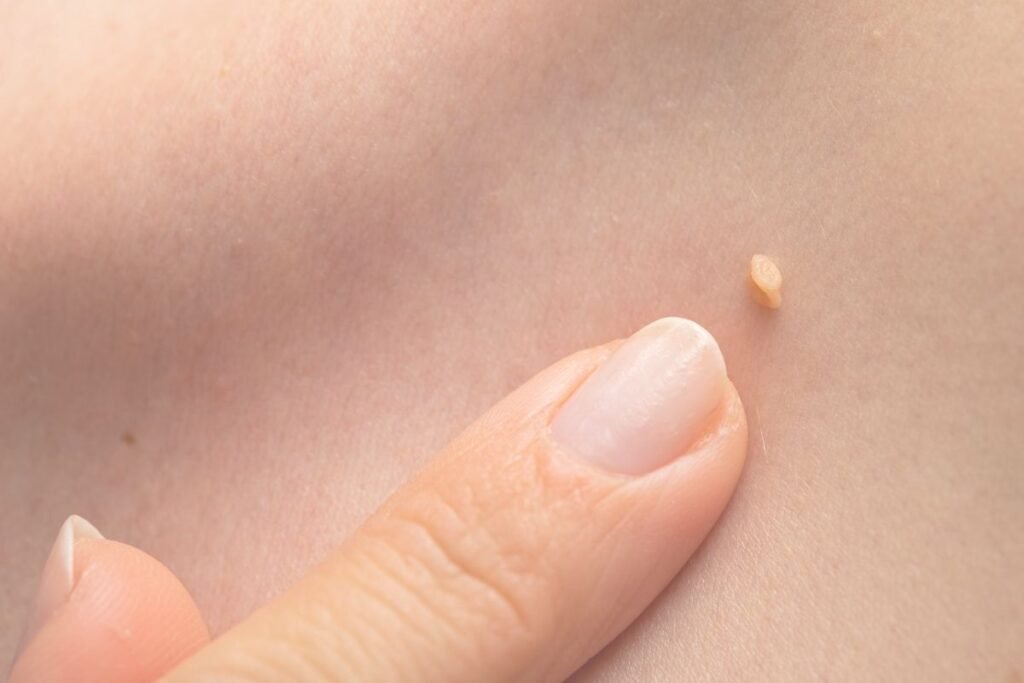
Genital warts
Genital warts are also known as condyloma acuminatum. They are small, non-cancerous growths that can appear on the skin or mucous membranes around the genital area.
Genital warts are caused by certain types of human papillomavirus (HPV) and are a sexually transmitted infection. They can affect both males and females and may appear as a single growth or as a cluster of small, raised growths.
Some types of HPV are associated with a higher risk of certain cancers, including cancers of the cervix, vulva, anus and penis. Therefore, genital growths should be properly evaluated rather than assumed to be warts.
What Are Genital Warts?
Genital warts are small, usually benign growths caused by certain strains of HPV.
They may appear as:
- Small bumps
- Clusters of bumps
- Cauliflower-like growths
- Single or multiple growths
Genital warts can vary considerably in size and may occur in different areas of the genital or anal region.
HPV types 6 and 11 are commonly associated with benign genital warts, while other HPV types, including 16 and 18, are associated with a higher risk of certain cancers.
Having genital warts does not mean that a person has cancer, but appropriate evaluation is important because different HPV types can have different health implications.
Causes of Genital Warts
Genital warts are caused by infection with certain types of human papillomavirus (HPV).
HPV can spread through skin-to-skin sexual contact with an infected person. Transmission can occur even when the infected person does not have obvious visible warts.
Factors associated with the spread or risk of genital HPV infection include:
- Sexual contact with a person who has genital warts
- Unprotected sex
- Multiple sexual partners
- A weakened immune system
- Smoking
- Mother-to-child transmission during delivery in certain circumstances
Symptoms of Genital Warts
Genital warts may not always cause symptoms. When symptoms occur, they can include:
Appearance of the Warts
Genital warts may appear as:
- Small bumps
- Single growths
- Clusters of growths
- Cauliflower-shaped growths
- Small or large growths
In Males
Genital warts may occur on:
- Penis
- Scrotum
- Anus
In Females
Genital warts may occur:
- Outside or inside the vagina
- On the vulva
- Around the perineum
- Around the anal region
Other Symptoms
Some people may experience:
- Swelling around the genital area
- Itching
- Discomfort
- Burning
- Tenderness
- Pain during sexual intercourse
- Bleeding during sexual intercourse
Some people may have HPV infection without visible genital warts or noticeable symptoms.
Risk Factors for Genital Warts
Factors that may increase the risk of genital warts or HPV infection include:
- Sexual activity at a younger age
- Multiple sexual partners
- Unprotected sexual contact
- Having sexual contact with a person who has genital warts
- Smoking
- A weakened immune system
- Certain HPV infections during pregnancy, with possible transmission to the baby during delivery
Diagnosis of Genital Warts
Genital warts are generally evaluated through examination of the affected area.
Physical Examination
A doctor may examine the genital and surrounding areas to identify the characteristic appearance of the growths.
Pap Test
A Pap test (Pap smear) may be recommended for women to check for abnormal changes in cervical cells.
HPV Testing
HPV testing may be used in appropriate situations to identify certain HPV infections and assess cervical cancer risk.
Biopsy
If a growth has an unusual appearance or the diagnosis is uncertain, a biopsy may be performed to examine the tissue and rule out other conditions, including cancerous changes.
Complications of Genital Warts
Genital warts themselves are generally non-cancerous. However, HPV infection can be associated with other health concerns.
Possible problems include:
- Bleeding
- Tenderness or discomfort during sexual intercourse
- Recurrence of genital warts
- Emotional or psychological distress related to the condition
Certain higher-risk HPV types are associated with cancers of areas such as the cervix, vulva, anus and penis.
Therefore, appropriate screening and medical follow-up are important, particularly for women who require cervical screening.
Prevention of Genital Warts
Some measures can reduce the risk of HPV infection and genital warts.
Avoid Multiple Sexual Partners
Having fewer sexual partners can reduce the likelihood of exposure to HPV.
Practice Safer Sex
Avoid unprotected sexual contact. However, because HPV can spread through skin-to-skin contact, condoms cannot eliminate the risk completely.
HPV Vaccination
HPV vaccination can help protect against HPV types associated with genital warts and certain cancers.
Vaccination is most effective when given before exposure to HPV. The appropriate age and vaccination schedule can vary depending on the person’s age and circumstances, so discuss HPV vaccination with a qualified healthcare professional.
Homeopathic Management of Genital Warts
At 247 Homeopathy in Zirakpur, Dr. Ruchi follows an individualized homeopathic approach based on the patient’s symptoms, location and characteristics of the genital warts.
The following medicines are included in Dr. Ruchi’s original homeopathic management section:
1. Nitricum Acidum
Nitricum Acidum is traditionally considered in homeopathic practice for warts and certain genital complaints.
The symptom picture described includes:
- Warts
- Vaginal irritation or inflammation
- Sore eruptions on the external genital area
- Itching and burning in males
- Soreness and burning of the glans and beneath the prepuce
2. Thuja Occidentalis
Thuja Occidentalis is traditionally considered in homeopathic practice for venereal or genital warts.
The symptom picture described includes:
- Warty growths on the vulva and perineum
- Cauliflower-like growths that may bleed easily
- Condylomatous growths on male genitals
- Increased sensitivity of the affected area
- Offensive genital odour
- Other associated genital symptoms
3. Sepia
Sepia is traditionally considered in homeopathic practice for genital wart complaints.
The symptom picture described by Dr. Ruchi includes:
- Condylomatous growths around the head of the penis
- Cutting pain in the testes
- Itching and dryness of the genital area
- Cracks affecting the prepuce
4. Medorrhinum
Medorrhinum is traditionally considered in homeopathic practice for genital warts and certain venereal complaints.
The symptom picture described includes:
- Sycotic-type warts on the genitals
- Genital symptoms associated with a history of gonorrheal infection
- Heaviness in the perineal region
- Increased sexual drive
Frequently Asked Questions About Genital Warts
Can genital warts go away on their own?
Yes. Genital warts may sometimes disappear without treatment, but they can also persist or return. A healthcare professional can help determine whether a growth is actually a genital wart and discuss appropriate management.
Can genital warts spread to other parts of the body?
HPV can spread through contact with infected skin, including during sexual contact. New growths around the genital or anal area should be evaluated rather than assumed to be genital warts.
Can genital warts come back after treatment?
Yes. Genital warts can recur after treatment because treatment removes visible warts but may not eliminate HPV from the body immediately. Follow-up may be recommended if new growths appear.
Can genital warts be present without symptoms?
Yes. Some people may have genital warts without significant pain, itching or other symptoms. A new genital or anal growth should be examined by a healthcare professional for an accurate diagnosis.
Can genital warts affect pregnancy?
Genital warts can occur during pregnancy. Hormonal and immune changes may affect their size or appearance, so pregnant people with genital warts should discuss evaluation and treatment options with their healthcare professional.
Can genital warts be treated?
Yes. Treatment options are available for visible genital warts, although the appropriate approach depends on their size, number, location and other factors. A healthcare professional can recommend a suitable treatment and assess any suspicious or changing growths.
Consultation at 247 Homeopathy
If you have genital warts, unusual genital growths, itching, burning, discomfort or other genital symptoms, you can consult Dr. Ruchi at 247 Homeopathy in Zirakpur, Punjab.
247 Homeopathy provides consultations for patients in Zirakpur and nearby areas, as well as online consultations for patients across India and worldwide.
Consult Dr. Ruchi at 247 Homeopathy, Zirakpur, or enquire about an online consultation from anywhere in the world.