NON SMALL CELL LUNGS CANCER
Non small cell lungs cancer is one of primary lungs cancer in which epithelial cell of lungs tissues become cancerous and start growing abnormally
There are subtype of NSCLC according to type of cell includes:
These types are-
Adenocarcinoma –
- Involve cell that secrete mucus
- Seen in people are addicted to smoking but also develop in non smokers
- Compared to other type of cancer this cancer is more likely to occur in younger.
Squamous cell carcinoma –
- Start in squamous cell
- Patient have history of smoking
Large cell carcinoma-
- It develop in any portion of lungs and spread quickly
Other-
- less common NSCLC( non small cell lung cancer)
NON SMALL CELL LUNGS CANCER CAUSE:
Risk factors that increase the chance to get affected with cancer are:
- Exposure to smoke
- History of smoking or currently smoker
- Exposure to dust, chemicals
- COPD ( chronic obstructive pulmonary disease)
- Pollution
- Radiation therapy
- Asbestos exposure or small quantity for longer periods continuously leads to lungs disease.
- HIV/ AIDS
The exact cause what leads to NSCLC is not known but mainly people with history of smoking or currently smoking develop this cancer.
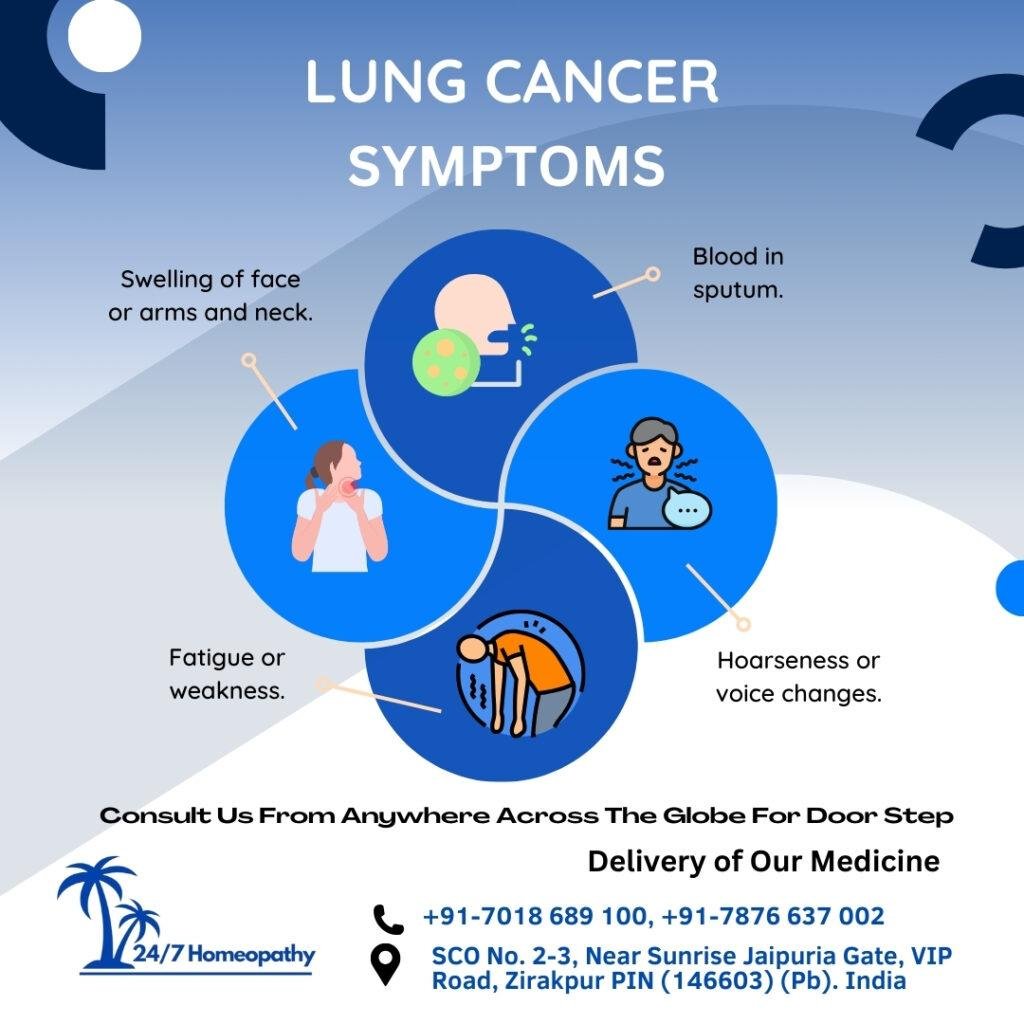
Symptoms of Non Hodgkin Lymphoma
Symptoms depend on the type, size and location of the lymphoma.
Common symptoms mentioned in the doctor’s content include:
- Unexplained weight loss
- Persistent fatigue and weakness
- Enlarged lymph nodes in the neck, armpits, abdomen or groin
- Frequent infections
- Easy bruising or bleeding
- Chest pain or pressure
- Persistent cough
- Difficulty breathing or shortness of breath
- Fever
- Night sweats
- Feeling full after eating only a small amount
- Nausea or vomiting
- Headache
- Difficulty thinking or confusion when the central nervous system is involved
- Itching, redness or bumps on the skin when lymphoma affects the skin
Enlarged Lymph Nodes
A painless swelling or enlargement of lymph nodes is one of the symptoms that can occur with lymphoma.
However, enlarged lymph nodes are much more commonly caused by infections and other non-cancerous conditions. Persistent, unexplained or progressively enlarging lymph nodes should be evaluated by a healthcare professional.
Diagnosis of Non Hodgkin Lymphoma
Diagnosis generally requires more than a physical examination because there are many different types of lymphoma.
The doctor’s existing content includes the following investigations:
Physical Examination
The doctor may check for enlarged lymph nodes, spleen enlargement and other physical findings.
Biopsy
A biopsy is an important part of diagnosing lymphoma. The appropriate type of biopsy depends on the individual’s situation and the location of the suspected lymphoma.
Bone Marrow Examination
A bone marrow aspiration or other bone marrow testing may be recommended in selected cases to determine whether the lymphoma involves the bone marrow.
Fluid Testing
The doctor’s content mentions:
- Thoracentesis — collecting fluid from around the lungs when required for evaluation
- Paracentesis — collecting fluid from the abdomen when required
Imaging Tests
Depending on the situation, imaging may include:
- CT scan
- X-ray
- MRI
- Ultrasound
Blood Tests
Blood investigations may include:
- Complete blood count (CBC)
- Blood chemistry tests
Chromosome and Molecular Testing
The doctor’s content mentions:
- FISH
- PCR
- Cytogenetic testing
These tests can help identify specific genetic or chromosomal changes in certain lymphoma subtypes.
Precautions and Lifestyle Tips
The following measures from the doctor’s content can support overall health:
- Quit smoking.
- Limit alcohol consumption.
- Maintain a healthy weight.
- Eat a balanced and nutritious diet.
- Exercise regularly according to your health condition.
- Avoid unnecessary exposure to radiation and potentially harmful chemicals.
- Maintain good personal hygiene.
- Seek appropriate medical care for infections and other illnesses.
- Follow your treating doctor’s advice if you have a condition affecting immune function.
These measures support general health but should not be considered a guaranteed method of preventing lymphoma.
Homeopathic Treatment Approach
The following medicines are included in Dr. Ruchi’s existing homeopathic treatment section. The symptom indications have been retained and organized for patient-friendly reading.
Arsenicum Album
The doctor’s content mentions:
- Gradual loss of weight
- Marked weakness and exhaustion
- Great exhaustion after slight exertion
- Loss of appetite
- Nausea and vomiting after eating or drinking
- Unhealthy gums that bleed easily
- Swollen and painful abdomen
- Enlarged liver and spleen
- Cough with a suffocating sensation, particularly when lying down
- High-grade fever
Phosphorus
The symptom indications mentioned include:
- Swollen gums that bleed easily
- Blue rings around the eyes
- Frequent belching with a large amount of gas after eating
- Abdominal inflammation or discomfort
- Sharp or cutting pain involving the liver and spleen
- Enlarged liver and spleen
- Weakness and trembling after exertion
- Wounds that bleed easily
- Cough with chest pain and congestion
Iodium
The doctor’s content includes:
- Marked weakness and loss of body weight
- Great debility with sweating after slight effort
- Shortness of breath and weakness on exertion, such as climbing stairs
- Soreness and enlargement of the liver and spleen
- Enlarged mesenteric glands
- Loose gums that bleed easily
- Dry cough with laryngeal pain
- Inflamed and painful joints
Frequently Asked Questions
Can Non-Hodgkin lymphoma cause itching without a rash?
Yes. Persistent itching without an obvious rash can occur in some people with Non-Hodgkin lymphoma. Unexplained or ongoing itching should be discussed with a healthcare professional.
Can Non-Hodgkin lymphoma cause pain in the lymph nodes?
Lymph nodes affected by Non-Hodgkin lymphoma are often painless, although discomfort or pain can occur in some situations. Persistent or enlarging lymph nodes should be medically evaluated.
Can Non-Hodgkin lymphoma cause a lump in the neck or armpit?
Yes. Non-Hodgkin lymphoma can cause enlarged lymph nodes that may feel like lumps in areas such as the neck, armpits, or groin. A persistent or growing unexplained lump should be assessed.
Can Non-Hodgkin lymphoma cause shortness of breath?
Yes. Lymphoma involving the chest can sometimes cause coughing, chest discomfort, or difficulty breathing. New or worsening breathing difficulty should receive prompt medical attention.
Can Non-Hodgkin lymphoma cause night sweats?
Yes. Night sweats can occur with Non-Hodgkin lymphoma and may be particularly concerning when they are persistent or occur along with unexplained fever, weight loss, or enlarged lymph nodes.
Can Non-Hodgkin lymphoma spread to the bone marrow?
Yes. Some types of Non-Hodgkin lymphoma can involve the bone marrow. Doctors may perform blood tests, imaging, or bone marrow testing when needed to determine whether the lymphoma has affected it.
Consultation at 247 Homeopathy
If you have been diagnosed with Non Hodgkin lymphoma and would like to discuss complementary homeopathic care, you can consult Dr. Ruchi at 247 Homeopathy, Zirakpur, Punjab.
247 Homeopathy serves patients from Zirakpur and nearby areas, while online consultation can also support patients from other parts of India and worldwide.
For confirmed or suspected lymphoma, homeopathic care should remain complementary to appropriate hematology and oncology treatment. Do not stop or delay prescribed cancer treatment.
Consult Dr. Ruchi at 247 Homeopathy, Zirakpur, to discuss your individual symptoms and complementary care approach.


