Dyslexia
Dyslexia is a learning difference that mainly affects reading, spelling, writing and the processing of written language. It is usually identified during childhood, although some people may not be diagnosed until adolescence or adulthood.
A child with dyslexia may have normal or above-average intelligence but still find reading, spelling or written work unusually difficult. Dyslexia is not caused by laziness, lack of intelligence or poor effort. With appropriate educational support and early intervention, children with dyslexia can develop effective strategies for learning.
Dyslexia can affect each person differently. Some children may mainly struggle with reading and spelling, while others may also have difficulties with language processing, memory, sequencing or written expression.
What Is Dyslexia?
Dyslexia is a neurological learning difference that affects the way the brain processes language, particularly the ability to identify and manipulate the sounds of spoken language and connect them with letters and words.
It is generally a lifelong condition, although the difficulties can be managed effectively with appropriate educational support and learning strategies.
Dyslexia is broadly described as:
Developmental Dyslexia
Developmental dyslexia begins during childhood and is usually associated with difficulties in learning to read, spell and process written language.
Acquired Dyslexia
Acquired dyslexia can develop after damage to areas of the brain involved in reading and language, such as after a stroke or brain injury.
Causes and Risk Factors of Dyslexia
There is no single cause of dyslexia. Research suggests that genetic and neurological factors play an important role.
Possible factors associated with dyslexia include:
- Family history: Children with a close family member who has dyslexia may have a higher likelihood of developing it.
- Differences in language processing: The brain may process sounds and written language differently.
- Genetic factors: Several genes may contribute to the development of dyslexia.
- Brain injury or stroke: Acquired reading difficulties can occur following damage to relevant areas of the brain.
- Associated learning difficulties: Some children may have dyslexia alongside attention, language or other learning difficulties.
It is important to remember that dyslexia is not simply a problem with eyesight or hearing, although vision and hearing assessments may be part of a child’s overall evaluation.
Symptoms of Dyslexia
Symptoms can vary according to age and the individual child.
Common Signs in Children
A child with dyslexia may have:
- Difficulty learning letters and their sounds
- Difficulty reading words correctly
- Slow or hesitant reading
- Difficulty reading aloud
- Frequent spelling mistakes
- Difficulty remembering the correct spelling of familiar words
- Difficulty writing or organizing written work
- Difficulty understanding or remembering what they have read
- Difficulty following sequences or instructions
- Difficulty learning new vocabulary
- Problems distinguishing or manipulating individual sounds in words
- Difficulty completing reading or writing tasks within the expected time
- Frustration or reduced confidence related to schoolwork
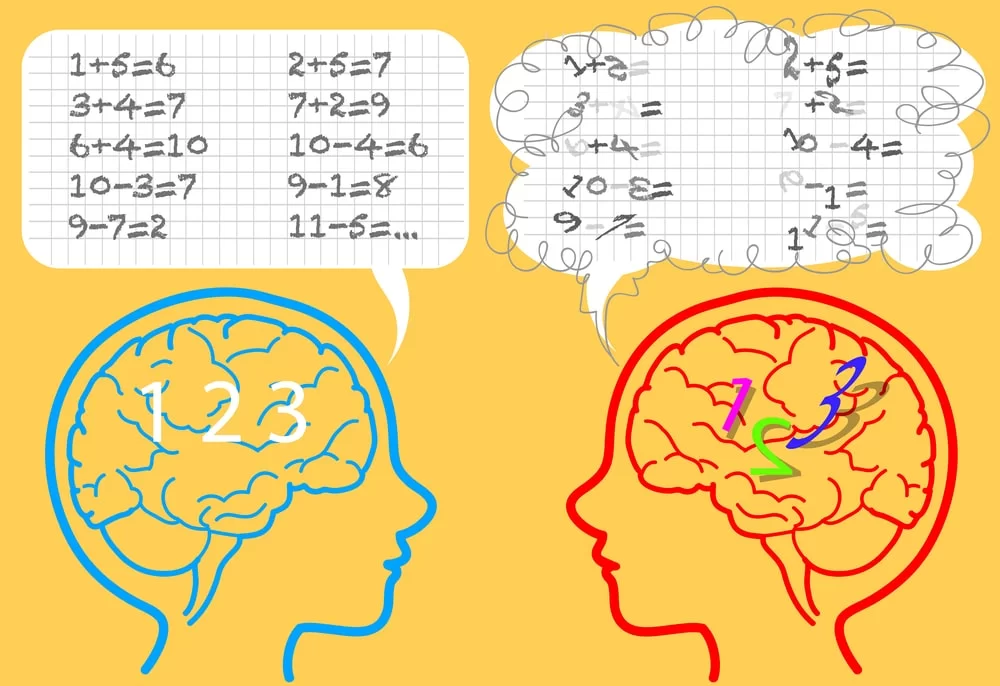
Some children may also experience difficulty with mathematics, concentration or memory. However, mathematical difficulties such as dyscalculia are different from dyslexia, even though they can occur together.
Types and Patterns of Dyslexia
Dyslexia can present in different ways. Some commonly described patterns include:
Phonological Dyslexia
The child has difficulty identifying and manipulating the sounds within words and connecting sounds with letters.
Surface Dyslexia
The person may have difficulty recognizing familiar words automatically and may rely heavily on sounding words out.
Rapid Naming Difficulties
The person may take longer to quickly name familiar objects, letters or numbers.
Double-Deficit Pattern
Some individuals have both phonological difficulties and difficulties with rapid naming.
These patterns are useful for understanding a person’s learning difficulties, but dyslexia should be assessed individually rather than diagnosed solely on the basis of a particular symptom.
Diagnosis of Dyslexia
Dyslexia cannot be diagnosed simply by observing that a child is performing poorly in school.
A proper assessment may consider:
- Reading and spelling ability
- Language and phonological skills
- Memory and processing abilities
- School performance
- Developmental history
- Family history
- Hearing and vision
- Other learning or developmental difficulties
A child may be assessed by professionals such as a pediatrician, psychologist, educational specialist, speech-language professional or other qualified healthcare provider depending on the child’s needs.
Early assessment can help parents and teachers understand the child’s learning difficulties and arrange appropriate educational support.
Management and Support for Dyslexia
There is no need to blame or pressure a child for difficulties caused by dyslexia. Support should focus on the child’s individual learning needs.
Helpful approaches may include:
- Providing structured reading instruction
- Using phonics and sound-based learning strategies
- Giving additional time for reading and written tasks when appropriate
- Encouraging reading without creating excessive pressure
- Using visual and auditory learning methods
- Breaking large tasks into smaller steps
- Working closely with teachers and educational specialists
- Supporting the child’s confidence and emotional well-being
- Encouraging the child’s strengths outside reading and writing
Parents should seek professional assessment when persistent reading or writing difficulties interfere with school performance.
Homeopathic Treatment Approach for Dyslexia
At 247 Homeopathy, homeopathic care is approached on an individual basis. The symptoms, learning difficulties, emotional characteristics and overall health of the child are considered before selecting a remedy.
The remedies mentioned in the doctor’s original clinical content include:
Lycopodium
Lycopodium is traditionally considered when a child has difficulties with learning and writing, weak memory and problems with spelling. The child may be introverted and have difficulty learning a language or expressing words correctly.
Baryta Carbonica
Baryta carbonica is traditionally considered when learning difficulties are accompanied by low confidence and mental confusion.
Kali Phosphoricum
Kali phosphoricum is traditionally considered when forgetfulness, reduced mental stamina and difficulty with concentration or learning are prominent.
Sambucus
Sambucus has been included in the doctor’s approach for children who have particular difficulty with mathematical work and may make repeated mistakes while writing or performing calculations.
When Should Parents Seek Professional Help?
Parents should consider an assessment if a child consistently:
- Struggles to learn letters and sounds
- Has significant difficulty reading despite regular teaching
- Makes persistent spelling errors
- Avoids reading or writing activities
- Falls considerably behind expected academic skills
- Becomes unusually frustrated or loses confidence because of schoolwork
Early support can make learning easier and help prevent unnecessary academic and emotional difficulties.
FAQs About Dyslexia
Can dyslexia cause problems with spelling?
Yes. Dyslexia can make it difficult to spell words accurately, remember spelling patterns and connect letters with their corresponding sounds.
Can dyslexia affect writing skills?
Yes. Some people with dyslexia may have difficulty organizing written work, putting thoughts into words or writing accurately and efficiently. The extent of these difficulties can vary.
Can dyslexia affect speaking or understanding language?
Dyslexia mainly affects reading and related language skills, but some people may also have difficulties with word retrieval, sequencing sounds or processing certain aspects of spoken language.
Can dyslexia be diagnosed in teenagers or adults?
Yes. Dyslexia can be identified later in life, even if difficulties were not recognized during childhood. An appropriate assessment can help identify reading and language difficulties and guide support.
Does dyslexia run in families?
Dyslexia can occur in families, suggesting that genetic factors may play a role. Having a close family member with dyslexia may increase the likelihood of experiencing similar reading difficulties.
What kind of assessment is used to diagnose dyslexia?
Assessment may examine reading, spelling, language and other learning skills. A qualified pro
Consult 247 Homeopathy in Zirakpur
If your child is experiencing persistent difficulties with reading, spelling, writing, memory or learning, a proper developmental and educational assessment is important.
At 247 Homeopathy, Zirakpur, Dr. Ruchi provides individualized consultations based on the child’s symptoms and overall health. Homeopathic care, where chosen, should be considered complementary to appropriate educational and professional support.
Consult Dr. Ruchi at 247 Homeopathy, Zirakpur, for individualized guidance regarding your child’s health and learning concerns. Online consultation options can also be considered for families who are unable to visit the clinic.


