CARBUNCLE
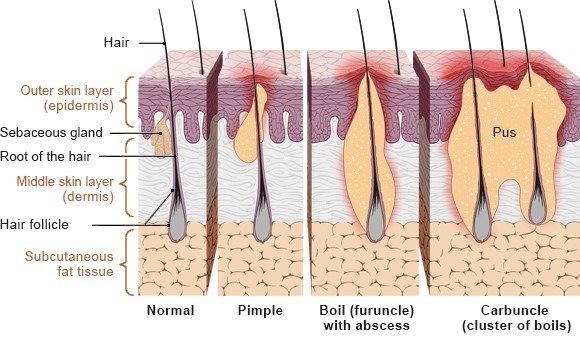
A carbuncle is a cluster of connected boils that forms under the skin and contains pus. It is usually caused by a bacterial infection, most commonly involving Staphylococcus aureus. Carbuncles can be painful and may drain pus through one or more openings in the skin.
They commonly develop on areas such as the back of the neck, shoulders, thighs or buttocks. Unlike a single boil, a carbuncle involves several interconnected infected hair follicles and deeper inflammation.
At 247 Homeopathy in Zirakpur, Dr. Ruchi provides individualized consultations for patients with skin conditions such as carbuncles. Online consultations are also available for patients across India and worldwide.
What Is a Carbuncle?
A carbuncle is a group of interconnected boils (furuncles) caused by infection and inflammation around multiple hair follicles.
It usually begins as a painful, red and swollen area under the skin. As the infection develops, several pus-filled areas may join together. The affected area can become larger, tender and increasingly painful.
A carbuncle may eventually drain pus onto the skin. Because the infection can spread, appropriate assessment and treatment are important, particularly when the lesion is large, recurrent or associated with fever.
Causes of Carbuncle
Carbuncles are most often caused by bacterial infection, particularly Staphylococcus aureus. Bacteria can enter the skin through a hair follicle, small cut, scratch or other break in the skin.
Possible contributing factors include:
- Bacterial infection of hair follicles
- A previous or recurrent boil
- Folliculitis
- Cuts, scratches or other breaks in the skin
- Insect bites followed by bacterial infection
- Conditions that affect the body’s ability to fight infection
- Poor skin hygiene may increase the risk in some circumstances
Carbuncles are not simply caused by poor hygiene. People with good hygiene can also develop them.
Symptoms of Carbuncle
A carbuncle can cause a number of noticeable skin symptoms.
Common signs include:
- A painful, red lump under the skin
- A cluster of boils or pus-filled bumps
- Increasing swelling and tenderness
- Pus draining from one or more openings
- Warmth around the affected skin
- Pain that may become significant as the infection progresses
- Fever or feeling generally unwell, particularly with a more significant infection
The size of a carbuncle can vary. Some are relatively small, while others can become considerably larger and deeper.
Carbuncle Risk Factors
Some people are more likely to develop carbuncles than others.
Risk factors may include:
- Previous boils or folliculitis
- Recurrent skin infections
- Diabetes
- A weakened immune system
- Certain chronic health conditions
- Close skin-to-skin contact with someone carrying the causative bacteria
- Sharing personal items such as towels or clothing with an infected person
- Skin injury or repeated irritation
People with diabetes may be at greater risk of developing skin infections and may experience slower healing. Recurrent or difficult-to-heal carbuncles should therefore be medically assessed.
Is a Carbuncle Contagious?
The carbuncle itself does not spread like a viral rash, but the bacteria causing the infection can spread to other people.
Contact with pus or drainage from an infected lesion can transfer bacteria. Sharing towels, clothing, razors or other personal items may also contribute to transmission.
Keep the affected area covered when appropriate, wash your hands after touching the lesion and avoid sharing personal items.
Diagnosis of Carbuncle
A carbuncle can often be diagnosed by examining the affected skin.
If the infection is recurrent, severe or not responding to treatment, a healthcare professional may recommend testing a sample of the drainage to identify the bacteria responsible and determine appropriate treatment.
Additional assessment may be needed when there are signs of a deeper infection or an underlying condition such as diabetes.
When Should You See a Doctor?
A carbuncle can sometimes require medical treatment, especially when it is large, painful or associated with systemic symptoms.
Seek medical attention if:
- You have a large or rapidly growing carbuncle
- You develop fever or chills
- Redness or swelling is spreading around the lesion
- The infection is close to the eye, nose or another sensitive area
- You have diabetes or an impaired immune system
- The carbuncle keeps returning
- The lesion does not improve
- You develop increasing pain or swelling
- You feel significantly unwell
Some larger abscesses and carbuncles may need professional drainage, and bacterial infections may require antibiotics depending on the clinical situation.
Home Care and Precautions
Good skin care and avoiding the spread of infection can help protect you and others.
Keep the Area Clean
Gently clean the affected skin as advised by your healthcare professional. Avoid squeezing, piercing or attempting to drain the carbuncle yourself.
Use Warm Compresses
A clean, warm compress may provide comfort and may encourage natural drainage in some uncomplicated lesions. It should not be used as a substitute for medical assessment when the infection is severe.
Wash Your Hands
Wash your hands thoroughly after touching the affected area or changing a dressing.
Do Not Share Personal Items
Avoid sharing:
- Towels
- Clothes
- Bedding
- Razors
- Washcloths
Wash potentially contaminated clothing, towels and bedding regularly and dry them thoroughly.
Avoid Squeezing the Carbuncle
Trying to squeeze or puncture a carbuncle can worsen tissue damage and potentially spread the infection.
Homeopathic Treatment Approach for Carbuncle
At 247 Homeopathy, Zirakpur, Dr. Ruchi takes an individualized approach when discussing homeopathic care for skin complaints. The patient’s symptoms, appearance of the lesion, pain, discharge, recurrence and overall health are considered before selecting a remedy.
The following medicines were included in Dr. Ruchi’s original homeopathic treatment section. They are described here as traditional homeopathic indications, not as proven treatments for bacterial infection.
Anthracinum
Anthracinum is traditionally considered in homeopathy for severe boil-like eruptions, carbuncles and ulcers associated with marked inflammation, swelling and purulent discharge.
Silicea
Silicea is traditionally considered for boils, abscesses and recurrent or slow-healing skin lesions. In the original clinical notes, it is particularly associated with carbuncles involving the nape of the neck and shoulder region.
Carbolic Acid
Carbolic acid is traditionally considered in homeopathic practice when carbuncles are associated with difficult healing and offensive discharge. The original notes also mention its consideration in cases associated with diabetes.
Mercurius Iodatus
Mercurius iodatus may be considered traditionally in the early stage of certain boil-like or carbuncle presentations when there is marked inflammation, severe pain and throbbing.
FAQs About Carbuncle
Can a carbuncle cause a fever?
Yes. A larger or more severe carbuncle may be accompanied by fever or feeling generally unwell, especially if the infection is spreading.
What does a carbuncle look like?
A carbuncle often appears as a painful, swollen area of skin containing several connected pus-filled bumps or openings. The surrounding skin may be red, warm and tender.
Can a carbuncle leave a scar?
Yes. Because carbuncles can involve deeper layers of the skin, healing may sometimes leave a scar or change in skin color.
Can a carbuncle come back after it heals?
Yes. Some people may develop carbuncles again, particularly if they are prone to recurrent skin infections or have underlying risk factors. Repeated episodes should be discussed with a healthcare professional.
How long does a carbuncle take to heal?
Healing time varies depending on the size and depth of the infection and whether treatment is needed. Larger carbuncles may take longer to heal and should be assessed if they are not improving.
Can a carbuncle cause swollen lymph nodes?
Yes. A nearby bacterial skin infection can sometimes cause lymph nodes in the surrounding area to become swollen or tender. Persistent or significant swelling should be evaluated.
Carbuncle Treatment in Zirakpur and Online Worldwide
If you have a carbuncle, recurrent boils or another persistent skin concern, Dr. Ruchi at 247 Homeopathy, Zirakpur can assess your symptoms and discuss an individualized approach to care.
Patients can consult the clinic from Zirakpur and nearby areas, including Chandigarh, Panchkula, Mohali, Dera Bassi and surrounding regions.
Online consultations are also available for patients across India and worldwide, providing access to consultation when visiting the clinic in person is not convenient.
For a large, painful, recurrent or infected skin lesion, appropriate medical evaluation should not be delayed.
Consult Dr. Ruchi at 247 Homeopathy to discuss your skin symptoms and determine the appropriate next steps.