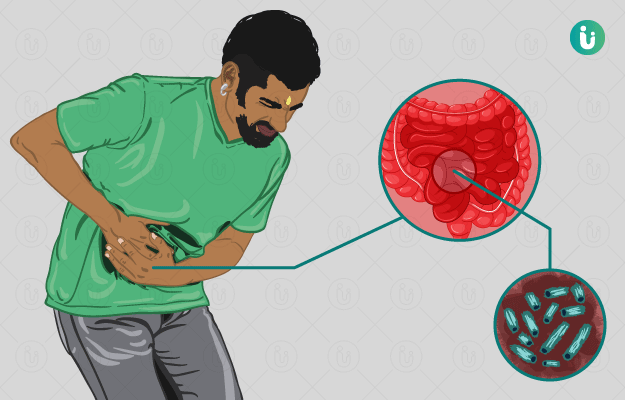
Dysentery
Dysentery is an intestinal infection or inflammation that causes diarrhea, abdominal cramps and frequent loose stools that may contain blood or mucus. It can be caused by bacteria or parasites and commonly spreads through contaminated food or water.
Because dysentery can lead to dehydration and, in some cases, serious complications, persistent diarrhea or blood in the stool should not be ignored.
What Is Dysentery?
Dysentery mainly affects the large intestine (colon) and causes inflammation of the intestinal lining.
The two important forms described in the doctor’s content are:
- Bacillary dysentery: Usually caused by bacteria of the Shigella group and also known as shigellosis.
- Amoebic dysentery: Caused by the parasite Entamoeba histolytica.
Both types can cause diarrhea and abdominal discomfort, but their symptoms, duration and treatment may differ.
Causes of Dysentery
Dysentery commonly spreads through the fecal-oral route, when microscopic amounts of infected stool contaminate food, water or hands.
Possible causes and risk factors include:
- Drinking contaminated water.
- Eating contaminated food.
- Poor hand hygiene.
- Eating food prepared in unhygienic conditions.
- Contact with an infected person.
- Swimming in contaminated water.
- Inadequate sanitation.
- Certain intestinal infections caused by bacteria or parasites.
Good hygiene and safe food and water practices can significantly reduce the risk of infection.
Types of Dysentery
1. Bacillary Dysentery
Bacillary dysentery is commonly associated with Shigella bacteria.
Symptoms can begin relatively soon after infection and may include:
- Frequent diarrhea.
- Abdominal cramps.
- Fever.
- Nausea and vomiting.
- Blood or mucus in the stool.
- Weakness and fatigue.
The severity can vary from mild illness to more significant infection.
2. Amoebic Dysentery
Amoebic dysentery is caused by Entamoeba histolytica, a parasite that can infect the intestine.
Symptoms may include:
- Diarrhea containing blood or mucus.
- Abdominal pain or cramps.
- Nausea.
- Fever or chills.
- Weakness.
- Weight loss.
- Diarrhea that may alternate with constipation.
Amoebic infection can sometimes spread beyond the intestine and cause an amoebic liver abscess, which requires medical treatment.
Symptoms of Dysentery
Common symptoms can include:
- Loose or frequent stools.
- Blood or mucus in the stool.
- Abdominal pain or cramps.
- Urgent need to pass stool.
- Fever.
- Nausea or vomiting.
- Weakness and fatigue.
- Loss of appetite.
- Dehydration.
Signs of dehydration
Watch for:
- Excessive thirst.
- Dry mouth.
- Reduced urination.
- Dizziness or weakness.
- Unusual sleepiness or tiredness.
Children, older adults and people who are already unwell can become dehydrated more quickly.
Complications of Dysentery
Untreated or severe dysentery can sometimes lead to complications, particularly when there is significant fluid loss or an invasive infection.
Possible complications include:
- Dehydration
- Severe weakness
- Electrolyte disturbances
- Amoebic liver abscess
- Kidney complications in certain severe bacterial infections
- Hemolytic uremic syndrome in some cases of bacterial diarrhea
- Rarely, complications involving the joints or other organs
Blood in the stool, severe abdominal pain, persistent vomiting, confusion, fainting, very low urine output or worsening weakness require prompt medical evaluation.
Diagnosis of Dysentery
The diagnosis depends on the symptoms, medical history and examination.
A healthcare professional may recommend stool testing to determine whether the infection is caused by a particular bacterium or parasite.
Depending on the severity and suspected cause, additional investigations may be required.
Amoebic dysentery is particularly important to diagnose correctly because Entamoeba histolytica can cause complications outside the intestine.
Prevention and Management
Preventing contamination is an important part of reducing the spread of dysentery.
Follow good hygiene
- Wash your hands thoroughly with soap after using the toilet.
- Wash your hands before preparing or eating food.
- Drink safe, clean water.
- Wash fruits and vegetables properly.
- Cook food thoroughly.
- Avoid food from unhygienic sources.
- Avoid sharing food or utensils when someone has an infectious diarrheal illness.
- Maintain proper sanitation.
Stay hydrated
Diarrhea can cause significant loss of water and electrolytes. Drink adequate fluids, and use an appropriate oral rehydration solution (ORS) when needed.
If vomiting prevents adequate fluid intake or there are signs of significant dehydration, seek medical attention.
Homeopathic Treatment Approach for Dysentery
At 247 Homeopathy, homeopathic treatment is considered according to the patient’s individual symptoms, stool characteristics, associated complaints and overall health.
The remedies mentioned in the doctor’s original content include:
Mercurius corrosivus
Traditionally considered in homeopathic practice when dysentery is associated with marked tenesmus, frequent urges to pass stool, and stools containing mucus or blood. Burning and rectal discomfort may also be present.
Mercurius solubilis
The original clinical notes describe its consideration when diarrhea is accompanied by tenesmus, abdominal discomfort, chilliness and weakness.
Capsicum
Capsicum is traditionally considered when dysentery involves blood or mucus in the stool, burning around the anus and tenesmus. Back discomfort and shivering after passing stool may also be part of the symptom picture.
Frequently Asked Questions About Dysentery
1. Can dysentery cause stomach cramps?
Yes. Dysentery can cause abdominal cramps or pain, often along with frequent loose stools and an urge to pass stool. Severe or worsening abdominal pain should be medically evaluated.
2. Can dysentery cause frequent urges to pass stool?
Yes. Dysentery may cause tenesmus, which is a persistent or frequent urge to pass stool even when little stool is passed. This can occur with intestinal inflammation.
3. Can dysentery cause fever?
Yes. Fever can occur with infectious dysentery, particularly with certain bacterial infections. Persistent or high fever should prompt medical assessment.
4. Can dysentery cause vomiting?
Yes. Some intestinal infections causing dysentery may also cause nausea or vomiting. Repeated vomiting can increase the risk of dehydration and may require medical attention.
5. Can dysentery cause weakness and dizziness?
Yes. Frequent diarrhea can lead to loss of fluids and electrolytes, which may cause weakness, dizziness, or dehydration. Severe dizziness, fainting, or marked weakness requires prompt medical care.
6. Can dysentery occur without blood in the stool?
Yes. Although blood or mucus can occur with dysentery, not every intestinal infection causing frequent diarrhea will produce visible blood. Persistent diarrhea or other concerning symptoms should be evaluated to identify the cause.
Consult 247 Homeopathy in Zirakpur
If you are experiencing recurrent diarrhea, abdominal cramps, mucus or blood in the stool, proper evaluation is important to identify the underlying cause.
At 247 Homeopathy in Zirakpur, Dr. Ruchi provides individualized consultations based on the patient’s symptoms, medical history and overall health.
Patients from Zirakpur, Chandigarh, Panchkula, Mohali, Dera Bassi, Dhakoli, Baltana and nearby areas can consult the clinic. Online consultation options may also be available for patients who cannot visit in person.
Consult Dr. Ruchi at 247 Homeopathy to discuss your symptoms and understand an appropriate care approach.


