CERVICITIS
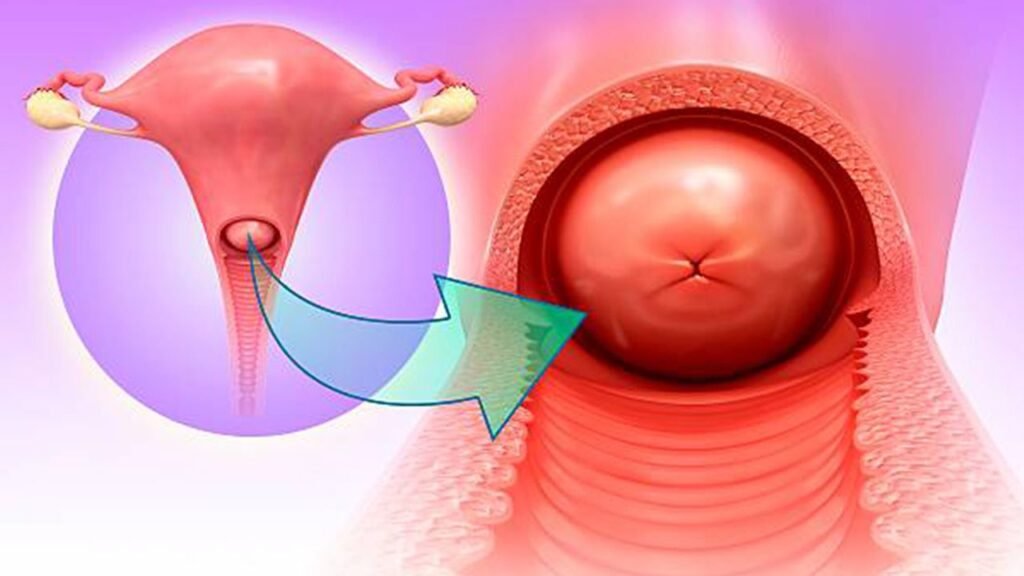
Cervicitis is inflammation of the cervix, the lower, narrow part of the uterus that connects the uterus with the vagina.
It may occur because of an infection, particularly sexually transmitted infections (STIs), or because of irritation or other noninfectious causes. Common infectious causes include chlamydia and gonorrhea, while other infections such as Trichomonas vaginalis and certain vaginal infections may also be associated with cervicitis.
Some women have no noticeable symptoms. When symptoms occur, they may include unusual vaginal discharge, bleeding between periods or after sexual intercourse, pelvic discomfort, and pain during sex.
Because some causes of cervicitis can be sexually transmitted, appropriate medical evaluation and testing are important.
What Is Cervicitis?
Cervicitis is inflammation of the cervix. The cervix forms the lower portion of the uterus and opens into the vagina.
Cervicitis may be:
- Infectious, often associated with sexually transmitted infections
- Noninfectious, which may occur because of irritation, allergic reactions or other causes
Untreated infectious cervicitis may sometimes spread to the upper reproductive organs and contribute to complications such as pelvic inflammatory disease (PID).
Causes of Cervicitis
Infections are an important cause of cervicitis. These may include:
- Chlamydia
- Gonorrhea
- Trichomoniasis
- Genital herpes in some cases
- Other infections affecting the genital tract
Cervicitis may also occur without an STI. Possible noninfectious triggers include:
- Irritation from certain vaginal products
- Allergic reactions to products such as spermicides or latex
- Physical irritation or trauma
- Changes affecting the vaginal or cervical environment
In some cases, the exact cause may not be identified.
Risk Factors for Cervicitis
Certain factors can increase the likelihood of developing infectious cervicitis.
Unprotected Sexual Contact
Sexual intercourse without barrier protection can increase the risk of acquiring infections such as chlamydia and gonorrhea.
Multiple or New Sexual Partners
Having multiple sexual partners or a new sexual partner may increase exposure to sexually transmitted infections.
Previous STI
A previous sexually transmitted infection can increase the risk of developing another infection.
Sexual Partner With an STI
A partner who has or may have an untreated STI increases the risk of exposure.
Symptoms of Cervicitis
Some women with cervicitis have no symptoms. When symptoms occur, they may include:
- Abnormal or increased vaginal discharge
- Yellowish, grayish or greenish discharge
- Unpleasant-smelling discharge
- Vaginal itching or irritation
- Pain or burning during sexual intercourse
- Pelvic or lower abdominal discomfort
- Pain during urination in some cases
- Bleeding between menstrual periods
- Bleeding after sexual intercourse
- Pelvic pain that may sometimes extend toward the lower back
The appearance or smell of vaginal discharge alone cannot determine the exact cause. Testing may be necessary to identify an infection.
When Should You See a Doctor?
Medical evaluation is particularly important if you have:
- Unusual vaginal discharge
- Bleeding after sexual intercourse
- Bleeding between periods
- Pelvic or lower abdominal pain
- Pain during sex
- Burning or pain while urinating
- Symptoms after unprotected sexual contact
- A sexual partner diagnosed with an STI
Seek prompt medical care for severe pelvic pain, fever, vomiting, heavy vaginal bleeding or feeling seriously unwell, as these symptoms may indicate a more significant pelvic infection or another condition requiring urgent assessment.
Diagnosis of Cervicitis
A healthcare professional may diagnose cervicitis through a combination of medical history, physical examination and laboratory testing.
Pelvic Examination
A pelvic examination allows the healthcare professional to examine the cervix and look for inflammation, unusual discharge, bleeding or other abnormalities.
STI Testing
Tests may be performed for infections such as chlamydia and gonorrhea. Depending on symptoms and clinical findings, testing for other infections may also be recommended.
Cervical or Vaginal Samples
A swab or sample of cervical or vaginal discharge may be collected for laboratory testing to help identify the infection causing the symptoms.
Pap Test
A Pap test is primarily used to screen for cervical cell changes associated with cervical cancer. It is not a general test for diagnosing cervicitis, although cervical examination and testing may be performed at the same visit when clinically appropriate.
Treatment and Management of Cervicitis
Treatment depends on the underlying cause.
If cervicitis is caused by a bacterial STI such as chlamydia or gonorrhea, appropriate antibiotic treatment is required. Other infections require their specific treatment.
It is important to complete prescribed treatment and follow the healthcare professional’s advice.
When cervicitis is related to an STI, sexual partners may also need evaluation and treatment. Avoiding sexual intercourse until treatment is completed and the healthcare professional advises that it is safe can help reduce the risk of reinfection.
If a noninfectious irritant is responsible, avoiding the suspected irritant may help reduce inflammation.
Precautions and Lifestyle Tips
The following measures can help reduce the risk of infectious cervicitis and protect reproductive health:
- Use condoms or other appropriate barrier protection during sexual activity.
- Consider STI testing when appropriate, particularly with a new partner or after unprotected sexual contact.
- Ensure diagnosed STIs are treated properly.
- Follow treatment recommendations and complete prescribed medication.
- Avoid frequent vaginal douching, as it can disturb the normal vaginal environment.
- Avoid vaginal products that cause irritation.
- Maintain good genital hygiene without excessive washing or use of harsh products.
- Seek medical evaluation for persistent abnormal discharge, pelvic pain or unusual bleeding.
Tampons themselves are not a usual cause of cervicitis. However, any vaginal product that causes irritation or discomfort should be discontinued and discussed with a healthcare professional if symptoms persist.
Homeopathic Treatment Approach at 247 Homeopathy
At 247 Homeopathy, Zirakpur, Dr. Ruchi takes an individualized approach to homeopathic care. The choice of a homeopathic medicine is based on the patient’s symptoms, discharge characteristics, associated discomfort and overall health rather than on the diagnosis alone.
The following remedies are part of Dr. Ruchi’s existing homeopathic approach to cervicitis:
Kreosotum
Kreosotum is traditionally considered in homeopathic practice when there is offensive, yellowish or greenish discharge accompanied by marked itching, irritation or burning of the genital area.
Alumina
Alumina may be considered in a presentation involving burning sensations and profuse, transparent genital discharge, particularly when the burning and irritation are prominent.
Natrum Muriaticum
Natrum muriaticum is traditionally considered by homeopathic practitioners when there is thick, whitish and profuse discharge accompanied by itching or smarting discomfort, depending on the individual’s overall symptom picture.
Sepia
Sepia may be considered when pelvic discomfort, painful intercourse and offensive yellowish or greenish discharge are prominent features in the individual case.
Frequently Asked Questions About Cervicitis
Can cervicitis cause lower abdominal pain?
Yes. Cervicitis may cause pelvic or lower abdominal discomfort, although these symptoms can also occur with other reproductive or urinary conditions.
Can cervicitis cause itching or burning?
Itching or burning may occur when cervicitis is associated with an infection or irritation affecting the vagina or genital area. These symptoms are not specific to cervicitis and may have other causes.
Can cervicitis cause pain when urinating?
Yes. Some people with cervicitis may experience painful or burning urination, particularly when an associated infection also affects nearby urinary or
Consult 247 Homeopathy in Zirakpur
If you have persistent vaginal discharge, pelvic discomfort, painful intercourse or other symptoms associated with cervicitis, professional evaluation can help identify the underlying cause.
At 247 Homeopathy, Zirakpur, Dr. Ruchi provides individualized consultations based on your symptoms and health history. Where appropriate, homeopathic care can be discussed as a complementary part of your overall healthcare.


