Cholelithiasis
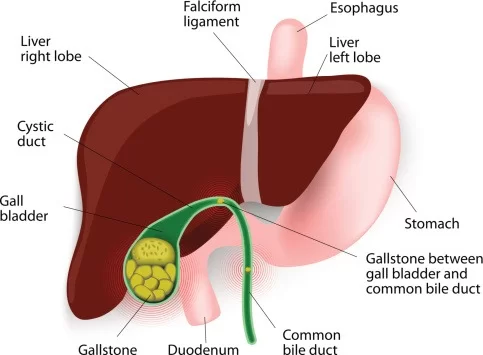
Cholelithiasis is the medical term for gallstones, which are hardened deposits that form inside the gallbladder.
The gallbladder is a small, pear-shaped organ located beneath the liver. It stores and concentrates bile, a digestive fluid produced by the liver that helps the body digest fats.
Gallstones can be as small as grains of sand or as large as a golf ball. Some people have a single gallstone, while others may develop multiple stones.
Many gallstones do not cause symptoms and may be discovered incidentally during an abdominal scan. However, a stone can sometimes block the normal flow of bile and cause biliary colic, inflammation, infection or other complications.
What Is Cholelithiasis?
Cholelithiasis refers specifically to the presence of gallstones in the gallbladder.
Gallstones develop when substances in bile, particularly cholesterol or bilirubin, become imbalanced and form crystals that gradually grow into stones.
There are two major types of gallstones:
Cholesterol Stones
Cholesterol stones are the most common type of gallstone. They develop when bile contains more cholesterol than can remain dissolved.
They are often yellowish or yellow-green in appearance.
Pigment Stones
Pigment stones are primarily made from bilirubin, a substance produced when red blood cells are broken down.
They are generally darker than cholesterol stones and may occur in association with certain blood or liver conditions.
Causes of Gallstones
Gallstones can form when the normal chemical balance of bile changes.
Possible contributing factors include:
- Excess cholesterol in bile
- Excess bilirubin in bile
- Inadequate emptying of the gallbladder
- Certain conditions affecting the liver or blood
- Obesity
- Rapid weight loss
- Some dietary and metabolic factors
- Family history of gallstones
Gallstones do not develop from one single cause. Several genetic, metabolic and lifestyle factors may contribute.
Risk Factors for Cholelithiasis
The risk of gallstones may increase with:
- Being overweight or having obesity
- Rapid weight loss or very-low-calorie dieting
- Pregnancy
- Female sex
- Increasing age
- A family history of gallstones
- A diet high in saturated fat and refined carbohydrates
- Certain cholesterol-lowering or hormone-related medicines
- Some conditions affecting the liver, intestine or blood
- Certain ethnic and genetic factors
The commonly remembered phrase “female, forty, fertile, fat” describes some traditional risk factors, but gallstones can occur in people of any age, sex or body type.
Symptoms of Gallstones
Many people with gallstones have no symptoms. These are sometimes called silent gallstones.
Symptoms usually occur when a gallstone blocks the outlet of the gallbladder or a bile duct.
Biliary Colic
The most characteristic symptom is biliary pain, which may:
- Begin suddenly
- Occur in the upper right abdomen or upper middle abdomen
- Be felt beneath the right ribs
- Spread toward the right shoulder or back
- Last from several minutes to a few hours
- Occur after a heavy or fatty meal in some people
Other Possible Symptoms
Depending on the condition and whether complications have developed, symptoms may include:
- Nausea
- Vomiting
- Abdominal tenderness
- Loss of appetite
- Sweating
- Fever
- Chills
- Yellowing of the skin or eyes
- Dark urine
- Pale or clay-colored stools
- Itching, particularly when bile flow is obstructed
Fever, jaundice, severe abdominal pain or chills can indicate a complication and require prompt medical evaluation.
When Should You Seek Urgent Medical Care?
Do not rely on home treatment if you have severe or persistent abdominal pain.
Seek urgent medical attention if you experience:
- Severe or worsening pain in the upper abdomen
- Abdominal pain lasting several hours
- Fever or chills with abdominal pain
- Yellow skin or yellow eyes
- Repeated vomiting
- Dark urine or unusually pale stools
- Significant abdominal tenderness
- Symptoms suggesting pancreatitis, such as severe upper abdominal pain that may radiate to the back
These symptoms may indicate complications such as acute cholecystitis, bile duct obstruction, cholangitis or pancreatitis.
Complications of Gallstones
Gallstones do not always cause complications, but a stone that blocks a bile duct can lead to serious problems.
Cholecystitis
Cholecystitis is inflammation of the gallbladder, often caused by a gallstone blocking the gallbladder outlet.
It commonly causes persistent upper-right abdominal pain and may be accompanied by fever and tenderness.
Common Bile Duct Obstruction
A gallstone can move from the gallbladder into the common bile duct and interfere with the normal flow of bile.
This may cause jaundice and other symptoms.
Cholangitis
Obstruction of a bile duct can sometimes lead to a serious bacterial infection called acute cholangitis.
Gallstone Pancreatitis
If a stone blocks the opening where the bile duct and pancreatic duct drain, it can trigger acute pancreatitis, an inflammation of the pancreas.
Gallbladder Cancer
Gallstones and chronic gallbladder inflammation have been associated with an increased risk of gallbladder cancer, but gallbladder cancer remains uncommon. Most people with gallstones do not develop cancer.
Diagnosis of Cholelithiasis
Doctors may use several methods to diagnose gallstones and determine whether complications are present.
Abdominal Ultrasound
Ultrasound is usually the first and most commonly used imaging test for gallstones. It can identify stones and may also show gallbladder inflammation or other abnormalities.
Blood Tests
Blood tests may help identify:
- Signs of infection
- Liver inflammation or abnormal liver function
- Bile duct obstruction
- Pancreatitis
HIDA Scan
A hepatobiliary iminodiacetic acid (HIDA) scan is a nuclear medicine test that can evaluate bile flow and gallbladder function. It may be used when certain gallbladder problems are suspected.
MRCP
Magnetic resonance cholangiopancreatography (MRCP) uses MRI technology to create detailed images of the bile ducts and pancreatic ducts. It may be useful when a bile duct stone is suspected.
Endoscopic Ultrasound
Endoscopic ultrasound can provide detailed images of the gallbladder and bile ducts and may help detect small stones that are difficult to identify with standard ultrasound.
ERCP
Endoscopic retrograde cholangiopancreatography (ERCP) is an endoscopic procedure that can diagnose and, importantly, treat certain bile duct blockages. It may be used to remove a stone from the common bile duct when appropriate.
Management and Treatment of Gallstones
Treatment depends on whether gallstones are causing symptoms or complications.
Silent Gallstones
Gallstones that are discovered incidentally and are not causing symptoms often do not require immediate treatment. Your doctor can advise whether monitoring is appropriate based on your individual circumstances.
Symptomatic Gallstones
Repeated or significant symptoms may require treatment. Laparoscopic gallbladder removal (cholecystectomy) is a commonly used treatment for symptomatic gallstones.
If a stone is blocking the common bile duct, an ERCP may sometimes be used to remove the stone.
The appropriate treatment depends on the location of the stones, symptoms, complications and overall health.
Precautions and Lifestyle Tips
Lifestyle changes cannot reliably dissolve established gallstones, but healthy habits may help reduce some risk factors and support overall digestive health.
- Maintain a healthy body weight.
- Avoid crash diets and very rapid weight loss.
- Choose a balanced diet rich in vegetables, fruits and whole grains.
- Limit foods high in saturated fat and highly processed foods.
- Include appropriate dietary fiber.
- Stay physically active.
- If you have diabetes, work with your healthcare team to maintain good blood glucose control.
- Avoid skipping meals regularly.
- Follow medical advice if you have previously experienced gallstone attacks.
If fatty meals consistently trigger abdominal pain, discuss your symptoms with a healthcare professional rather than simply assuming they are due to indigestion.
Homeopathic Treatment Approach at 247 Homeopathy
At 247 Homeopathy, Zirakpur, Dr. Ruchi takes an individualized homeopathic approach based on the patient’s symptoms, digestive complaints, abdominal pain pattern and overall health.
The following medicines are included in Dr. Ruchi’s existing homeopathic approach to gallstone-related complaints:
Fel Tauri
Fel Tauri is traditionally used in homeopathic practice for digestive and biliary complaints. Dr. Ruchi may consider it when symptoms include gallbladder-related discomfort and digestive disturbances, depending on the individual symptom picture.
Boldo
Boldo is traditionally considered in homeopathic practice when gallbladder-related symptoms are accompanied by right-sided abdominal discomfort, bitter taste, reduced appetite or digestive complaints.
Berberis Vulgaris
Berberis vulgaris may be considered when there is sharp or radiating abdominal discomfort associated with gallbladder complaints, particularly when the overall symptom pattern corresponds with the remedy.
Chionanthus Virginica
Chionanthus virginica is traditionally considered by homeopathic practitioners for certain biliary complaints, particularly when right-sided abdominal tenderness, digestive symptoms or jaundice-like symptoms are present.
Frequently Asked Questions About Cholelithiasis
Can gallstones cause back pain?
Yes. Pain from a gallstone attack can sometimes spread from the upper abdomen to the back or right shoulder. Back pain on its own has many possible causes and does not necessarily indicate gallstones.
Can gallstones cause bloating and indigestion?
Gallstones may be associated with indigestion, bloating, belching or discomfort after eating, although these symptoms are common and can have many other causes.
Can gallstones cause pain after eating fatty foods?
Yes. Gallstone pain may occur after meals, particularly larger or fatty meals, although symptoms can also occur at other times.
Can gallstones cause diarrhea?
Gallstones themselves do not always cause diarrhea, but some people with gallbladder problems may experience changes in bowel habits. Persistent or severe diarrhea should be evaluated for other possible causes.
Can gallstones occur without any symptoms?
Yes. Gallstones are often discovered incidentally because they do not cause symptoms. These are sometimes called silent gallstones and may not require treatment unless complications develop.
Can gallstones cause chest or shoulder pain?
Gallstone pain can sometimes be felt in the right shoulder or upper back and may occasionally be confused with discomfort in other areas. New or unexplained chest pain should not automatically be attributed to gallstones and may require urgent assessment.
Consult 247 Homeopathy in Zirakpur
If you have been diagnosed with gallstones and want to discuss your symptoms and overall health with Dr. Ruchi, 247 Homeopathy in Zirakpur provides individualized consultations.
Your medical history, symptoms, digestive complaints and previous investigations can be reviewed to determine whether complementary homeopathic care may be appropriate.
Consult Dr. Ruchi at 247 Homeopathy, Zirakpur, for personalized guidance.
If you have severe abdominal pain, fever, jaundice, repeated vomiting or other warning signs of a gallstone complication, seek prompt medical care rather than delaying evaluation for a homeopathic consultation.
Online consultation may also be available for patients who cannot visit the clinic in person.


