NASAL CAVITY AND PARANASAL CANCER
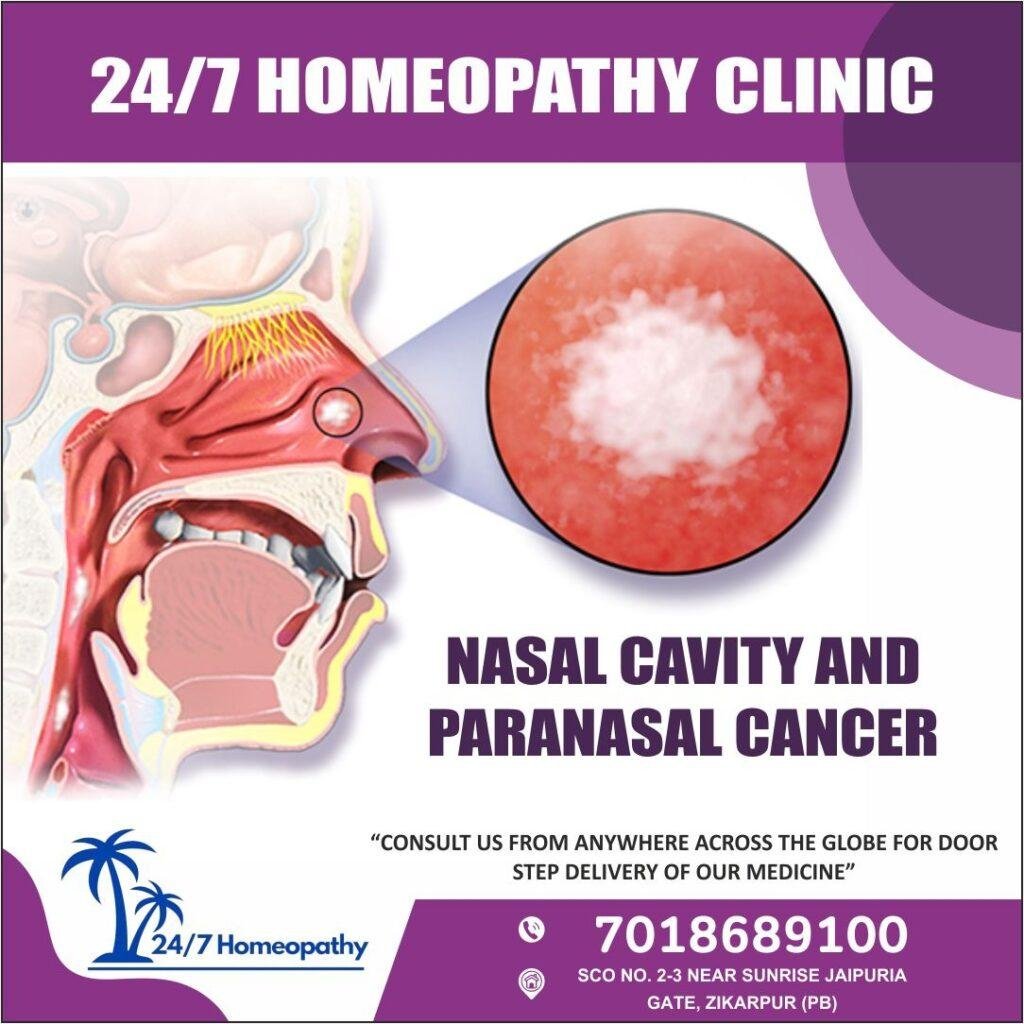
Nasal cavity and paranasal sinus cancers are rare cancers that develop in the tissues of the nasal cavity or the air-filled spaces around the nose called the paranasal sinuses.
These cancers are included among head and neck cancers. They can develop in different parts of the nasal cavity and sinuses, with the maxillary sinus being one of the commonly affected sites.
Early symptoms can sometimes resemble common nasal or sinus problems. Persistent or unusual symptoms should therefore be medically evaluated.
What Is Nasal Cavity and Paranasal Cancer?
Nasal cavity and paranasal sinus cancer develops when cells in the tissues of the nasal cavity or paranasal sinuses undergo abnormal changes and grow uncontrollably.
The paranasal sinuses are air-filled spaces around the nose. They include the:
- Maxillary sinuses
- Frontal sinuses
- Ethmoid sinuses
- Sphenoid sinuses
The symptoms and treatment approach can vary depending on the exact location and type of cancer.
Causes and Risk Factors
The exact cause of nasal cavity and paranasal sinus cancer is not always known.
The risk factors mentioned in the doctor’s existing content include:
- Smoking
- Exposure to dust and certain substances, including nickel compounds and radium
- Human papillomavirus (HPV)
- Exposure to toxic substances
- Secondhand smoke exposure
- Reduced immune function
- Poor diet or inadequate nutrition
- Occupational exposure to certain dust or chemicals
People who work around wood dust, certain chemicals or other occupational irritants may need to take additional precautions to reduce exposure.
Symptoms of Nasal Cavity and Paranasal Cancer
Symptoms can depend on the location and extent of the tumor.
The symptoms mentioned in the doctor’s content include:
- Nosebleeds (epistaxis)
- Reduced sense of smell
- Persistent nasal blockage or congestion
- Irritation or itching inside the nose
- Pain above or below the eyes
- Impaired vision
- Partial loss of vision or double vision
- Watery eyes
- Eye pain or itching
- Bulging of one eye
- Headache
- Difficulty opening the mouth
- Swollen lymph nodes or a lump in the neck
- A growth or mass involving the face, nose or roof of the mouth
- Fever
- Weakness and fatigue
When Should You See a Doctor?
Nosebleeds or nasal congestion are often caused by conditions other than cancer. However, persistent one-sided nasal blockage, recurrent nosebleeds, facial swelling, vision changes, a growing facial or nasal lump or persistent facial pain should be evaluated by a qualified healthcare professional.
Diagnosis
The investigations mentioned in the doctor’s content include:
1. Physical Examination
A healthcare professional examines the nose, face, mouth and neck for abnormalities or swelling.
2. Nasal Endoscopy
Nasal endoscopy allows the inside of the nasal cavity to be examined more closely.
3. Biopsy
A biopsy may be performed on a suspicious nasal or paranasal sinus growth. Tissue examination is important for determining whether cancer is present and identifying its type.
4. Imaging
Imaging may include:
- CT scan
- MRI
These tests can help assess the location and extent of an abnormal growth.
Precautions and Lifestyle Tips
The following precautions are based on the doctor’s existing content:
- Quit smoking.
- Avoid tobacco chewing.
- Reduce unnecessary exposure to chemicals and toxic substances at the workplace.
- Use appropriate workplace protective equipment when exposure cannot be avoided.
- Avoid excessive exposure to wood dust and other occupational dust.
- Reduce exposure to polluted air where possible.
- Maintain a balanced, nutritious diet.
- Include adequate vitamins and nutrients in the diet.
- Maintain a healthy weight.
- Exercise regularly according to your health and fitness level.
These measures can help support overall health and reduce exposure to some known risk factors, but they cannot guarantee prevention of cancer.
Homeopathic Treatment Approach
The following medicines are included in Dr. Ruchi’s existing homeopathic treatment section. The symptom indications have been retained and organized for easier reading.
Bryonia Carbonica
The doctor’s content mentions the following symptom indications:
- A gauze-like sensation before the eyes and itching of the eyes
- Painful and swollen glands around the ears
- Dry sneezing and coryza with swelling of the upper lip and nose
- A sensation of smoke in the nose
- Frequent nosebleeds
- Pale, puffy face
- A cobweb-like sensation on the face
- Headache
- Swollen submandibular glands and tonsils
- Swollen glands in the neck
- Weakness of the spine
- Fatty tumors around the neck and face
Calcarea Carb
The symptom indications mentioned include:
- A sensation of weight on the top of the head with headache
- Watery eyes in open air
- Dimness of vision, as though looking through mist
- Itching and swelling of the eyelids
- Offensive odor from the nose
- Polyp-like swelling at the root of the nose
- Nosebleeds
- Swelling of the face with pallor and deep-set eyes surrounded by dark rings
- Swollen submandibular glands
- Weakness and fever
- Swollen glands
Gelsemium
The doctor’s content includes these symptom indications:
- Headache and heaviness of the head
- Heavy eyes and heavy eyelids
- Blurred, smoky or dim vision
- Bruised pain behind the eyes or in the orbits
- Sneezing
- Fullness at the root of the nose
- Dryness of the nasal passages
- Dull headache with fever
- Swelling of the turbinates
- Hot, heavy and flushed face
- Facial pain
- Fever with marked chills or shaking
- Fatigue after slight exertion
Frequently Asked Questions
Can nasal cavity or sinus cancer cause a blocked nose on one side?
Yes. Persistent blockage affecting only one side of the nose can occur with nasal cavity or paranasal sinus cancer. However, one-sided nasal blockage has other possible causes and should be evaluated if it persists.
Can nasal cavity or sinus cancer cause a change in smell?
Yes. A reduced or altered sense of smell can occur when a tumour affects the nasal cavity or nearby structures. Persistent unexplained changes in smell should be medically assessed.
Can nasal cavity or sinus cancer cause facial numbness?
Yes. A tumour affecting nearby nerves can sometimes cause numbness or altered sensation in the face. New or persistent facial numbness should be evaluated by a healthcare professional.
Can nasal cavity or sinus cancer cause loose teeth?
In some cases, a tumour involving the upper jaw or nearby structures can affect the teeth and cause dental changes. An unexplained loose tooth, particularly with facial swelling or persistent nasal symptoms, should be assessed.
Can nasal cavity or sinus cancer cause swelling around the eye?
Yes. If a tumour extends into tissues surrounding the eye, it can cause swelling or other changes around the eye. New eye swelling, vision changes, or displacement of the eye requires prompt medical evaluation.
Can nasal cavity or sinus cancer cause headaches that do not go away?
Persistent headaches can occur with conditions affecting the nasal cavity or sinuses, including cancer, but headaches have many possible causes. A new or ongoing headache accompanied by persistent nasal blockage, facial pain, swelling, or vision changes should be medically evaluated.
Consultation at 247 Homeopathy
If you have persistent nasal or sinus symptoms or have already received a diagnosis of nasal cavity or paranasal sinus cancer and want to discuss complementary homeopathic care, you can consult Dr. Ruchi at 247 Homeopathy, Zirakpur, Punjab.
247 Homeopathy serves patients from Zirakpur and nearby areas, as well as patients seeking consultation from other parts of India and worldwide.
For suspected or confirmed cancer, homeopathic consultation should complement—not replace—appropriate ENT, oncology and specialist medical care.
Consult Dr. Ruchi at 247 Homeopathy, Zirakpur, to discuss your individual symptoms and complementary homeopathic care approach.