HEAD AND NECK CANCER
Hairy cell leukemia (HCL) is a rare, slow-growing cancer of the blood and bone marrow. It affects B lymphocytes, a type of white blood cell. Under a microscope, the abnormal cells have fine hair-like projections, which is why the condition is called hairy cell leukemia.
Because abnormal B cells accumulate in the blood and bone marrow, they can interfere with the production of normal blood cells. This may result in anemia, low platelet counts and increased susceptibility to infections.
Hairy cell leukemia is a serious blood cancer and requires evaluation and monitoring by a qualified hematologist or oncologist.
What Is Hairy Cell Leukemia?
Hairy cell leukemia develops when abnormal B lymphocytes grow and accumulate in the bone marrow, blood and sometimes the spleen.
The condition generally progresses slowly. Some people may have few symptoms initially, while others may develop fatigue, recurrent infections, bleeding or a feeling of fullness in the abdomen because of an enlarged spleen.
Causes and Risk Factors of Hairy Cell Leukemia
The exact cause of hairy cell leukemia is not completely understood.
It develops when genetic changes occur in B lymphocytes, causing these cells to grow and survive abnormally.
The following factors are associated with a higher likelihood of developing hairy cell leukemia:
- Being male
- Increasing age, particularly older adults
- Certain genetic or biological factors
- Family history may be relevant in some cases
A person’s risk factors do not mean that they will definitely develop hairy cell leukemia.
Symptoms of Hairy Cell Leukemia
Symptoms can develop gradually and may initially resemble other conditions.
Common symptoms include:
- Persistent or recurrent fever
- Loss of appetite
- Unintentional weight loss
- Recurrent infections
- Easy bruising
- Nosebleeds or other unusual bleeding
- Shortness of breath
- Weakness and fatigue
- Symptoms related to anemia
- Fullness or discomfort on the left side of the abdomen below the ribs
- Enlarged spleen
Swollen lymph nodes can occur in some people, although they are not a defining feature of classic hairy cell leukemia.
Head and Neck Cancer
Head and neck cancer refers to cancers that develop in areas such as the mouth, nose, salivary glands, sinuses and throat. Most head and neck cancers are of squamous cell origin and can affect the mucous membranes of the nose, throat, sinuses and other areas of the head and neck.
The symptoms of head and neck cancer can vary depending on the area affected and how far the disease has progressed. Persistent changes such as difficulty swallowing, changes in voice, unusual patches inside the mouth, or a lump in the neck should be evaluated by a qualified doctor.
What Is Head and Neck Cancer?
Head and neck cancer is a group of cancers that can develop in different parts of the head and neck.
Depending on the area involved, it may include:
- Laryngeal cancer: Cancer involving the larynx or voice box.
- Nasopharyngeal cancer: Cancer that begins in the nasopharynx, the upper part of the throat.
- Hypopharyngeal cancer: Cancer developing in the lower part of the throat.
- Nasal cavity and paranasal sinus cancer: Cancer affecting the nasal cavity or sinuses.
- Salivary gland cancer: Cancer developing in the glands that produce saliva.
- Oropharyngeal cancer: Cancer beginning in the oropharynx.
- Tonsil cancer: Cancer affecting the tonsils.
- Oral cancer: Cancer developing in the mouth.
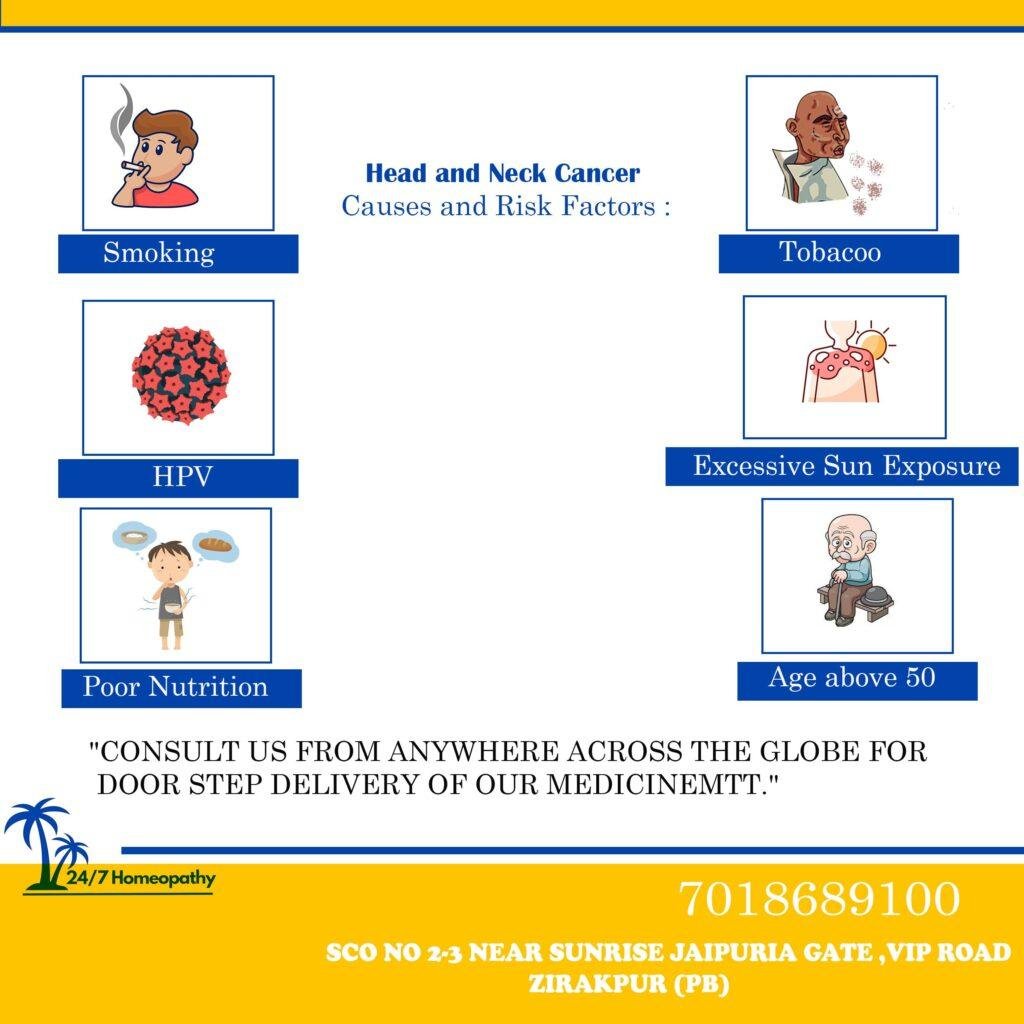
Causes and Risk Factors of Head and Neck Cancer
The exact cause can vary depending on the type of cancer. Several factors may increase the risk of developing head and neck cancer.
Important risk factors include:
- Smoking: Smoking is an important risk factor for head and neck cancer.
- Secondhand smoke: Regular exposure to tobacco smoke may also increase risk.
- Tobacco chewing: Chewing tobacco is particularly associated with cancers affecting the mouth.
- Human papillomavirus (HPV): Certain HPV infections are associated with some cancers of the throat and mouth.
- Excessive sun exposure: Prolonged exposure to sunlight can increase the risk of certain cancers affecting exposed areas.
- Radiation exposure: Previous radiation exposure involving the head and neck may increase risk.
- Poor nutrition and deficiencies: Poor nutritional status and certain vitamin or mineral deficiencies may contribute to overall health risks.
- Age: The risk may increase with age, particularly after 50 years.
- Sex: Head and neck cancers are more commonly reported in men, although women can also develop them.
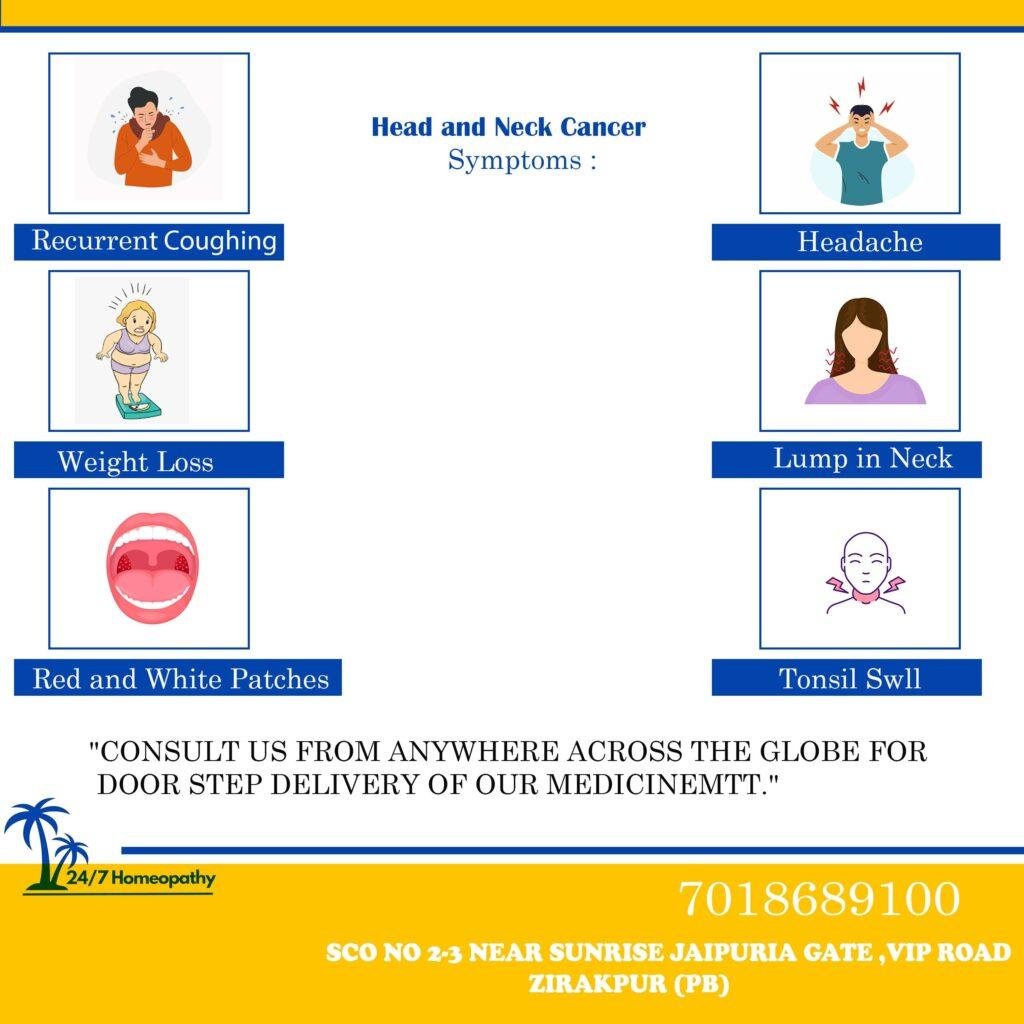
Symptoms of Head and Neck Cancer
Symptoms depend on which part of the head or neck is affected and whether the disease has spread.
Common symptoms mentioned in the doctor’s clinical notes include:
- Unexplained weight loss
- Change in voice
- Headache
- Red or white patches inside the mouth
- Difficulty chewing
- Difficulty swallowing
- Persistent sore throat or throat pain
- Swelling of the tonsils
- Recurrent coughing
- A lump in the neck, nose or throat
- Difficulty breathing
- Obstruction in the nose or throat
These symptoms can also occur with conditions other than cancer. However, persistent or unexplained symptoms should be medically evaluated.
Diagnosis of Head and Neck Cancer
Depending on the symptoms and the suspected area, a doctor may recommend different investigations.
Diagnosis may include:
Physical Examination
The doctor examines the mouth, throat, nose, neck and other affected areas for abnormal changes.
Endoscopy
An endoscope may be used to examine areas of the nose, throat or other parts of the head and neck.
Pharyngoscopy or Laryngoscopy
These examinations help assess the throat and larynx for abnormalities.
Biopsy
A biopsy involves taking a small tissue sample for examination. It may be recommended when cancer is suspected.
Imaging Tests
Depending on the situation, imaging may include:
- X-ray
- CT scan
- MRI
Blood Tests
Blood tests may be recommended as part of the overall medical assessment.
Precautions and Lifestyle Tips
Some risk factors can be reduced through healthy lifestyle choices.
- Avoid smoking.
- Stop tobacco chewing.
- Limit or avoid alcohol consumption.
- Maintain good oral and personal hygiene.
- Eat a healthy, balanced diet that includes vegetables and leafy greens.
- Exercise regularly according to your health condition.
- Limit unnecessary exposure to smoke, dust and other environmental irritants.
- Take vitamin or mineral supplements only when a deficiency has been identified or when advised by a healthcare professional.
- Avoid excessive sun exposure and take appropriate protection when outdoors.
- Do not ignore persistent changes in the mouth, throat, voice or neck.

Homeopathic Treatment Approach for Head and Neck Cancer
Arsenicum Album
- Easily bleeding from gum, nose, in stool, cough
- Vomiting and nausea
- Liver and spleen enlarge and painful
- Ascitis
- Weakness, easily exhausted
- High grade fever
- Air passage constricted, suffocative feeling
- Gradual loss of weight
- Loss of appetite, smell of food induce vomiting
Kalium Carbonicum
- Sensation of lump in stomach
- Constant feeling, as if stomach full of water
- Epigastric pain radiate to back
- Left hypochondrium painful
- Epistaxis on washing the face in early morning
- Great exhaustion
- Burning in spine
- Pain in bones
Phosphorus
- Cutting sharp pain in abdomen
- Slight injury bleeds profusely
- Arm and hand become numb, weakness, joint suddenly give way
- Weakness and trembling
- Pale, sickly complexion, blue rings around eyes
- Fever with profuse perspiration
- Epistaxix from nose
- Swollen and easily bleed gums
FAQs About Head and Neck Cancer
What is head and neck cancer?
Head and neck cancer refers to cancers that develop in areas such as the mouth, nose, throat, sinuses, salivary glands and larynx.
What are the main risk factors for head and neck cancer?
Smoking, tobacco chewing, exposure to smoke, certain HPV infections, excessive sun exposure, radiation exposure, increasing age and some nutritional or lifestyle factors can increase risk.
What are the common symptoms?
Symptoms can include unexplained weight loss, voice changes, red or white patches in the mouth, difficulty chewing or swallowing, persistent throat pain, recurrent cough, lumps in the neck or throat and difficulty breathing.
Can a lump in the neck mean cancer?
A neck lump can have many causes and does not necessarily mean cancer. However, a persistent or unexplained lump should be examined by a qualified healthcare professional.
How is head and neck cancer diagnosed?
Depending on the suspected location, evaluation may include physical examination, endoscopy, pharyngoscopy or laryngoscopy, biopsy, X-ray, CT scan, MRI and blood tests.
Can smoking increase the risk of head and neck cancer?
Yes. Smoking is an important risk factor, and avoiding tobacco is an important preventive measure.
Can homeopathy replace cancer treatment?
No. Homeopathy should not be used as a replacement for appropriate cancer diagnosis or treatment. If a patient wishes to use homeopathy as complementary care, it is important to keep the treating cancer specialist informed.
When should I consult a doctor?
Persistent throat pain, mouth patches, difficulty swallowing, voice changes, unexplained weight loss, breathing difficulty or an unexplained lump should not be ignored and should be medically evaluated.
Consult 247 Homeopathy in Zirakpur
If you are looking for individualized homeopathic consultation in Zirakpur, Dr. Ruchi at 247 Homeopathy can review your symptoms, medical history and current treatment and discuss whether complementary homeopathic care is appropriate for you.
For patients with suspected or confirmed head and neck cancer, consultation should not delay necessary investigations, biopsy, specialist evaluation or recommended cancer treatment.
247 Homeopathy, Zirakpur, Punjab focuses on individualized consultation based on the patient’s symptoms and overall health.
Book a consultation with Dr. Ruchi to discuss your condition and treatment options.


