GASTRIC CANCER
Gastric cancer, also called stomach cancer, develops when normal cells in the inner lining of the stomach become abnormal and malignant and begin growing uncontrollably.
Gastric cancer can affect different parts of the stomach. The symptoms and treatment approach can vary depending on the location and stage of the cancer.
What Is Gastric Cancer?
The stomach is part of the digestive system and helps digest food after it is swallowed.
Gastric cancer begins when cells in the stomach undergo abnormal changes and start multiplying without normal control. As the abnormal cells continue to grow, they can form a tumor and may spread to nearby tissues or other organs.
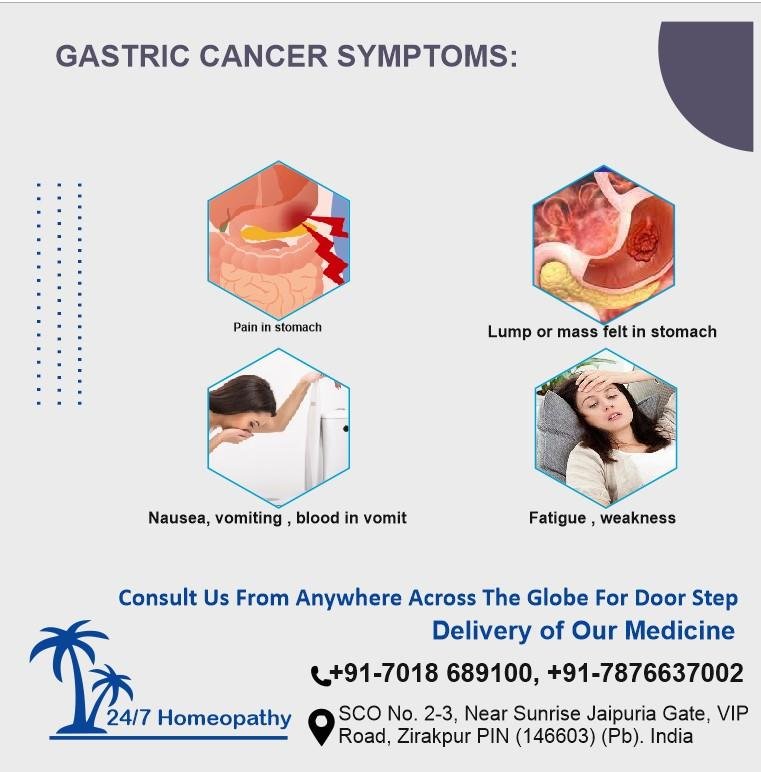
Symptoms of Gastric Cancer
Symptoms may vary from person to person and can depend on the stage and location of the cancer.
Possible symptoms include:
- Pain or discomfort in the stomach
- A lump or mass in the abdomen
- Nausea and vomiting
- Blood in vomit
- Fatigue and weakness
- Feeling full after eating only a small amount of food
- Heaviness or bloating
- Heartburn
- Indigestion
- Unexplained weight loss
- Difficulty swallowing
- Blood in the stool
- Loss of appetite
- Significant weight loss or emaciation
- Anemia
If gastric cancer spreads to another organ, additional symptoms may occur depending on the area affected.
When Should You Seek Medical Attention?
Persistent stomach pain, unexplained weight loss, repeated vomiting, difficulty swallowing, blood in vomit or blood in stool should not be ignored.
These symptoms can have many causes and do not necessarily mean cancer, but they require appropriate medical evaluation, particularly when they persist or become worse.

Causes and Risk Factors of Gastric Cancer
The exact cause of the DNA changes that lead to gastric cancer is not always known. However, several factors may increase the risk of developing stomach cancer.
Risk factors mentioned in the doctor’s original content include:
- Helicobacter pylori (H. pylori) infection
- Family history of stomach cancer
- Unhealthy eating habits
- Excessive intake of highly spicy or fatty foods
- Obesity
- Smoking
- Tobacco consumption
- Vaping
- Excessive alcohol consumption
- Exposure to certain chemicals or radiation
- Gastroesophageal reflux disease (GERD)
- Certain inherited or genetic conditions, including Lynch syndrome and CVID
Having one or more risk factors does not mean that a person will definitely develop gastric cancer.
Diagnosis of Gastric Cancer
Doctors may use several investigations to evaluate symptoms and determine whether gastric cancer is present.
Physical Examination
A doctor may examine the abdomen and review symptoms, medical history and risk factors.
Upper Endoscopy
An upper endoscopy allows the doctor to examine the inside of the stomach and upper digestive tract.
During endoscopy, tissue may be collected for further examination when necessary.
Endoscopic Ultrasound
Endoscopic ultrasound can provide detailed images of the stomach wall and surrounding structures.
Imaging Tests
The doctor’s content includes:
- CT scan
- MRI
- PET scan
These imaging tests may be used to assess the stomach and determine whether the disease has spread.
Blood Tests
Blood tests may be recommended as part of the overall evaluation and to assess general health or problems such as anemia.
Laparoscopy
Laparoscopy may be used in selected cases to examine the abdomen and help assess the extent of disease.
Precautions and Lifestyle Tips
The following precautions are included in the doctor’s original recommendations:
Avoid Excessive Alcohol
Avoid excessive alcohol consumption.
Quit Smoking and Tobacco
Smoking and tobacco consumption should be avoided.
Exercise Regularly
Regular physical activity can help maintain overall health and a healthy body weight.
Maintain a Healthy Weight
Try to maintain a healthy weight through appropriate diet and physical activity.
Eat a Healthy Diet
Choose a balanced diet and include vegetables and other nutritious foods.
Limit excessive intake of:
- Junk food
- Fatty foods
- Highly processed foods
- Foods containing unnecessary artificial colours or preservatives
Drink Adequate Water
Maintain adequate fluid intake according to your individual needs.
Manage Stress
Stress management can support general physical and emotional wellbeing. Yoga can also be included in a suitable daily routine.
Treat Gastric and Stomach Conditions Properly
Seek appropriate medical care for conditions affecting the stomach, such as:
- Gastric ulcers
- H. pylori infection
- Other persistent gastric problems
Persistent digestive symptoms should not be self-treated for a prolonged period without medical evaluation.
Homeopathic Treatment for Gastric Cancer
At 247 Homeopathy, Zirakpur, homeopathic consultation is individualized according to the patient’s symptoms, medical history and overall condition.
The following remedies are included in Dr. Ruchi’s original homeopathic treatment section. Their selection is based on the individual symptom pattern rather than simply the diagnosis of gastric cancer.
Arsenicum Album
The doctor’s original indications include:
- Nausea, retching and vomiting after eating or drinking
- Heartburn
- Gulping up acidic or bitter substances with irritation of the throat
- Blood in vomit or stool
- Enlarged and painful liver or spleen
- Weakness in the lower back
- Pain and burning in the back
- High-grade fever
- Gastric pain after even small amounts of food or drink
- Gradual weight loss
- Fatigue and easy exhaustion
Phosphorus
The doctor’s original indications include:
- Sour taste and sour eructation after meals
- Belching with a large amount of gas after eating
- Vomiting
- A constricted feeling around the opening of the stomach
- Difficulty swallowing food
- Stomach pain relieved by cold food or ice
- Pain and sensitivity in the stomach region
- Burning associated with stomach inflammation
- Great weakness after passing stool
- Blood in the stool
- Sharp or cutting stomach pain
- Fever with a small, quick pulse and profuse perspiration
- Weakness of the arms and hands
- Numbness or burning sensations along the spine
Nux Vomica
The doctor’s original indications include:
- Sour taste and morning nausea after eating
- Heaviness and pain in the stomach, worse after eating
- Sour or bitter eructation
- Nausea and vomiting
- Sensitivity of the stomach region to pressure
- Bloating and pressure in the upper abdomen after eating
- Spasmodic abdominal pain
- Diarrhea alternating with constipation
- Backache
- Burning sensation in the spine
- Numbness or “going to sleep” sensation in the arms and hands
- Fever with dry heat of the body
Frequently Asked Questions
Can gastric cancer cause difficulty swallowing?
Yes. Gastric cancer near the upper part of the stomach can sometimes be associated with difficulty swallowing, particularly when it affects the area where the stomach connects with the oesophagus. Persistent or worsening difficulty swallowing should be medically evaluated.
Can gastric cancer cause vomiting after eating?
It can. A stomach tumour may sometimes interfere with the normal passage of food, which can contribute to nausea or vomiting after meals. Recurrent vomiting, especially when accompanied by difficulty eating or unexplained weight loss, should be assessed by a healthcare professional.
Can gastric cancer cause black stools?
Yes. Bleeding from the upper digestive tract can sometimes cause stools to become black and tarry. Black stools can have other causes, but unexplained black or tarry stools should receive prompt medical evaluation.
Can gastric cancer cause anemia?
Yes. Slow or ongoing bleeding from the stomach can contribute to iron-deficiency anemia. Anemia may cause tiredness, weakness, dizziness or shortness of breath. Unexplained anemia should be evaluated to identify its underlying cause.
Can gastric cancer cause back pain?
Gastric cancer can sometimes cause pain that is felt in the back, particularly when the disease affects nearby structures. However, back pain has many possible causes and does not by itself indicate stomach cancer.
Can gastric cancer come back after treatment?
Yes. Gastric cancer can recur after treatment in some people. The risk depends on factors such as the cancer’s stage, characteristics and response to treatment. Regular follow-up with the cancer-care team is important after treatment.
Consult 247 Homeopathy in Zirakpur
If you or a family member has been diagnosed with gastric cancer and you are considering complementary homeopathic consultation, you can consult Dr. Ruchi at 247 Homeopathy, Zirakpur, Punjab.
The consultation can be personalized according to the patient’s symptoms, medical history, existing reports and overall condition.
247 Homeopathy also provides consultation options for patients who cannot visit the clinic in person.
If you experience blood in vomit or stool, persistent vomiting, difficulty swallowing, severe abdominal pain or unexplained weight loss, seek appropriate medical evaluation promptly and do not delay necessary cancer investigations or treatment.


