GALLBLADDER CANCER
Gallbladder cancer is a rare type of cancer that develops when cells of the gallbladder become abnormal, malignant and start growing uncontrollably.
The gallbladder is a small pouch located below the liver on the right side of the abdomen. Its main function is to store bile, a digestive fluid produced by the liver.
Because gallbladder cancer may not cause noticeable symptoms in its early stages, it can sometimes be diagnosed at a later stage.
What Is Gallbladder Cancer?
Gallbladder cancer develops when healthy cells in the gallbladder undergo abnormal changes and begin to grow and multiply without normal control.
As the abnormal cells continue to grow, they can form a tumor in the gallbladder and may affect nearby tissues.
Gallbladder cancer is relatively rare.
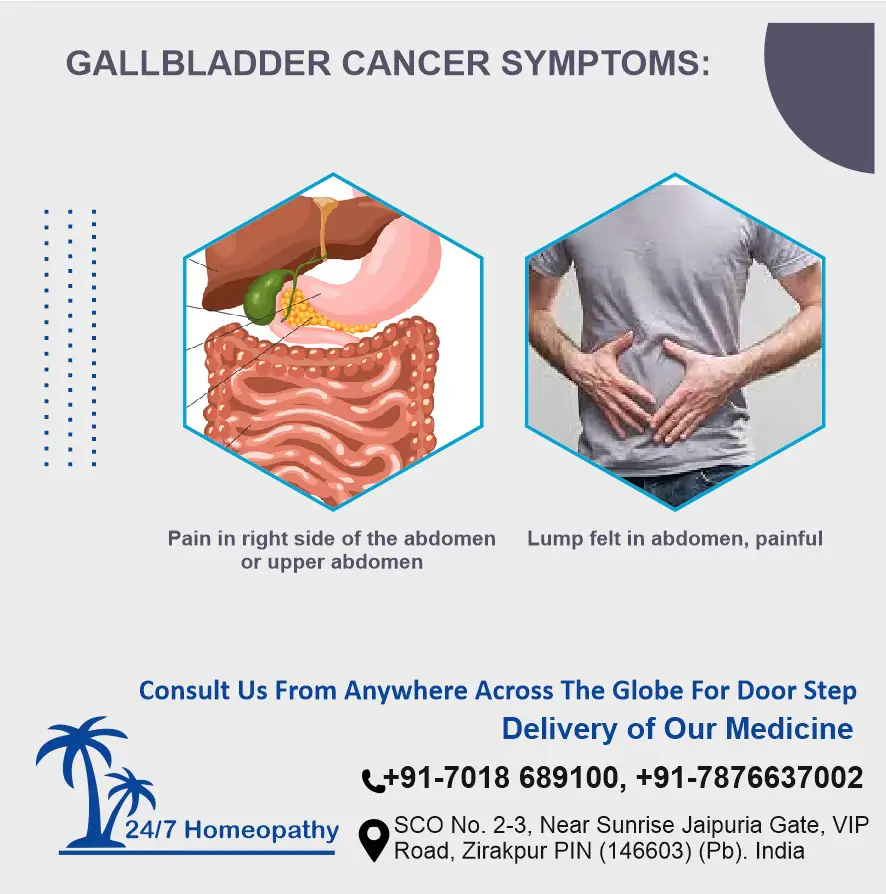
Symptoms of Gallbladder Cancer
Gallbladder cancer may not produce obvious symptoms in the early stages. Symptoms may become more noticeable as the disease progresses.
Possible symptoms include:
- Pain in the right side or upper abdomen
- A lump or swelling in the abdomen
- Indigestion
- Frequent belching or eructation
- Nausea
- Vomiting
- Acid reflux
- A feeling of heaviness in the stomach
- Loss of appetite
- Yellowish discoloration of the skin and eyes
- Dark or yellowish urine
- Fever
- Unexplained weight loss
These symptoms can also occur with other gallbladder, liver or digestive conditions. Persistent or worsening symptoms should be medically evaluated.
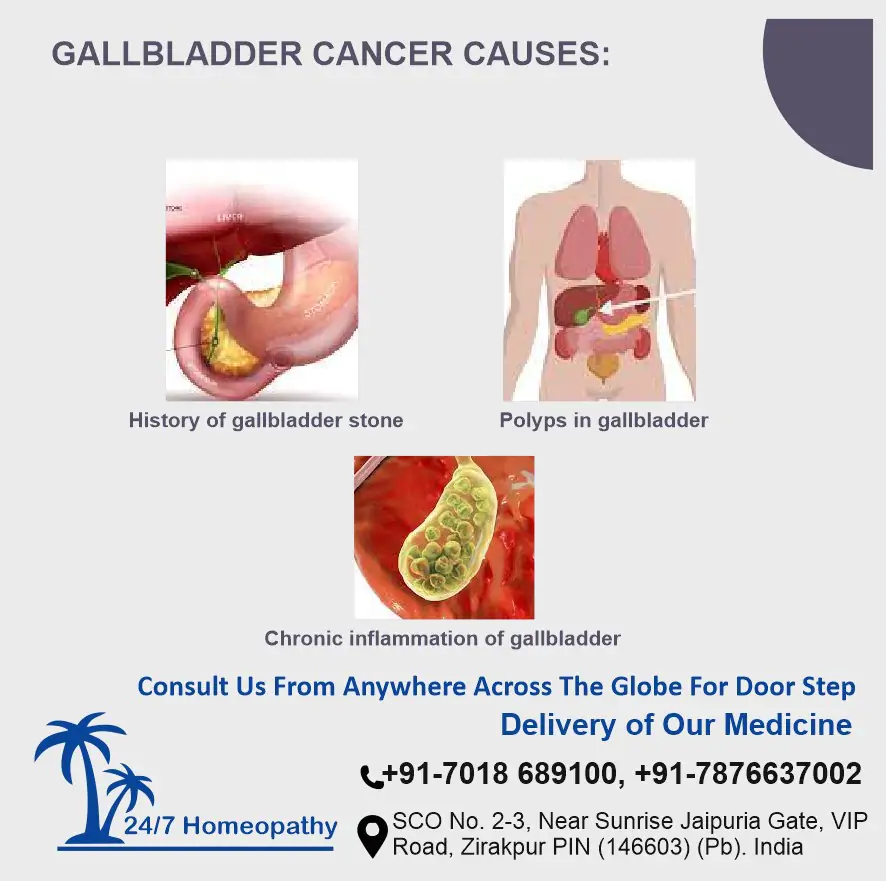
Causes and Risk Factors of Gallbladder Cancer
The exact cause of gallbladder cancer is not always known. Changes or mutations in the DNA of gallbladder cells can cause cells to grow abnormally.
Several factors may increase the risk of developing gallbladder cancer, including:
- History of gallstones
- Polyps in the gallbladder
- Chronic inflammation of the gallbladder
- Obstruction of the bile duct due to a stone or cyst
- Excessive radiation exposure
- Increasing age, particularly in older adults
- Being female
Having a risk factor does not mean that a person will definitely develop gallbladder cancer.
Diagnosis of Gallbladder Cancer
Diagnosis may involve a combination of physical examination, blood tests and imaging investigations.
Physical Examination
A doctor may examine the abdomen and ask about symptoms, medical history and previous gallbladder problems.
Blood Tests
The doctor’s original content includes:
- Liver function tests
- CEA (carcinoembryonic antigen)
- CA 19-9 assay
Tumor markers such as CEA and CA 19-9 may be used as part of the evaluation, but they are not by themselves sufficient to confirm gallbladder cancer.
Imaging Tests
Imaging may include:
- Ultrasound
- CT scan
- MRI
- Endoscopic imaging
These tests can help evaluate the gallbladder and surrounding structures.
Biopsy
A biopsy may be performed when tissue examination is needed to determine whether abnormal cells are cancerous.
Laparoscopy
Laparoscopy may be used in selected situations to examine the abdominal area more closely and assist with diagnosis or treatment planning.
Precautions and Lifestyle Tips
The following precautions are included in the doctor’s original recommendations:
- Limit alcohol intake.
- Take appropriate treatment for gallbladder problems such as inflammation and gallstones.
- Eat fresh and healthy foods.
- Drink an appropriate amount of water.
- Avoid unnecessary or excessive exposure to radiation and harmful chemicals.
- Maintain a healthy weight.
- Exercise regularly.
- Limit excessive junk and fatty foods.
- Manage stress.
- Practice yoga or other suitable physical activity.
If you have a history of gallstones, gallbladder inflammation or other gallbladder problems, discuss appropriate monitoring and treatment with your healthcare professional.
Homeopathic Treatment for Gallbladder Cancer
At 247 Homeopathy, Zirakpur, homeopathic consultation is individualized according to the patient’s symptoms and overall condition.
The following remedies are included in Dr. Ruchi’s original homeopathic treatment approach. Their selection is based on the individual symptom pattern rather than simply the diagnosis of gallbladder cancer.
Lycopodium
The original clinical indications provided include:
- Sour eructation
- Liver sensitivity
- Brown spots on the abdomen
- Shooting pain across the abdomen, particularly from right to left
- Weak digestion
- Bulimia with bloating
- Burning eructation rising towards the pharynx
- Feeling full after eating very little
Mercurius Solubilis
The original indications include:
- Putrid eructation
- Intense thirst for cold water
- Weak digestion
- Sensitivity of the stomach to touch
- Hiccough and regurgitation
- A feeling of constriction
- Stabbing stomach pain with chilliness
- Reduced bile secretion
- Jaundice or yellowish discoloration of the skin and eyes
- Enlarged and tender liver
- Weakness of the limbs
- Bone pain
- Trembling of the extremities
- Fever with yellowish, profuse perspiration
Sulphur
The original indications include:
- Complete loss of appetite or excessive appetite
- Putrid eructation
- Drinking a lot while eating very little
- Marked acidity
- Sour eructation
- Burning pain in the stomach
- Pressure or weight in the liver region
- Nausea and vomiting
- Rawness and soreness in the abdomen
- Sensitivity and pain in the liver region
- Jaundice or yellowish skin and eyes
- Fever with flushing and heat
- Night sweats
- Weakness
- Weight loss
- Trembling of the hands
Frequently Asked Questions
Can gallbladder cancer cause back or shoulder pain?
It can. Gallbladder cancer may sometimes cause pain that is felt in the upper abdomen and may extend to the back or right shoulder. However, these symptoms have many possible causes and do not necessarily indicate cancer.
Can gallbladder cancer cause a swollen abdomen?
Gallbladder cancer can sometimes be associated with abdominal swelling, particularly when the disease has progressed or affects nearby organs. Persistent or unexplained abdominal swelling should be evaluated by a healthcare professional.
Can gallbladder cancer cause dark urine and pale stools?
Yes. If gallbladder cancer interferes with the normal flow of bile, it may contribute to jaundice and changes such as dark urine or pale stools. These changes can also have other causes and should be medically assessed.
Can gallbladder cancer cause itching?
Itching can occur when bile flow is obstructed and bile-related substances build up in the body. However, itching has many possible causes. Persistent or unexplained itching, especially when accompanied by yellowing of the skin or eyes, should be evaluated.
Can gallbladder cancer be found early?
Gallbladder cancer can be difficult to detect early because it may cause few or nonspecific symptoms in its initial stages. Some cases are discovered unexpectedly during or after surgery for another gallbladder condition. New or persistent symptoms should be discussed with a healthcare professional.
Can gallbladder cancer spread to other organs?
Yes. Gallbladder cancer can spread to nearby tissues and, in more advanced disease, to distant organs. The likelihood and pattern of spread depend on factors such as the cancer’s stage and characteristics. Imaging and other investigations help doctors assess whether it has spread.
Consult 247 Homeopathy in Zirakpur
If you or a family member has been diagnosed with gallbladder cancer and you are considering complementary homeopathic consultation, you can consult Dr. Ruchi at 247 Homeopathy, Zirakpur, Punjab.
247 Homeopathy also offers consultation options for patients who cannot visit the clinic in person.
For symptoms such as persistent upper abdominal pain, jaundice, unexplained weight loss, repeated vomiting or a suspected gallbladder problem, seek appropriate medical evaluation without delaying necessary care.