CUTANEAOUS T-CELL LYMPHOMA
Cutaneous T-Cell Lymphoma (CTCL) is a rare type of lymphoma that develops from abnormal T-lymphocytes, a type of white blood cell involved in the immune system.
In CTCL, abnormal T-lymphocytes can migrate to and accumulate in the skin, causing different types of skin changes. Depending on the type and stage, these changes may include dry or itchy skin, patches, redness, scaling, bumps or thicker areas of skin.
CTCL is generally considered a slow-growing type of lymphoma, although its course can vary from person to person. Early assessment of persistent or unusual skin changes is important because CTCL can sometimes resemble common skin conditions.
What is Cutaneous T-Cell Lymphoma?
T-lymphocytes are white blood cells that help the immune system respond to infections and other threats.
Cutaneous T-cell lymphoma develops when T-lymphocytes undergo abnormal changes and begin growing uncontrollably. These abnormal cells can accumulate in the skin and produce visible skin lesions.
In some cases, CTCL may involve lymph nodes, blood or other organs, particularly as the disease progresses. The extent of involvement depends on the specific type and stage of lymphoma.
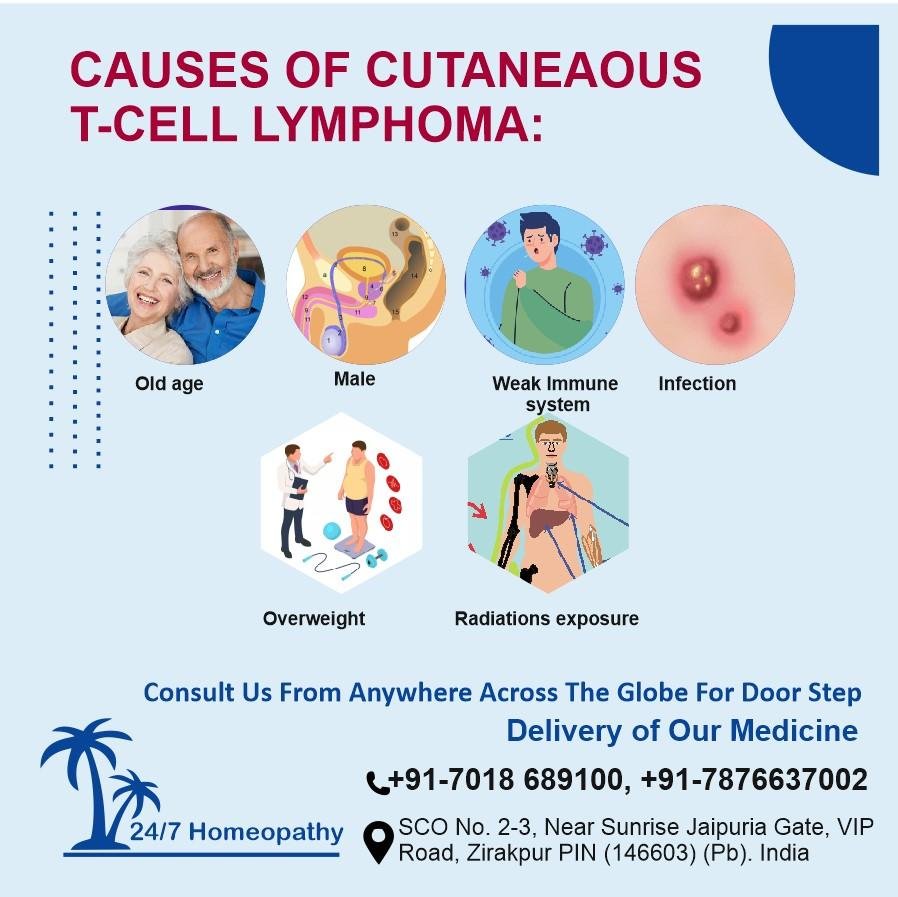
Causes and Risk Factors of Cutaneous T-Cell Lymphoma
The exact cause of CTCL is not known in most cases.
The original information provided by Dr. Ruchi identifies several factors that may be associated with an increased risk:
Age
CTCL is more commonly diagnosed in older adults.
Sex
The provided information identifies males as having a higher risk.
Weakened Immune System
Changes or weakness in immune function may be associated with an increased risk of developing certain lymphomas.
Infection
Certain infections or immune-related factors may be associated with lymphoma risk.
Overweight
Being overweight is included in the original information as a possible risk factor.
Radiation Exposure
Radiation exposure is also included among the potential risk factors.
Having one or more risk factors does not mean that a person will definitely develop CTCL.
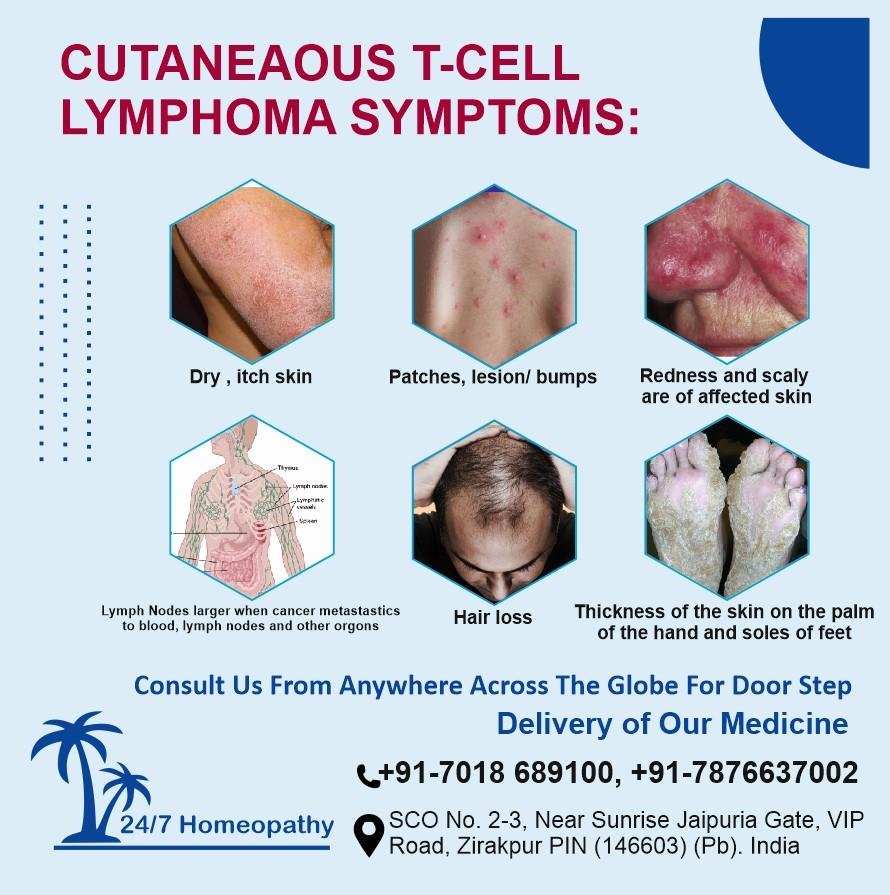
Symptoms of Cutaneous T-Cell Lymphoma
CTCL primarily affects the skin, so skin changes are often among the first noticeable symptoms.
Common symptoms mentioned in the provided information include:
Dry and Itchy Skin
The affected skin may become unusually dry and may cause persistent or intense itching.
Patches, Lesions or Bumps
Different types of skin lesions may develop. They can appear as patches, plaques, bumps or other abnormal areas.
Redness and Scaling
Affected areas may become red, irritated or scaly.
Enlarged Lymph Nodes
Lymph nodes may become enlarged, particularly if the disease involves the lymphatic system.
Hair Loss
Hair loss can occur when the disease affects areas of skin containing hair follicles.
Thickened Skin
The skin on the palms of the hands and soles of the feet may become thicker in some patients.
Because CTCL can resemble eczema, psoriasis and other skin conditions, persistent or unusual skin changes should be assessed by a qualified healthcare professional.
Diagnosis of Cutaneous T-Cell Lymphoma
Diagnosing CTCL may require several examinations and investigations.
Physical Examination
A doctor examines the skin and asks about the duration, progression and characteristics of the skin changes.
Skin Biopsy
A skin biopsy is an important investigation when CTCL is suspected. A small sample of affected skin is examined in a laboratory to identify abnormal lymphocytes and other changes.
Blood Tests
Blood tests can help assess the blood and look for evidence of abnormal lymphocytes or other changes.
Imaging Tests
Depending on the clinical situation, imaging may include:
- MRI
- CT scan
- X-ray
These tests may be used to assess lymph nodes or other areas when involvement beyond the skin is suspected.
Lymph Node or Bone Marrow Sampling
If clinically necessary, a sample from a lymph node or bone marrow may be examined to determine whether abnormal lymphocytes are present outside the skin.
The exact diagnostic process depends on the patient’s symptoms, examination findings and suspected type or stage of CTCL.
Precautions and Lifestyle Measures
There is no established lifestyle measure that can reliably prevent Cutaneous T-Cell Lymphoma.
However, the following measures from Dr. Ruchi’s original information may support general health:
- Avoid smoking.
- Avoid tobacco use.
- Limit alcohol intake.
- Eat a balanced diet containing vegetables and fruits.
- Maintain good personal hygiene.
- Wash hands regularly.
- Bathe regularly and keep the skin clean.
- Manage stress as part of overall well-being.
- Attend regular health checkups when recommended.
- Drink adequate water.
These measures support general health but should not be considered a treatment or cure for CTCL.
People with persistent skin patches, unexplained itching, unusual lesions or enlarged lymph nodes should seek medical evaluation rather than treating the condition only with home remedies.
Homeopathic Treatment Approach for Cutaneous T-Cell Lymphoma
At 247 Homeopathy, the homeopathic approach is considered according to the individual’s symptoms, medical history and overall health.
The remedies mentioned in Dr. Ruchi’s original notes include Calcarea Carb, Thuja and Mercurius Sol.
Calcarea Carb
The provided notes mention:
- Action involving the lymphatic glands
- A tendency toward degenerative or calcific changes
- Weakness of the legs, worse from exertion
- Petechial eruptions and unhealthy-looking skin
- Boils, ulceration and patches on the skin
- Night sweats
Thuja
The provided notes mention:
- Dry skin
- Brown spots on the skin
- Glandular enlargement
- Brittle, soft or deformed nails
- Skin that is very sensitive to touch
- Action described in the original notes in relation to the blood and skin
Mercurius Sol
The provided notes mention:
- Skin eruptions
- Intense itching affecting different areas of the body
- Copper-colored eruptions
- Offensive or unpleasant eczema-like eruptions
- Joint complaints, trembling and marked weakness
- Inflamed and swollen lymph glands, including those of the neck, groin and underarms
- Induration or hardening of inflamed areas
- Inflamed and hardened skin
Frequently Asked Questions
Can CTCL cause a widespread rash?
Yes. Depending on the type and stage, CTCL can cause skin changes over larger areas of the body. A persistent or spreading rash that does not respond as expected to usual treatment should be evaluated.
Can CTCL cause skin infections?
Damaged or extensively affected skin may be more vulnerable to infection, particularly in more advanced disease. Increasing redness, warmth, pain, drainage or fever should be medically assessed.
Can CTCL cause changes in skin colour?
Yes. Some forms of CTCL can cause areas of skin to become lighter or darker than the surrounding skin. Persistent unexplained changes in pigmentation should be examined by a healthcare professional.
Can CTCL cause nail changes?
Nail abnormalities can occur in some people with cutaneous lymphomas, particularly when the disease is more extensive. New or persistent nail changes should be evaluated to determine their cause.
Can CTCL spread beyond the skin?
Some forms of CTCL can involve lymph nodes, blood or internal organs, although this does not occur in every person. Doctors use examinations and appropriate tests to determine whether the disease h
Consultation at 247 Homeopathy, Zirakpur
If you are looking for a homeopathic consultation regarding Cutaneous T-Cell Lymphoma or persistent skin-related symptoms, 247 Homeopathy with Dr. Ruchi in Zirakpur, Punjab, provides individualized consultations based on the patient’s symptoms and health history.
Patients can discuss their skin symptoms, previous biopsy or investigation reports, current medicines and ongoing medical treatment during consultation.
For anyone with suspected or diagnosed CTCL, appropriate evaluation by a dermatologist and, when necessary, a hematologist or oncologist remains important. Any complementary homeopathic approach should be discussed with the treating medical team.


