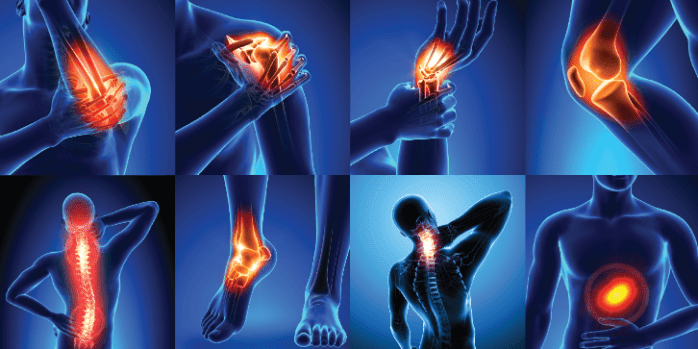
Body Pain
Body pain is an unpleasant sensation that can affect muscles, joints, bones or other parts of the body. Pain is processed through the nervous system and can develop gradually or suddenly, depending on its underlying cause.
Everyone experiences pain differently. Its location, intensity and duration can vary from person to person.
Body pain may occur after physical activity, an injury, poor posture or excessive use of muscles. It can also be associated with an underlying illness or medical condition.
What Is Body Pain?
Body pain is a general term used to describe discomfort or pain affecting one or more areas of the body.
The pain may feel:
- Aching
- Tearing
- Stiff
- Tender
- Heavy
- Bruised
- Sharp or uncomfortable
Some people experience pain only in one area, while others may have discomfort affecting several parts of the body.
Understanding where the pain occurs, how it feels and how long it has been present can help identify possible causes.
Types of Body Pain
Body pain can broadly be described as acute pain or chronic pain.
1. Acute Pain
Acute pain usually begins suddenly and is often associated with an identifiable cause, such as:
- An injury
- Muscle strain
- Sprain
- Infection or illness
- Surgery
- Other short-term medical conditions
Acute pain generally improves as the underlying problem heals or is treated.
The duration varies depending on the cause. If pain continues beyond the expected healing period, further evaluation may be needed.
2. Chronic Pain
Chronic pain persists for a longer period and may continue even after an original injury or illness has improved.
Long-lasting pain can affect:
- Sleep
- Physical activity
- Work
- Mood
- Daily activities
- Overall quality of life
Chronic pain may have an identifiable cause, while in some cases the exact reason can be difficult to determine.
Persistent pain should be assessed by a healthcare professional rather than managed only with pain-relieving measures.
Common Causes and Risk Factors of Body Pain
Many different factors can contribute to body pain.
Poor Posture
Sitting, standing or working in an unsuitable position for long periods can place additional stress on muscles and joints.
Excessive or Improper Exercise
Suddenly increasing exercise intensity or performing exercises incorrectly may strain muscles, tendons or ligaments.
Poor Physical Conditioning
Weak or poorly conditioned muscles may become tired or painful during activities that require greater physical effort.
Sudden Awkward Movement
An unexpected movement or incorrect lifting technique can cause muscle strain or other soft-tissue injuries.
Muscle Overuse
Repeated or excessive use of muscles, tendons or ligaments may result in soreness, stiffness or pain.
Injuries
Sprains, strains, falls and other injuries can produce localized or widespread discomfort depending on the affected area.
Other Health Conditions
Body pain can also occur with infections, inflammatory conditions, arthritis and other medical problems. Widespread or unexplained pain therefore should not automatically be attributed to posture or physical activity.
Symptoms Associated With Body Pain
The symptoms depend on the underlying cause and the affected part of the body.
A person may experience:
- Muscle aches
- Joint pain
- Stiffness
- Tenderness
- Heaviness in the limbs
- Tearing or aching sensations
- Reduced movement
- Muscle weakness
- Bruised or sore feeling
- Pain after physical activity
Some people may also experience fatigue or difficulty sleeping when pain persists for a long time.
When Should Body Pain Be Evaluated?
Occasional muscle soreness after physical activity may improve with rest and appropriate self-care.
However, seek medical evaluation if body pain:
- Is severe or rapidly worsening
- Continues for a prolonged period
- Repeatedly returns without an obvious cause
- Follows a significant injury
- Is associated with fever
- Occurs with unexplained weight loss
- Is accompanied by significant weakness or numbness
- Causes difficulty walking or using a limb
- Interferes substantially with sleep or daily activities
Sudden severe pain accompanied by other serious symptoms requires prompt medical attention.
Diagnosis of Body Pain
There is no single test for body pain because the appropriate evaluation depends on its location, duration and possible cause.
A healthcare professional may consider:
- Location and type of pain
- When the pain started
- Recent exercise or injury
- Posture and physical activity
- Other symptoms
- Medical history
- Medicines being taken
Depending on the symptoms, a physical examination or additional investigations may be recommended.
Precautions and Lifestyle Tips
Simple measures may help prevent or reduce body pain related to muscle strain and everyday physical stress.
Maintain Good Posture
Use an appropriate sitting and working position, particularly when spending long periods at a desk.
Exercise Regularly
Regular physical activity can support muscle strength and flexibility. Increase exercise intensity gradually rather than suddenly.
Warm Up Before Exercise
Gentle warm-up exercises can prepare muscles and joints for physical activity.
Avoid Overuse
Give the body sufficient recovery time after strenuous activity and avoid repeatedly working through significant pain.
Use Proper Lifting Techniques
When lifting objects, use appropriate body mechanics and avoid sudden twisting movements.
Maintain a Healthy Weight
Maintaining a healthy body weight can reduce unnecessary stress on weight-bearing joints and support general physical health.
Get Adequate Rest
Sleep and recovery are important, particularly when the body is experiencing muscle soreness or fatigue.
Homeopathic Treatment Approach for Body Pain
At 247 Homeopathy, Dr. Ruchi considers the location, character and associated symptoms of pain when discussing a homeopathic approach.
The following remedies are included in Dr. Ruchi’s original information for different patterns of body pain.
1. Rhus Tox
The supplied indications include:
- Tearing pain in tendons, ligaments and fascia
- Stiffness associated with pain
- Reduced muscular power in the affected area
- Tenderness around the painful area
2. Kali Carb
The original information describes:
- Uneasiness and heaviness in the limbs
- Tearing pain in the limbs
- Knee pain associated with arthritis
- Sensitivity of the body to pressure
- Painful fingertips and toes
3. Lobelia Inflata
The supplied indications include:
- Pain in the sacral region
- Marked sensitivity to touch
- Difficulty sitting comfortably because of pain
4. Ruta
The original information includes:
- Jerking sensations
- Bruised feeling
- Body pain associated with sprain or injury
Frequently Asked Questions About Body Pain
What causes body pain?
Body pain can result from muscle overuse, injuries, poor posture, strenuous exercise, sudden movements and various medical conditions.
What is the difference between acute and chronic pain?
Acute pain generally develops suddenly and is often related to an identifiable short-term problem. Chronic pain persists for a longer period and may continue even after the original injury or illness has improved.
Can poor posture cause body pain?
Yes. Poor posture maintained for long periods can place additional stress on muscles, joints and other tissues and may contribute to pain.
Can exercise cause body pain?
Yes. New, strenuous or improperly performed exercise can cause muscle soreness or strain. Persistent or severe pain after exercise should be evaluated.
Why does my whole body hurt?
Widespread body pain can have many possible causes, including physical overexertion, infections, inflammatory conditions and other health problems. Persistent widespread pain should be assessed by a healthcare professional.
Can body pain affect sleep?
Yes. Persistent pain can make it difficult to fall asleep, remain asleep or find a comfortable sleeping position.
How can I prevent body pain?
Maintaining good posture, exercising regularly, warming up before strenuous activity, avoiding muscle overuse, using proper lifting techniques and getting adequate rest can help reduce some common causes of body pain.
When should I see a doctor for body pain?
Seek professional evaluation when pain is severe, persistent, unexplained, repeatedly returning or associated with symptoms such as fever, weakness, numbness, significant swelling or difficulty moving.
Can homeopathy help with body pain?
Homeopathic treatment may be discussed according to an individual’s specific symptoms and overall health. However, the appropriate management depends on the underlying cause of pain, and homeopathy should not replace necessary medical evaluation or treatment.
Is chronic body pain always caused by an injury?
No. Chronic pain can have many causes and may sometimes continue after an injury has healed. A proper evaluation can help identify possible contributing factors.
Consultation at 247 Homeopathy, Zirakpur
If you are experiencing persistent body pain, muscle discomfort, stiffness or recurring pain, you can consult Dr. Ruchi at 247 Homeopathy, Zirakpur, Punjab.
During a consultation, Dr. Ruchi can review:
- Location of the pain
- Nature and intensity of the pain
- Duration of symptoms
- Factors that worsen or relieve the pain
- Previous injuries
- Physical activity and exercise
- Associated symptoms
- Relevant health history
Based on the overall symptom picture, Dr. Ruchi can discuss an individualized homeopathic approach.
If pain is severe, unexplained, rapidly worsening or associated with concerning symptoms, appropriate medical assessment should not be delayed.


