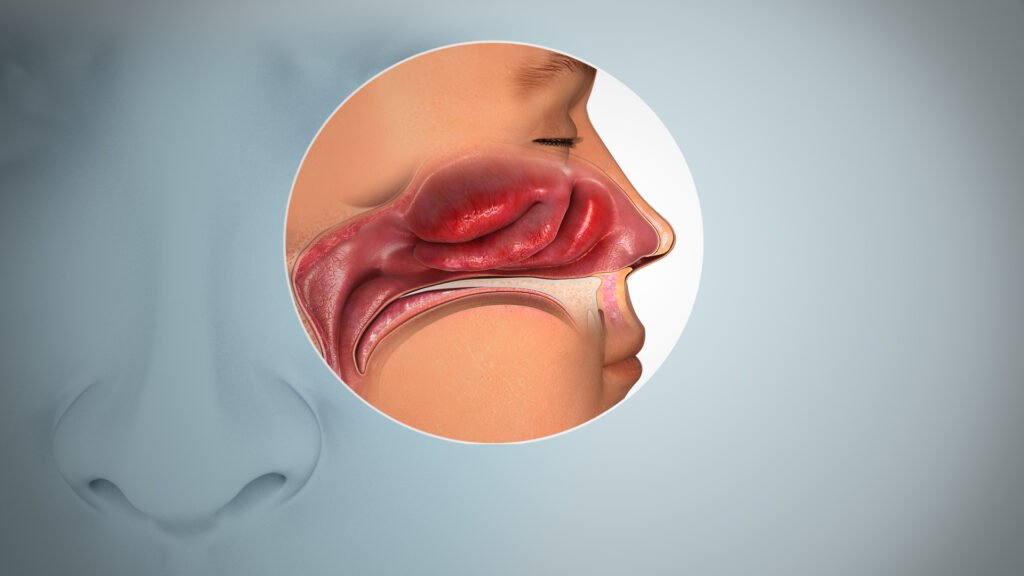
Anosmia
Anosmia is the complete or partial loss of the sense of smell. It may develop temporarily due to a common cold or allergies, or it may occur because of nasal disorders, infections, neurological conditions, or head injuries. Since the sense of smell contributes significantly to the ability to taste food, anosmia can also reduce appetite and affect quality of life.
While temporary loss of smell often improves after the underlying illness resolves, persistent anosmia should be evaluated by a healthcare professional to determine the cause and begin appropriate treatment.
At 247 Homeopathy, Dr. Ruchi provides individualized homeopathic consultations as a complementary approach to support patients experiencing anosmia while ensuring proper medical evaluation whenever required.
What is Anosmia?
Anosmia is a condition in which a person loses the ability to detect odors either completely or partially.
Normally, odor molecules stimulate specialized nerve cells inside the nose. These signals travel through the olfactory nerve to the brain, where smells are identified. Any condition that blocks the nasal passages or damages the olfactory nerve or brain pathways can lead to loss of smell.
Anosmia may be:
- Temporary, such as during a cold or sinus infection.
- Long-term or permanent, when caused by nerve damage, neurological diseases, or structural abnormalities.
Causes and Risk Factors
Several conditions can interfere with the sense of smell.
Nasal Polyps
Soft, non-cancerous growths inside the nose may block airflow and reduce the ability to smell.
Common Cold and Influenza
Viral infections can cause nasal congestion and inflammation, temporarily blocking odor perception.
COVID-19
Loss of smell is one of the well-recognized symptoms of COVID-19 and may occur even without severe nasal congestion.
Allergic Rhinitis (Hay Fever)
Allergic inflammation causes swelling of the nasal lining, leading to temporary reduction in the sense of smell.
Sinusitis
Chronic or recurrent sinus infections may interfere with normal smell perception.
Head Injury
Trauma to the head may damage the olfactory nerve or brain regions responsible for processing smell.
Congenital Anosmia
Some individuals are born without a functional sense of smell due to developmental abnormalities.
Neurological Disorders
Conditions such as:
- Alzheimer’s disease
- Parkinson’s disease
- Dementia
- Brain atrophy
may affect the nerve pathways involved in smell.
Brain Tumors
Rarely, tumors involving the brain or olfactory pathways may cause persistent anosmia.
Medications
Certain medications, including some antibiotics, nasal sprays, and other drugs, may contribute to altered smell perception.
Symptoms
The primary symptom is a reduced or complete inability to detect odors.
Other associated symptoms may include:
- Partial or complete loss of smell
- Reduced ability to taste food
- Nasal congestion
- Runny nose
- Sneezing
- Sinus pressure
- Headache
- Fever (during infections)
- Cough
- Facial discomfort
- Reduced appetite due to altered taste
Symptoms vary according to the underlying cause.
When Should You See a Doctor?
Consult a healthcare provider if:
- Loss of smell lasts for more than two to three weeks.
- Symptoms begin after a head injury.
- You experience repeated sinus infections.
- Loss of smell is associated with vision changes, severe headache, or neurological symptoms.
- You develop unexplained weight loss or persistent nasal blockage.
Early diagnosis is important, especially if anosmia results from neurological or structural conditions.
Diagnosis
A detailed medical evaluation helps determine the underlying cause.
Common investigations include:
Physical Examination
Assessment of the nose, sinuses, and neurological function.
Nasal Endoscopy
A thin camera is used to examine the nasal passages for polyps, swelling, or structural abnormalities.
Blood Tests
- Absolute Eosinophil Count (AEC) for allergies
- Other laboratory tests as indicated
Imaging Studies
- CT Scan of the nose and sinuses
- MRI of the brain when neurological disease or tumors are suspected
COVID-19 Testing
RT-PCR or other appropriate tests may be recommended when viral infection is suspected.
Conventional Treatment Overview
Treatment depends on the underlying cause.
Management may include:
- Treatment of nasal allergies
- Medications for sinus infections when indicated
- Nasal steroid sprays prescribed by a physician
- Removal of nasal polyps if necessary
- Smell training therapy
- Management of neurological disorders
- Treatment of COVID-19 or other viral illnesses according to current medical guidelines
Many patients with viral infections regain their sense of smell gradually over time.
Precautions and Lifestyle Tips
These measures may support recovery and help reduce symptoms:
- Avoid smoking and tobacco products.
- Limit alcohol consumption.
- Avoid known allergens whenever possible.
- Practice good nasal hygiene.
- Stay well hydrated.
- Perform steam inhalation if recommended by your doctor.
- Avoid unnecessary self-medication with antibiotics or nasal sprays.
- Eat a balanced diet to support immune health.
- Seek medical evaluation if symptoms persist.
Homeopathic Treatment Approach
Loss of smell can occur due to a variety of medical conditions, making proper diagnosis essential before beginning treatment. Homeopathy should not replace appropriate medical care, particularly when anosmia is associated with neurological disorders, head injuries, tumors, or persistent nasal obstruction.
At 247 Homeopathy, Dr. Ruchi provides individualized homeopathic treatment after evaluating each patient’s medical history, symptoms, lifestyle, and the possible underlying cause.
Some commonly prescribed homeopathic medicines include:
Lemna Minor
May be considered for patients with nasal polyps, chronic nasal blockage, frequent sneezing, thick nasal discharge, and reduced sense of smell, particularly when symptoms worsen in damp weather.
Pulsatilla Nigricans
May be selected in patients experiencing nasal congestion, diminished smell and taste, bland yellow nasal discharge, and swelling of the nasal mucosa.
Ammonium Muriaticum
Sometimes prescribed when anosmia is associated with persistent sneezing, watery nasal discharge, nasal blockage, and irritation around the nostrils.
Kali Bichromicum
Often considered in patients with chronic sinusitis, thick sticky yellow-green nasal discharge, nasal obstruction, and reduced smell associated with sinus inflammation.
Homeopathic medicines are prescribed only after an individualized consultation and should be used as a complementary approach alongside appropriate conventional medical care.
Frequently Asked Questions (FAQs)
What is anosmia?
Anosmia is the complete or partial loss of the sense of smell.
What is the most common cause of anosmia?
Common causes include viral infections, allergies, sinusitis, nasal polyps, and COVID-19.
Can COVID-19 cause loss of smell?
Yes. Loss of smell is a common symptom of COVID-19 and may occur even without severe nasal congestion.
Can anosmia be permanent?
Yes. While many cases improve after the underlying illness resolves, anosmia caused by nerve damage, neurological disease, or severe trauma may be long-lasting or permanent.
How is anosmia diagnosed?
Doctors diagnose anosmia through medical history, physical examination, nasal endoscopy, imaging studies, and laboratory investigations depending on the suspected cause.
Can homeopathy help with anosmia?
Homeopathy may be used as a complementary approach after proper medical evaluation. The treatment is individualized according to each patient’s symptoms and should not replace conventional treatment when serious underlying conditions are present.
Consult Dr. Ruchi at 247 Homeopathy, Zirakpur
If you have experienced a temporary or persistent loss of smell, it is important to identify the underlying cause through appropriate medical evaluation.
At homeopathy treatment with 24/7 Homeopathy 247 Homeopathy, Dr. Ruchi offers individualized homeopathic consultations that complement conventional medical care. Each treatment plan is based on a detailed assessment of your symptoms, medical history, and overall health.
Patients from Zirakpur, Chandigarh, Mohali, Panchkula, and nearby areas can consult Dr. Ruchi through in-clinic or online appointments. Personalized treatment plans and medicine delivery are available for eligible patients.


