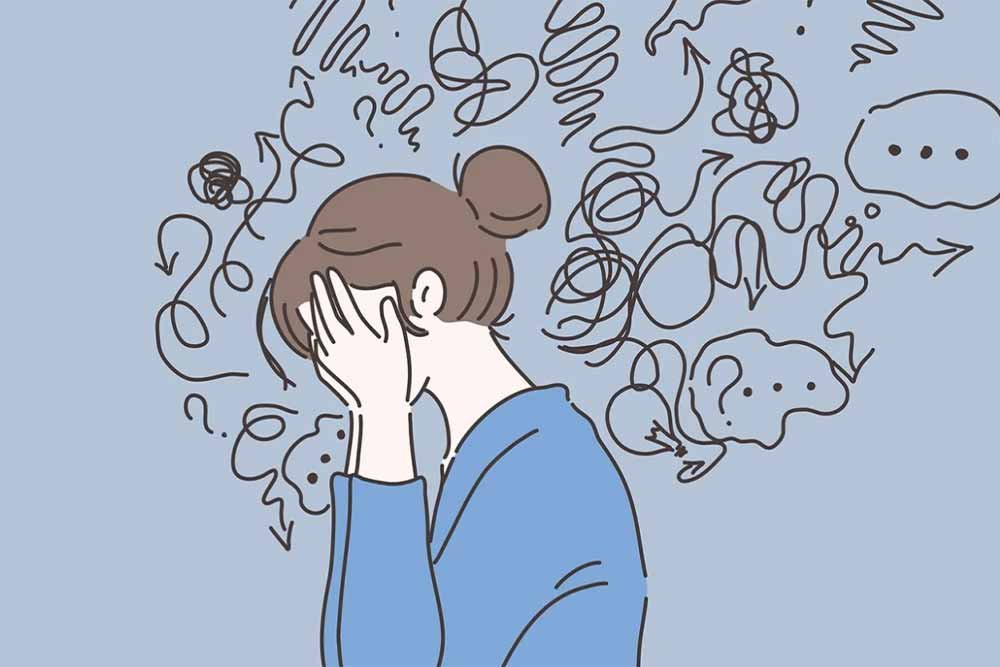
Anxiety Disorder
Feeling anxious before an important event, examination, interview, or life change is a normal part of life. However, when anxiety becomes persistent, excessive, difficult to control, and begins to interfere with daily activities, relationships, work, or sleep, it may indicate an anxiety disorder.
Anxiety disorders are among the most common mental health conditions and can affect people of all ages. With timely diagnosis, lifestyle changes, psychological support, and appropriate medical treatment, most people can successfully manage their symptoms and improve their quality of life.
At 247 Homeopathy, Dr. Ruchi provides individualized homeopathic consultations as a complementary approach for patients with anxiety disorders while encouraging appropriate psychiatric or psychological care whenever needed.
What is Anxiety Disorder?
An anxiety disorder is a mental health condition characterized by persistent fear, excessive worry, nervousness, or panic that is disproportionate to the actual situation.
Unlike temporary stress, anxiety disorders continue for weeks or months and may significantly affect personal, social, academic, and professional life.
Several types of anxiety disorders exist, each having its own pattern of symptoms.
Types of Anxiety Disorders
Generalized Anxiety Disorder (GAD)
People with GAD experience excessive and ongoing worry about everyday situations such as work, health, finances, family, or future events, even when there is little or no reason for concern.
Panic Disorder
This condition involves sudden panic attacks that may include:
- Rapid heartbeat
- Sweating
- Chest discomfort
- Shortness of breath
- Trembling
- Feeling of losing control
- Fear of dying
Specific Phobias
An intense fear of particular objects or situations such as:
- Heights
- Flying
- Water
- Insects
- Needles
- Snakes
- Crowded places
Obsessive-Compulsive Disorder (OCD)
Although now classified separately, OCD shares anxiety-related features. People experience unwanted repetitive thoughts (obsessions) followed by repetitive behaviors (compulsions), such as excessive hand washing or repeatedly checking locks.
Separation Anxiety Disorder
Excessive fear or distress related to separation from loved ones or caregivers.
Causes and Risk Factors
The exact cause of anxiety disorders is complex and usually involves multiple factors.
Common causes and risk factors include:
Genetics
A family history of anxiety or other mental health disorders may increase the risk.
Brain Chemistry
Imbalances in neurotransmitters such as serotonin, dopamine, GABA, and norepinephrine can influence anxiety symptoms.
Chronic Stress
Long-term stress related to work, finances, relationships, or personal loss can contribute to anxiety disorders.
Hormonal Changes
Hormonal fluctuations involving thyroid hormones, reproductive hormones, or other endocrine disorders may contribute to anxiety symptoms.
Medical Conditions
Certain illnesses may increase anxiety, including:
- Thyroid disorders
- Heart disease
- Chronic pain
- Respiratory illnesses
Alcohol, Smoking, and Drug Use
Alcohol, nicotine, recreational drugs, and withdrawal from certain substances may worsen anxiety symptoms.
Environmental Factors
- Childhood trauma
- Emotional abuse
- Relationship problems
- Family conflict
- Major life changes
Gender
Women are diagnosed with anxiety disorders more frequently than men, although both can be affected.
Symptoms of Anxiety Disorder
Symptoms vary from person to person but commonly include:
Emotional Symptoms
- Persistent worrying
- Feeling nervous or fearful
- Difficulty relaxing
- Feeling overwhelmed
- Irritability
Physical Symptoms
- Rapid heartbeat (palpitations)
- Sweating
- Trembling
- Dry mouth
- Muscle tension
- Shortness of breath
- Chest tightness
- Dizziness
Cognitive Symptoms
- Difficulty concentrating
- Racing thoughts
- Constant anticipation of danger
- Overthinking
- Poor memory due to anxiety
Sleep Symptoms
- Difficulty falling asleep
- Frequent waking
- Poor-quality sleep
- Fatigue during the day
When Should You See a Doctor?
Seek professional help if:
- Anxiety lasts for several weeks or months.
- It interferes with work, school, or relationships.
- You experience frequent panic attacks.
- Sleep is severely disturbed.
- Anxiety causes avoidance of daily activities.
- You develop symptoms of depression or thoughts of self-harm.
Early treatment often leads to better long-term outcomes.
Diagnosis
There is no single test that confirms anxiety disorder.
Diagnosis usually involves:
- Detailed medical history
- Psychological assessment
- Physical examination
- Review of medications
- Evaluation of stressors and lifestyle
- Thyroid function tests (if indicated)
- Blood tests to rule out medical causes
- Screening questionnaires based on recognized diagnostic criteria
Conventional Treatment Overview
Treatment depends on the severity of symptoms and individual needs.
Management may include:
- Cognitive Behavioral Therapy (CBT)
- Counseling or psychotherapy
- Stress management techniques
- Relaxation therapy
- Mindfulness and meditation
- Anti-anxiety medications when prescribed
- Antidepressant medications where appropriate
- Regular follow-up with a mental health professional
Many patients benefit from a combination of therapy, healthy lifestyle changes, and medical treatment.
Lifestyle Tips for Managing Anxiety
Healthy daily habits can significantly improve anxiety symptoms.
Practice Regular Exercise
Physical activity helps reduce stress hormones and improves mood.
Prioritize Good Sleep
Aim for 7–9 hours of quality sleep every night.
Reduce Caffeine
Limit coffee, energy drinks, and excessive tea if they worsen anxiety.
Avoid Smoking and Alcohol
Nicotine and alcohol may temporarily relieve stress but often worsen anxiety over time.
Practice Relaxation Techniques
- Deep breathing
- Meditation
- Yoga
- Progressive muscle relaxation
Eat a Balanced Diet
Consume nutritious meals rich in whole grains, fruits, vegetables, lean proteins, and healthy fats.
Identify Your Triggers
Recognizing situations that increase anxiety can help you develop effective coping strategies.
Homeopathic Treatment Approach
At 247 Homeopathy, Dr. Ruchi believes that every individual experiences anxiety differently. Homeopathic treatment is therefore selected after understanding the patient’s emotional state, physical symptoms, personality, medical history, and overall health.
Homeopathy may be used as a complementary approach for patients seeking holistic support alongside appropriate psychological or psychiatric care. It should not replace emergency mental health treatment in severe anxiety, panic attacks, or situations involving suicidal thoughts.
Some commonly prescribed homeopathic medicines include:
Argentum Nitricum
May be considered in individuals with anticipatory anxiety, fear of heights, nervousness before important events, impulsiveness, and a tendency to hurry.
Arsenicum Album
Often prescribed for intense restlessness, fear of being alone, fear of illness or death, anxiety with cold perspiration, and feelings of insecurity.
Gelsemium
May be suitable for performance anxiety, examination fear, stage fright, trembling, weakness, headache, and anticipatory nervousness.
Lycopodium
Sometimes selected for individuals with low self-confidence, fear of public speaking, claustrophobic tendencies, and anxiety before social or professional situations.
Homeopathic medicines should always be prescribed by a qualified practitioner after a comprehensive consultation.
Frequently Asked Questions
Can anxiety cause physical symptoms like chest pain or dizziness?
Yes. Anxiety can cause physical symptoms such as a racing heartbeat, dizziness, sweating, trembling, muscle tension and chest discomfort. However, new or severe physical symptoms should not automatically be assumed to be caused by anxiety.
Can anxiety cause stomach problems?
Yes. Anxiety can affect the digestive system and may be associated with nausea, stomach discomfort, changes in bowel habits or a feeling of butterflies in the stomach. Persistent digestive symptoms may have other causes and should be evaluated when necessary.
Can anxiety cause trouble sleeping?
Yes. Excessive worry and a state of heightened alertness can make it difficult to fall asleep or stay asleep. Ongoing sleep problems can also worsen anxiety symptoms.
Can anxiety cause difficulty concentrating or memory problems?
Yes. Persistent worry can make it harder to concentrate, focus or remember information. These difficulties may improve when anxiety is better managed, but persistent cognitive changes should be discussed with a healthcare professional.
Can anxiety symptoms come and go?
Yes. Anxiety symptoms may fluctuate depending on stress, circumstances and individual triggers. Recurrent symptoms that interfere with work, relationships, sleep or daily activities may benefit from professional assessment.
Can anxiety cause a feeling of not getting enough air?
Yes. Anxiety or panic can cause rapid breathing and a sensation of breathlessness or difficulty getting enough air. New, severe or unexplained breathing difficulty requires medical evaluation rather than being assumed
Consult Dr. Ruchi at 247 Homeopathy, Zirakpur
If persistent anxiety, panic attacks, or excessive worry are affecting your daily life, early professional guidance can make a significant difference.
At 247 Homeopathy, Dr. Ruchi offers individualized homeopathic consultations tailored to each patient’s emotional and physical health. Every treatment plan is prepared after a detailed evaluation of symptoms, medical history, lifestyle, and overall well-being.
Patients from Zirakpur, Chandigarh, Mohali, Panchkula, and nearby areas can book in-clinic or online consultations. Personalized treatment plans and medicine delivery are available for eligible patients across India and internationally.


