Meningitis
Meningitis is inflammation of the meninges, the protective membranes surrounding the brain and spinal cord. It can occur at any age and may be caused by infections such as viruses, bacteria, fungi and, less commonly, other organisms or conditions.
Viral meningitis is often less severe than bacterial meningitis. Bacterial meningitis can be life-threatening and requires urgent medical treatment.
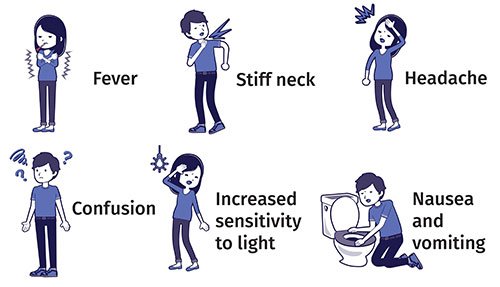
Because meningitis can progress quickly, symptoms such as severe headache, fever, neck stiffness, seizures, confusion or unusual drowsiness should be treated as a medical emergency.
What Is Meningitis?
The meninges are protective layers surrounding the brain and spinal cord. When these membranes become inflamed, the condition is called meningitis.
Meningitis can affect children, teenagers, young adults and older adults. The cause and severity can vary depending on the type of infection.
Types of Meningitis
Meningitis may be caused by:
- Viral infections
- Bacterial infections
- Fungal infections
- Other, less common causes
Viral meningitis is generally less severe than bacterial meningitis, although medical evaluation is still important.
Bacterial meningitis can become serious rapidly and may lead to complications if treatment is delayed.
Causes and Risk Factors of Meningitis
1. Viral Infections
Several viruses can cause meningitis. The doctor’s content specifically mentions enteroviruses and coxsackieviruses.
Viral meningitis may be more common during certain seasons, including summer.
2. Bacterial Infections
Different bacteria can cause meningitis depending on the person’s age and other risk factors.
The doctor’s content mentions:
- Group B Streptococcus as an important cause in newborns
- Neisseria meningitidis (meningococcus), particularly in children and teenagers
- Streptococcus pneumoniae (pneumococcus) as an important cause in adults
Some bacterial infections can be transmitted from a mother to her newborn during delivery.
3. Fungal Infections
Fungal meningitis is uncommon and is more likely to affect people with weakened immune systems or certain underlying conditions.
4. Other Risk Factors
The doctor’s content also mentions:
- Endocarditis, where bacteria can enter the bloodstream
- Head trauma
- Skull fracture
- Weakened immune system
- Certain pre-existing illnesses
- HIV infection
- Chemotherapy
- Ear infections such as otitis media and mastoiditis
- Previous or active tuberculosis
The specific cause needs to be determined through appropriate medical evaluation.
Symptoms of Meningitis
Common symptoms mentioned in the doctor’s content include:
- Severe headache
- Fever
- Stiffness of the neck
- Drowsiness
- Seizures
- Altered mental status or confusion
- Sensitivity to light (photophobia)
- Nausea and vomiting
- Diarrhea
- Leg pain
- Cold extremities
- Meningococcal rash
Signs of Meningitis in Newborns
Newborns may not show the same symptoms as older children or adults. The doctor’s content mentions:
- High fever
- Persistent crying
- Irritability
- Poor appetite or difficulty feeding
- Swelling or bulging of the soft area on the baby’s head
- Vomiting
- Neck stiffness or pain
A baby with fever, unusual irritability, poor feeding, excessive sleepiness, seizures or other concerning symptoms requires urgent medical assessment.
Diagnosis of Meningitis
Diagnosis may involve several tests depending on the suspected cause.
Spinal Tap
A lumbar puncture (spinal tap) may be performed to collect cerebrospinal fluid (CSF). Testing the fluid can help determine whether meningitis is present and identify its likely cause.
Imaging
Doctors may use:
- CT scan
- MRI
Imaging may be recommended in particular clinical situations.
Blood Tests
The doctor’s content mentions:
- C-reactive protein (CRP)
- Complete blood count (CBC)
- Blood culture
The exact investigations depend on the person’s symptoms, age and clinical condition.
Precautions and Supportive Care
Because meningitis can become serious quickly, suspected meningitis should not be managed with home remedies alone.
Patients and families should:
- Seek urgent medical assessment when meningitis is suspected.
- Follow the prescribed treatment plan carefully.
- Complete antimicrobial treatment when prescribed for bacterial infection.
- Maintain adequate fluids when medically appropriate.
- Attend follow-up appointments.
- Inform the treating doctor about immune-system problems, recent infections, tuberculosis history or recent head trauma.
Preventive measures may include recommended vaccinations, good hand hygiene and avoiding close contact with people who have certain contagious infections.

Homeopathic Treatment Approach
The following medicines are included in Dr. Ruchi’s existing homeopathic section. The symptom descriptions have been retained while organizing them into a clearer patient-friendly format.
Belladonna
The doctor’s content describes Belladonna as an indicated medicine in the early stage when symptoms include:
- Severe headache
- Cerebral irritation
- Sleepiness and crying during sleep in babies
- Fever with a flushed or red face
- Increased body heat
- Palpitations
Cicuta
The doctor’s content mentions Cicuta in the initial stage when symptoms include:
- Convulsions with unconsciousness
- Twitching of the fingers and hands
- Stiffness of the neck
- Head drawn backward
- Jerking or twitching of different body parts
Apis Mellifica
The symptom indications mentioned in the doctor’s content include:
- Delirium and drowsiness
- Confusion and dullness
- Pain at the back of the head
- Double vision or difficulty seeing
- Symptoms associated with swelling around the brain and meninges
- Hydrocephalus-related symptoms
Prognosis
The recovery period depends on the cause and severity of meningitis.
Many cases of viral meningitis improve over time, but some people may take several weeks to fully recover. Bacterial meningitis can be much more serious and may cause life-threatening complications without prompt treatment.
The outcome also depends on the person’s age, overall health, cause of infection and how quickly treatment is started.
Frequently Asked Questions
1. Can meningitis cause a rash that does not fade when pressed?
Yes. Some forms of meningitis, particularly meningococcal infection, can be associated with a rash that does not fade when pressure is applied. A rapidly developing rash with fever or other meningitis symptoms requires emergency medical attention.
2. Can meningitis cause confusion or unusual behavior?
Yes. Meningitis can cause confusion, drowsiness, irritability or changes in behavior, particularly when the infection affects the brain or causes severe inflammation. Sudden changes in mental state require urgent medical evaluation.
3. Can meningitis cause seizures?
Yes. Seizures can occur with meningitis, especially in severe infections or when the brain is affected. A first or prolonged seizure requires emergency medical care.
4. Can meningitis cause sensitivity to light?
Yes. Sensitivity to light (photophobia) is a possible symptom of meningitis and may occur along with severe headache, fever, nausea or neck stiffness.
5. Can meningitis cause hearing loss?
Yes. Hearing problems can occur as a complication of meningitis, particularly after bacterial meningitis. New hearing loss following or during meningitis should be assessed by a healthcare professional.
6. Can meningitis come back after recovery?
Meningitis can occur again, although this is uncommon for many people. The risk depends on the underlying cause and individual factors. Recurrent episodes require medical evaluation to determine why they are occurring.
Consultation at 247 Homeopathy
If you are recovering from meningitis or wish to discuss complementary homeopathic care after appropriate medical evaluation and treatment, you can consult Dr. Ruchi at 247 Homeopathy, Zirakpur, Punjab.
247 Homeopathy provides consultation for patients from Zirakpur and nearby areas, as well as patients seeking consultation from other parts of India and worldwide.
For suspected or acute meningitis, please seek immediate medical care first. Homeopathic consultation should not delay emergency assessment, hospital treatment or prescribed antimicrobial therapy.
Consult Dr. Ruchi at 247 Homeopathy, Zirakpur, to discuss your individual symptoms and complementary care approach.


