Low Blood Pressure
Low blood pressure, also called hypotension, occurs when blood pressure is lower than the range expected for an individual. A reading around 90/60 mmHg or lower is commonly considered low blood pressure, although a low reading does not always mean there is a medical problem.
Some people naturally have low blood pressure without symptoms, while in others it can be related to dehydration, blood loss, medications or an underlying health condition. When blood pressure falls significantly, it may cause dizziness, weakness, fainting or other symptoms.
At 247 Homeopathy, Zirakpur, Dr. Ruchi provides individualized homeopathic consultations based on the patient’s symptoms and overall health. Online consultation is also available for patients from India and worldwide.
What Is Low Blood Pressure?
Blood pressure is the force exerted by circulating blood against the walls of the blood vessels. It is recorded using two numbers:
- Systolic blood pressure: The pressure when the heart contracts and pumps blood.
- Diastolic blood pressure: The pressure when the heart relaxes between beats.
A blood pressure reading can vary depending on activity, hydration, medications, age and other factors. Therefore, the number should be considered together with symptoms and overall health.
Types of Low Blood Pressure
1. Orthostatic Hypotension
Orthostatic hypotension occurs when blood pressure drops after standing up or changing position. A person may experience:
- Lightheadedness
- Dizziness
- Weakness
- Fainting
2. Neurally Mediated Hypotension
This type can occur after standing for a long period or after exercise. Symptoms may include dizziness, nausea or fainting.
3. Postprandial Hypotension
Postprandial hypotension refers to a drop in blood pressure after eating. It usually occurs within a few hours of a meal and may cause dizziness, weakness or fainting.
Causes of Low Blood Pressure
Low blood pressure can sometimes be a sign of another medical condition. The possible causes mentioned in Dr. Ruchi’s original content include:
Dehydration and Electrolyte Loss
Severe dehydration or loss of electrolytes can reduce blood volume and contribute to low blood pressure.
Blood Loss
Significant blood loss can cause blood pressure to fall. Heavy menstrual bleeding may also contribute to anemia or weakness in some people.
Anemia and Nutritional Deficiencies
Anemia and certain nutritional deficiencies can be associated with weakness and other symptoms that may occur alongside low blood pressure.
Medications
Certain medications, including some medicines used for hypertension, may lower blood pressure.
Cardiovascular Conditions
Heart-related conditions, including heart failure and other cardiovascular diseases, may affect blood pressure.
Hormonal and Metabolic Conditions
Conditions such as hypothyroidism, diabetes and hypoglycemia may be associated with low blood pressure in some people.
Other Possible Causes
Low blood pressure can also be associated with:
- Pregnancy
- Disorders affecting the central nervous system
- Severe infection or sepsis
- Certain medications
- Depression and other health conditions
The underlying cause is important because treatment depends on why blood pressure is low.
Symptoms of Low Blood Pressure
Some people with low blood pressure have no symptoms. When symptoms occur, they may include:
- Lethargy or unusual tiredness
- Lightheadedness
- Dizziness
- Fatigue
- Fainting
- Blurred vision
- Weak pulse
- Confusion
- Shallow breathing
- Cold, clammy skin
- Pale appearance, particularly when anemia is present
Symptoms may be more noticeable after standing suddenly, prolonged standing, exercise or inadequate fluid intake.
When Is Low Blood Pressure an Emergency?
A sudden or severe fall in blood pressure can sometimes indicate a serious medical problem.
Seek urgent medical attention if low blood pressure is accompanied by:
- Fainting or loss of consciousness
- Severe confusion
- Chest pain
- Severe shortness of breath
- Signs of significant bleeding
- Cold, clammy skin with marked weakness
- A very rapid or weak pulse
- Symptoms of severe infection
Do not rely on home treatment alone when low blood pressure is sudden, severe or associated with serious symptoms.
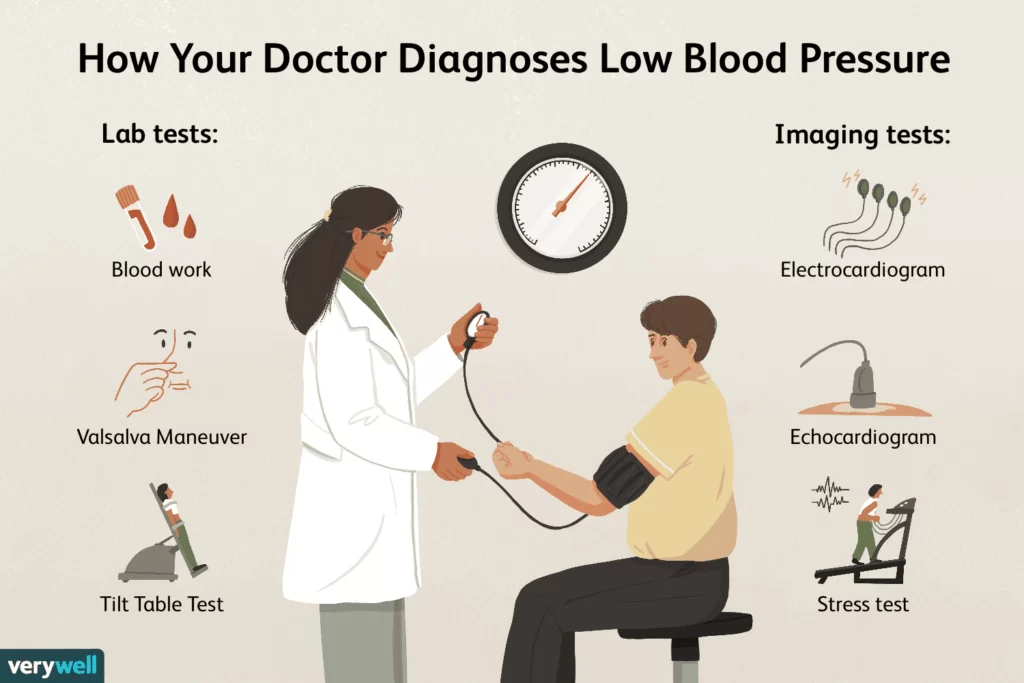
Diagnosis of Low Blood Pressure
The cause of low blood pressure needs to be evaluated when readings are repeatedly low or symptoms are present.
Blood Pressure and Pulse
A healthcare professional may repeatedly check blood pressure and pulse. Measurements may also be taken while lying down and after standing when postural hypotension is suspected.
ECG
An electrocardiogram (ECG) can assess heart rate and rhythm.
Blood Tests
Blood tests may be recommended to investigate possible causes such as:
- Anemia
- Nutritional deficiencies
- Thyroid problems, including T3, T4 and TSH abnormalities
- Blood sugar problems
- Other underlying conditions
Additional tests may be required depending on the patient’s symptoms and medical history.
Lifestyle and Management Tips for Low Blood Pressure
Management depends on the underlying cause. Some general measures mentioned in Dr. Ruchi’s original content include:
Stay Hydrated
Drink adequate fluids, particularly when dehydration may be contributing to low blood pressure.
Avoid Standing for Long Periods
If prolonged standing makes you dizzy or weak, take appropriate breaks and change position carefully.
Eat a Nutritious Diet
A balanced and nutritious diet can help support overall health.
Eat Smaller, More Frequent Meals
Some people may benefit from eating smaller meals more frequently, particularly when symptoms occur after eating.
Exercise Regularly
Appropriate regular exercise can support circulation and overall cardiovascular health.
Limit Alcohol
Reducing alcohol intake may help prevent blood pressure from dropping further in some people.
Manage Stress
Stress-management techniques such as relaxation exercises, adequate sleep and appropriate physical activity may support overall well-being.
Be Careful With Salt Intake
The original content mentions increasing dietary salt. However, increasing salt is not appropriate for everyone, particularly people with hypertension, heart disease, kidney disease or certain other conditions. Discuss any significant dietary salt change with your healthcare professional.
Homeopathic Treatment for Low Blood Pressure
At 247 Homeopathy, Zirakpur, Dr. Ruchi follows an individualized homeopathic approach based on the patient’s symptoms, health history and overall condition.
The remedies below are retained from Dr. Ruchi’s original content. Their selection in homeopathic practice is based on the individual symptom picture rather than simply the blood pressure reading.
Veratrum Album
The symptom pattern described in Dr. Ruchi’s content includes:
- Pale face
- Anemic appearance
- Profound prostration
- Collapse
- Extreme coldness
- Marked weakness
Glonoine
The symptom pattern described includes:
- Dizziness
- Heaviness in the head
- Rapid heart rate
- Difficulty breathing
- Low blood pressure
- Headache that may increase around sunrise and decrease as the sun goes down
Conium
The symptom picture described includes:
- Considered particularly in older patients with low blood pressure
- Great debility, particularly in the morning
- Sudden loss of strength while walking
Frequently Asked Questions About Low Blood Pressure
1. Can low blood pressure make me feel tired or weak?
Yes. Low blood pressure can sometimes cause fatigue or weakness, particularly when it reduces blood flow to the body’s tissues.
2. Can low blood pressure cause blurred vision?
Yes. A significant drop in blood pressure may cause blurred or impaired vision, especially when standing up suddenly.
3. Can low blood pressure cause nausea?
Yes. Some people with low blood pressure may experience nausea, particularly when blood pressure drops suddenly or is associated with another underlying condition.
4. Can low blood pressure cause a rapid heartbeat?
Yes. The heart may beat faster when blood pressure falls as the body attempts to maintain adequate blood flow. Persistent or unexplained changes in heart rate should be evaluated.
5. Can low blood pressure happen after eating?
Yes. Some people experience a drop in blood pressure after meals, known as postprandial hypotension. It is more likely in certain individuals and may cause dizziness or weakness after eating.
6. Can low blood pressure be dangerous?
It can be, particularly when blood pressure falls significantly or is caused by a serious problem such as severe dehydration, bleeding, infection or a heart condition. Low blood pressure with fainting, confusion, chest pain or severe breathing difficulty requires prompt medical attention.
Consultation at 247 Homeopathy, Zirakpur
If you are experiencing low blood pressure or symptoms such as dizziness, weakness or recurrent lightheadedness, you can consult Dr. Ruchi at 247 Homeopathy, Zirakpur, Punjab for an individualized homeopathic consultation.
The clinic serves patients from Zirakpur and nearby areas, including Chandigarh, Panchkula, Mohali and surrounding regions. Online consultation is also available for patients from other parts of India and worldwide.
During consultation, Dr. Ruchi can review your symptoms, blood pressure readings, medical history and available investigation reports to understand your individual health situation.
If your blood pressure is very low, symptoms are severe or the cause is unexplained, appropriate medical evaluation should not be delayed.
Contact 247 Homeopathy to enquire about a consultation with Dr. Ruchi.