Ataxia
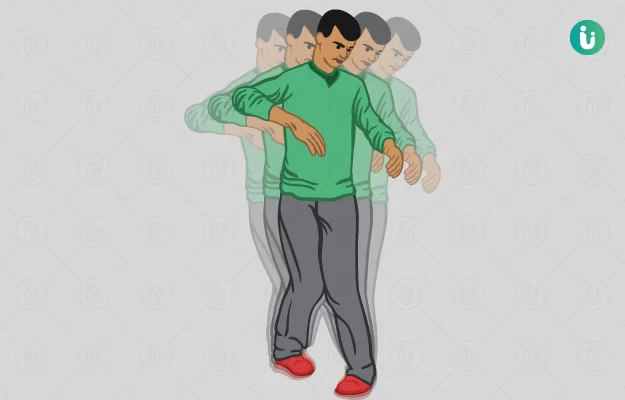
Ataxia is a neurological condition that affects balance, coordination, speech, and muscle control. People with ataxia may have difficulty walking steadily, performing fine motor tasks, speaking clearly, or swallowing. Rather than being a disease itself, ataxia is usually a symptom of an underlying disorder affecting the brain, spinal cord, or nerves.
The condition can develop suddenly after an injury or infection, or it may progress gradually due to inherited or degenerative neurological disorders. Early diagnosis is important because treatment focuses on identifying and managing the underlying cause while improving quality of life.
At 247 Homeopathy, Dr. Ruchi provides individualized homeopathic care as a complementary approach for patients with ataxia while encouraging appropriate neurological evaluation and conventional medical management whenever necessary.
What is Ataxia?
Ataxia refers to a loss of normal muscle coordination caused by damage to the cerebellum (the part of the brain responsible for balance and coordination), the spinal cord, or peripheral nerves.
People with ataxia may struggle with walking, maintaining balance, coordinating hand movements, speaking clearly, swallowing food, or controlling eye movements.
Ataxia can affect children and adults and may develop suddenly or progress slowly over time depending on its underlying cause.
Types of Ataxia
Cerebellar Ataxia
This type occurs due to damage to the cerebellum, the area of the brain responsible for coordinating voluntary movements.
Common features include:
- Difficulty walking
- Slurred speech
- Poor coordination
- Tremors
- Abnormal eye movements
Sensory Ataxia
Sensory ataxia results from damage to the peripheral nerves or spinal cord, reducing the brain’s ability to detect body position.
Patients may experience:
- Loss of sensation in the feet and legs
- Unsteady walking
- Difficulty walking in the dark or on uneven surfaces
Vestibular Ataxia
Vestibular ataxia occurs due to disorders affecting the inner ear or vestibular system, which helps maintain balance.
Symptoms often include:
- Vertigo
- Nausea
- Hearing loss
- Balance problems
- Blurred vision
Acquired Ataxia
Develops after brain injury, stroke, infection, vitamin deficiency, alcohol misuse, or other medical conditions.
Hereditary Ataxia
An inherited form that gradually progresses over time due to genetic mutations passed from one or both parents.
Idiopathic Late-Onset Cerebellar Ataxia
A form of ataxia in which no definite cause can be identified despite detailed evaluation.
Causes and Risk Factors
Ataxia may develop due to several neurological and systemic conditions.
Common causes include:
Brain Injury
Head trauma involving the cerebellum can impair balance and coordination.
Brain Tumors
Tumors affecting the cerebellum or surrounding structures may interfere with normal movement control.
Stroke
Reduced blood supply to the brain can damage areas responsible for coordination.
Multiple Sclerosis
Damage to nerve fibers disrupts communication between the brain and muscles.
Meningitis and Encephalitis
Inflammation of the brain or its protective coverings may lead to neurological impairment.
Cerebral Palsy
Children with cerebral palsy may develop movement and coordination difficulties.
Vitamin Deficiency
Deficiency of Vitamin B12 or Vitamin E can damage nerves and contribute to ataxia.
Alcohol Misuse
Long-term excessive alcohol consumption may damage the cerebellum and peripheral nerves.
Genetic Disorders
Several inherited neurological conditions can cause progressive ataxia.
Symptoms of Ataxia
Symptoms depend on the type and severity of the condition.
Common symptoms include:
- Difficulty walking
- Poor balance
- Frequent falls
- Slurred speech
- Difficulty swallowing
- Tremors
- Poor hand coordination
- Abnormal eye movements
- Vertigo
- Hearing loss
- Nausea and vomiting
- Numbness in the feet or legs
- Muscle weakness
- Difficulty performing fine motor activities such as writing or buttoning clothes
When Should You See a Doctor?
Consult a neurologist promptly if you experience:
- Sudden difficulty walking
- Loss of coordination
- Persistent dizziness
- Slurred speech
- Difficulty swallowing
- Double vision
- Recurrent falls
- Numbness or weakness in the limbs
Sudden onset of ataxia may indicate a medical emergency such as a stroke and requires immediate medical attention.
Diagnosis
A thorough neurological assessment helps identify the underlying cause.
Investigations may include:
Physical and Neurological Examination
Evaluation of:
- Balance
- Coordination
- Muscle strength
- Reflexes
- Speech
- Eye movements
Imaging Studies
- MRI Scan
- CT Scan
These help detect strokes, tumors, structural abnormalities, or degenerative changes.
Blood Tests
- Complete Blood Count (CBC)
- Vitamin B12 level
- Vitamin E level
- Thyroid function tests
- Other investigations based on clinical findings
Cerebrospinal Fluid (CSF) Examination
May be recommended when infection or inflammatory disease is suspected.
Electromyography (EMG)
Assesses nerve and muscle function.
Genetic Testing
May be advised if hereditary ataxia is suspected.
Conventional Treatment Overview
Treatment depends on the underlying cause of ataxia.
Management may include:
- Neurological care
- Physiotherapy
- Occupational therapy
- Speech and swallowing therapy
- Treatment of vitamin deficiencies
- Management of infections
- Surgery for selected brain tumors
- Medications for symptom control
- Assistive devices such as walking aids when required
Early rehabilitation often helps improve mobility and independence.
Precautions and Lifestyle Tips
Lifestyle modifications may help improve function and reduce complications.
Maintain a Nutritious Diet
Consume foods rich in:
- Vitamin B12
- Vitamin E
- Protein
- Fruits and vegetables
Exercise Safely
Participate in physiotherapist-guided balance and strengthening exercises.
Avoid Alcohol
Alcohol can worsen coordination and further damage the cerebellum.
Stop Smoking
Smoking contributes to poor overall neurological and vascular health.
Prevent Falls
- Remove home hazards.
- Use handrails.
- Wear supportive footwear.
- Use walking aids if recommended.
Manage Chronic Conditions
Control diabetes, hypertension, and other medical disorders that may contribute to neurological damage.
Attend Regular Medical Follow-up
Ongoing monitoring helps assess disease progression and treatment response.
Homeopathic Treatment Approach
At 247 Homeopathy, Dr. Ruchi believes that homeopathic treatment should be individualized according to each patient’s neurological symptoms, general health, constitution, and medical history.
Some commonly used homeopathic medicines include:
Alumina
May be considered for patients experiencing heaviness of the limbs, unsteady gait, poor balance, and difficulty swallowing associated with neurological weakness.
Argentum Nitricum
Often prescribed for tremors, impaired coordination while walking, and difficulty maintaining balance, particularly when nervousness accompanies the symptoms.
Causticum
May be selected for individuals with an unsteady gait, tendency to fall forward or sideways, muscle weakness, and trembling of the limbs.
Gelsemium
Sometimes recommended for muscular weakness, poor coordination, tremors, speech difficulties, and generalized fatigue affecting movement.
Homeopathic medicines are prescribed only after a comprehensive consultation with a qualified homeopathic physician.
Frequently Asked Questions
What are the early signs of ataxia?
Early signs can include unsteady walking, frequent stumbling, difficulty with coordination, slurred speech or problems with precise hand movements. The symptoms depend on the underlying cause.
Can ataxia cause difficulty speaking or swallowing?
Yes. Some forms of ataxia can affect the muscles involved in speech and swallowing, leading to slurred speech or difficulty swallowing. New or worsening swallowing problems should be medically assessed because of the risk of complications.
Can ataxia affect the hands?
Yes. Ataxia can cause poor coordination of the hands, making tasks such as writing, buttoning clothes or handling objects more difficult. The degree of impairment varies depending on the cause and severity.
Can ataxia cause dizziness or vertigo?
Some people with ataxia may experience dizziness or balance problems, but vertigo has many possible causes. Persistent or new dizziness should be evaluated to determine its underlying cause.
Can ataxia get worse over time?
The course depends on its underlying cause. Some forms are progressive, while others may improve or remain stable when the underlying problem is treated.
Can ataxia cause frequent falls?
Yes. Poor balance and coordination can increase the risk of stumbling and falling. Fall-prevention measures and appropriate rehabilitation can help improve safety and mobility.
Consult Dr. Ruchi at 247 Homeopathy, Zirakpur
If you or a loved one is experiencing persistent balance problems, unsteady walking, tremors, or difficulty with coordination, seeking early medical evaluation is essential.
At 247 Homeopathy, Dr. Ruchi provides individualized homeopathic consultations designed to complement conventional neurological care. Each treatment plan is based on a detailed assessment of your symptoms, medical history, lifestyle, and overall health.
Patients from Zirakpur, Chandigarh, Mohali, Panchkula, and surrounding areas can benefit from in-clinic and online consultations. Personalized treatment plans and medicine delivery are available for eligible patients across India and internationally.


