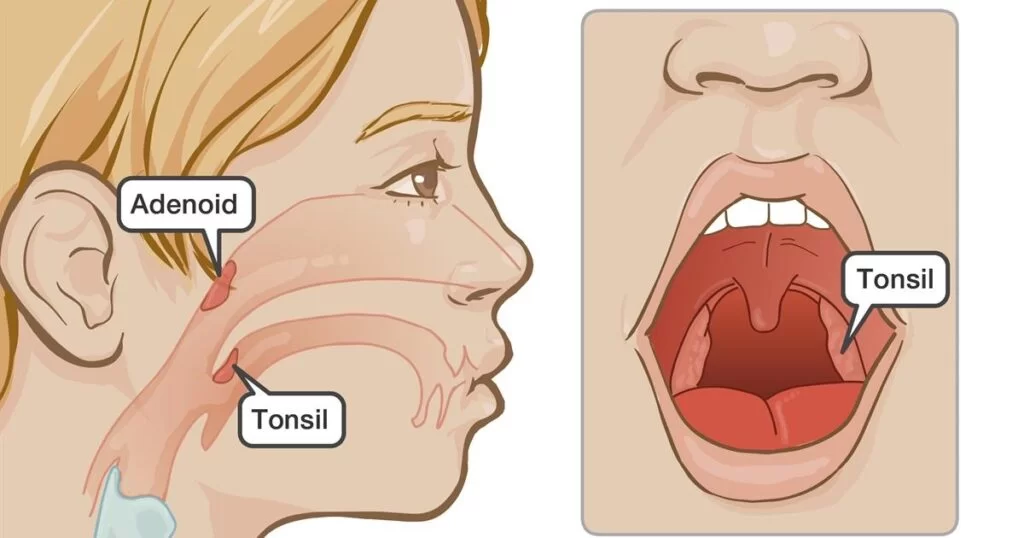
Adenoids
Adenoids are an important part of the body’s immune system during early childhood. They help trap bacteria, viruses, and other harmful microorganisms entering through the nose and mouth. Although adenoids play a protective role, they may become enlarged or infected, leading to breathing problems, recurrent throat infections, snoring, and difficulty sleeping.
Enlarged adenoids are common in children and often shrink naturally as they grow older. However, persistent symptoms should be evaluated by a healthcare professional to determine the underlying cause and appropriate treatment.
At 247 Homeopathy, Dr. Ruchi provides individualized homeopathic care for patients with enlarged adenoids while encouraging proper ENT evaluation whenever required.
What are Adenoids?
Adenoids are small masses of lymphoid tissue located behind the nose and above the roof of the mouth (nasopharynx). Together with the tonsils, they help protect the body by trapping germs before they enter the respiratory system.
Children are born with adenoids, which usually grow until around 5 years of age and gradually shrink during adolescence. In many adults, adenoids become very small or disappear naturally.
When the adenoids become swollen or infected, the condition is known as adenoiditis or enlarged adenoids.
Causes and Risk Factors
Several factors can cause enlargement or inflammation of the adenoids.
Common Causes
- Viral infections
- Bacterial throat infections
- Recurrent upper respiratory tract infections
- Enlarged tonsils
- Allergic rhinitis
Risk Factors
- Frequent colds
- Dust, pollen, or food allergies
- Exposure to cigarette smoke
- Air pollution
- Recurrent tonsillitis
- Family history of allergies
Common symptoms include:
- Persistent nasal blockage
- Mouth breathing
- Difficulty breathing through the nose
- Snoring during sleep
- Sleep apnea (brief pauses in breathing during sleep)
- Stuffy nose with nasal discharge
- Sore throat
- Ear pain
- Recurrent ear infections
- Difficulty hearing due to blockage of the Eustachian tube
- Difficulty swallowing food or liquids
- Poor sleep quality
- Restless sleep
- Nasal speech
Children with long-standing enlarged adenoids may also experience daytime tiredness due to disturbed sleep.
When Should You See a Doctor?
Consult an ENT specialist or healthcare provider if your child has:
- Persistent snoring
- Mouth breathing throughout the day
- Recurrent throat or ear infections
- Difficulty breathing during sleep
- Hearing difficulties
- Trouble swallowing
- Symptoms lasting longer than two weeks
- Poor growth due to feeding difficulties
Early diagnosis can help prevent complications.
Diagnosis
Diagnosis is based on medical history, physical examination, and appropriate investigations.
Your doctor may recommend:
Physical Examination
Evaluation of the nose, throat, ears, and neck.
Nasoendoscopy
A thin flexible camera is inserted through the nose to examine enlarged adenoids directly.
Throat or Nasal Swab Culture
Helps identify bacterial infections.
Blood Tests
May be advised to detect infection or inflammation.
Allergy Testing
Useful in children with recurrent allergic symptoms.
Hearing Assessment
Performed if hearing loss or recurrent ear infections are present.
Possible Complications
Untreated enlarged adenoids may lead to:
- Recurrent ear infections
- Temporary hearing loss
- Chronic sinus infections
- Sleep apnea
- Difficulty swallowing
- Poor sleep quality
- Fatigue during the day
- Poor appetite
- Nutritional deficiencies in severe cases
Conventional Treatment Overview
Treatment depends on the cause and severity of symptoms.
Management may include:
- Observation for mild cases
- Medicines for allergies or infections
- Saline nasal irrigation
- Antibiotics when bacterial infection is confirmed
- Nasal steroid sprays in selected patients
- Adenoidectomy (surgical removal) for persistent obstruction, recurrent infections, or sleep apnea when recommended by an ENT specialist
Precautions and Lifestyle Tips
Simple lifestyle measures can help reduce recurrent infections and improve recovery.
Maintain Good Hygiene
- Wash hands regularly.
- Avoid sharing utensils during infections.
Stay Hydrated
Encourage adequate fluid intake to keep the throat moist.
Eat a Balanced Diet
Provide nutritious foods rich in vitamins, minerals, and protein to support immunity.
Avoid Irritants
Keep children away from cigarette smoke, dust, and environmental pollutants.
Manage Allergies
Identify and avoid known allergens whenever possible.
Warm Salt Water Gargles
Older children may benefit from warm salt water gargles to soothe throat irritation.
Ensure Adequate Sleep
Proper rest supports the immune system and recovery.
Homeopathic Treatment Approach
At 247 Homeopathy, Dr. Ruchi believes that every child is unique. Homeopathic treatment is selected after evaluating the child’s complete symptom picture, medical history, frequency of infections, immune health, and overall constitution.
Some commonly prescribed homeopathic medicines include:
Agraphis Nutans
Often considered for children with enlarged adenoids, recurrent colds, nasal blockage, and hearing difficulty related to Eustachian tube blockage.
Ailanthus Glandulosa
May be prescribed when throat swelling is associated with choking sensations and marked inflammation.
Calcarea Iodata
Sometimes recommended for enlarged adenoids and tonsils accompanied by thick yellow nasal discharge and recurrent infections.
Sanguinaria Nitrica
May be considered for persistent nasal obstruction with thick yellow mucus, pressure at the root of the nose, and chronic nasal congestion.
Homeopathic medicines should always be prescribed by a qualified homeopathic physician after an individualized consultation.
Frequently Asked Questions
Can enlarged adenoids cause a blocked or stuffy nose?
Yes. Enlarged adenoids can partially block the passage behind the nose, making it difficult to breathe through the nose. This may lead to persistent nasal congestion and mouth breathing.
Can enlarged adenoids cause mouth breathing during the day?
Yes. Children with enlarged adenoids may breathe through their mouth when nasal airflow is restricted. Persistent mouth breathing should be evaluated to identify the underlying cause.
Can enlarged adenoids cause ear infections or hearing problems?
Yes. Enlarged adenoids can interfere with the normal drainage and ventilation of the middle ear, which may contribute to fluid buildup, recurrent ear infections or temporary hearing problems.
Can enlarged adenoids cause bad breath?
They can sometimes contribute to bad breath, particularly when there is ongoing inflammation, infection or mucus accumulation. Persistent bad breath can have many other causes and may require evaluation.
Can enlarged adenoids affect a child’s speech?
Yes. Significant nasal blockage can affect the way a child’s voice sounds and may contribute to a nasal or altered speech quality. Persistent speech changes should be assessed by a healthcare professional.
When should a child with enlarged adenoids see an ENT specialist?
An ENT evaluation is appropriate when a child has persistent nasal obstruction, loud or frequent snoring, pauses in breathing during sleep, recurrent ear problems, hearing difficulties or symptoms that do not improve with initial management.
Consult Dr. Ruchi at 247 Homeopathy, Zirakpur
If your child experiences persistent nasal blockage, mouth breathing, snoring, recurrent throat infections, or enlarged adenoids, timely medical evaluation is important.
At 247 Homeopathy, Dr. Ruchi provides personalized homeopathic consultations based on each patient’s symptoms, medical history, and overall health. Treatment plans are designed to complement conventional medical care while supporting overall well-being.
Patients from Zirakpur, Chandigarh, Panchkula, Mohali, Dera Bassi, and nearby areas can consult Dr. Ruchi through in-clinic or online appointments. Medicine delivery is also available across India and internationally.