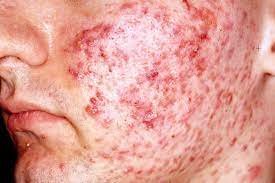
Acne vulgaris
Acne vulgaris is one of the most common skin conditions affecting teenagers and adults. It develops when hair follicles become blocked with excess oil (sebum), dead skin cells, and bacteria, leading to inflammation and the formation of pimples. Acne can range from mild blackheads and whiteheads to painful cysts and nodules that may leave permanent scars if not managed properly.
Although acne is not usually a serious medical condition, it can affect self-confidence, emotional well-being, and quality of life. Early diagnosis and appropriate treatment can help control breakouts and reduce the risk of scarring.
At 247 Homeopathy, Dr. Ruchi offers individualized homeopathic treatment plans that consider the patient’s skin type, hormonal factors, lifestyle, and overall health.
What is Acne Vulgaris?
Acne vulgaris is a chronic inflammatory disorder of the hair follicles and sebaceous (oil) glands. It occurs when excess sebum combines with dead skin cells, blocking pores and creating an environment where bacteria, particularly Cutibacterium acnes (formerly Propionibacterium acnes), can multiply.
Acne most commonly affects:
- Face
- Forehead
- Chest
- Upper back
- Shoulders
The severity can vary from a few occasional pimples to widespread inflammatory acne.
Several factors contribute to the development of acne:
Hormonal Changes
- Puberty
- Menstrual cycle
- Pregnancy
- PCOS (Polycystic Ovary Syndrome)
- Hormonal fluctuations
Bacterial Growth
Overgrowth of Cutibacterium acnes inside blocked hair follicles.
Excess Sebum Production
Increased oil production can clog pores.
Genetics
A family history of acne increases the likelihood of developing the condition.
Lifestyle and Environmental Factors
- Stress
- High-glycemic foods
- Excess dairy intake (in some individuals)
- Oily cosmetics
- Poor skincare habits
- Dirty pillowcases and towels
- Excessive friction or over-scrubbing of the skin
Depending on severity, acne may appear as:
Mild Acne
- Whiteheads
- Blackheads
- Few pimples
Moderate Acne
- Papules (red, tender bumps)
- Pustules (pus-filled pimples)
Severe Acne
- Painful nodules
- Deep cysts
- Multiple inflamed lesions
- Acne scars
- Post-inflammatory pigmentation
Common symptoms include:
- Red or swollen pimples
- Oily skin
- Tenderness
- Whiteheads
- Blackheads
- Painful cysts
- Dark marks after acne heals
- Permanent scarring in severe cases
Acne vulgaris is usually diagnosed through a clinical skin examination.
When indicated, additional investigations may include:
- Physical examination
- Hormonal profile (especially in women with irregular periods or suspected PCOS)
- Complete Blood Count (CBC)
- Pelvic ultrasound for evaluation of PCOS
- Other investigations based on associated medical conditions
Skin Care Tips
- Wash your face twice daily using a gentle cleanser.
- Avoid excessive scrubbing.
- Choose oil-free and non-comedogenic skincare products.
- Remove makeup before sleeping.
- Wear broad-spectrum sunscreen daily.
- Avoid squeezing or picking pimples to reduce scarring.
Lifestyle Measures
- Drink plenty of water.
- Eat a balanced diet rich in fruits and vegetables.
- Limit high-sugar and highly processed foods if they trigger breakouts.
- Manage stress through exercise, yoga, or meditation.
- Change pillowcases and towels regularly.
- Get adequate sleep.
- Maintain good personal hygiene.
Homeopathic Treatment Approach
At 247 Homeopathy, treatment is individualized according to the patient’s symptoms, acne severity, hormonal profile, lifestyle, and overall health.
Some commonly prescribed homeopathic medicines include:
Berberis Aquifolium
Frequently considered for acne associated with oily skin, pigmentation, and acne marks.
Hepar Sulphuris
May be selected for painful, sensitive, pus-filled acne lesions.
Radium Bromatum
Sometimes considered in chronic acne with recurrent eruptions, based on the individual’s symptom profile.
Juglans Regia
Traditionally used in patients with acne accompanied by oily skin and recurrent pustular eruptions.
Frequently Asked Questions (FAQs)
What causes acne vulgaris?
Acne develops when excess oil, dead skin cells, bacteria, and hormonal changes block hair follicles and trigger inflammation.
Can adults get acne?
Yes. Adult acne is common, particularly among women due to hormonal fluctuations, stress, and conditions such as PCOS.
Does diet affect acne?
Some people notice worsening acne with high-glycemic foods or excessive dairy intake. A balanced diet may help support overall skin health.
Should I squeeze pimples?
No. Squeezing pimples increases the risk of infection, pigmentation, and permanent acne scars.
Can homeopathy help with acne?
Homeopathy may be used as a complementary treatment for acne. Treatment is individualized and should be provided by a qualified homeopathic doctor based on the patient’s overall health and symptom pattern.
When should I consult a dermatologist?
Seek medical evaluation if acne is severe, painful, leaves scars, suddenly worsens, or does not improve with appropriate treatment.
Consult Dr. Ruchi at 247 Homeopathy, Zirakpur
If you are experiencing persistent acne, painful pimples, acne scars, or recurrent breakouts, consult Dr. Ruchi at 247 Homeopathy, Zirakpur for a comprehensive evaluation and personalized treatment plan.
Why Choose 247 Homeopathy?
- Personalized homeopathic consultations
- Individualized treatment plans
- Experienced care by Dr. Ruchi
- In-clinic and online consultations
- Medicine delivery across India and internationally
- Holistic approach focused on overall skin health


