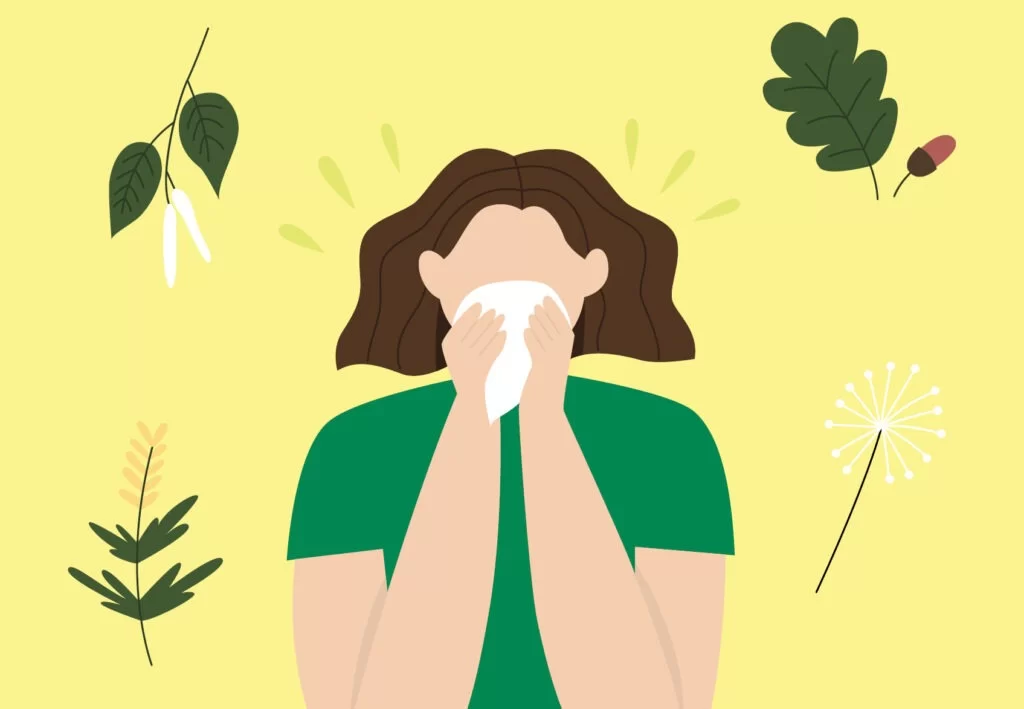
Allergies
An allergy is an exaggerated response of the body’s immune system to substances that are usually harmless. These substances are known as allergens. While most people do not react to allergens, some individuals develop symptoms ranging from mild sneezing and skin rashes to severe breathing difficulties.
Allergies can affect people of any age and may involve the nose, eyes, skin, lungs, digestive system, or multiple organs. Identifying the trigger and receiving appropriate medical care are important for long-term symptom control.
At 247 Homeopathy Clinic, Zirakpur, Dr. Ruchi provides individualized homeopathic treatment plans based on each patient’s allergy history, symptoms, and overall health.
What is an Allergy?
An allergy occurs when the immune system mistakenly identifies a harmless substance as dangerous and releases chemicals such as histamine. This immune response causes inflammation and produces allergy symptoms.
Common allergens include:
- House dust and dust mites
- Pollen grains
- Mold spores
- Pet dander
- Certain foods
- Insect bites and stings
- Some medicines
- Smoke and environmental pollutants
Different people react differently to the same allergen. One person may develop sneezing while another develops skin rashes or breathing problems.
Causes and Risk Factors
Several factors can increase the likelihood of developing allergies.
Common Causes
- Dust exposure
- Seasonal pollen
- Mold
- Animal dander
- Certain foods (milk, eggs, peanuts, wheat, fish, shellfish)
- Insect bites or bee stings
- Certain medications such as penicillin and some antibiotics
- Environmental pollution
- Smoke and chemical fumes
Risk Factors
- Family history of allergies
- Asthma or eczema
- Weak or overactive immune response
- Repeated exposure to allergens
- Childhood allergies
- Environmental pollution
Types of Allergies
Allergic Rhinitis (Hay Fever)
This affects the nose and sinuses.
Seasonal Allergic Rhinitis
Symptoms occur during particular seasons, commonly when pollen levels are high.
Perennial Allergic Rhinitis
Symptoms occur throughout the year due to allergens such as dust mites, mold, or pet dander.
Symptoms include:
- Sneezing
- Runny nose
- Nasal blockage
- Itchy nose
- Watery eyes
- Headache
Food Allergy
Food allergies may develop within minutes to hours after eating a triggering food.
Common symptoms include:
- Swelling of lips, tongue, or throat
- Difficulty swallowing
- Skin rashes
- Hives (urticaria)
- Vomiting
- Diarrhea
- Abdominal pain
Insect Bite Allergy
Some individuals develop allergic reactions after insect bites or bee stings.
Symptoms may include:
- Swelling
- Pain
- Redness
- Itching
- Fever
- Skin eruptions
- Difficulty breathing (in severe reactions)
Drug Allergy
Certain medicines may trigger allergic reactions.
Symptoms include:
- Skin rash
- Hives
- Itching
- Swelling
- Vomiting
- Diarrhea
Always seek immediate medical care if a medicine causes breathing difficulty or swelling of the face or throat.
Urticaria (Hives)
Urticaria causes raised, itchy red welts that appear suddenly after exposure to an allergen.
Symptoms include:
- Raised red bumps
- Severe itching
- Burning sensation
- Swelling
- Sleep disturbance due to itching
Atopic Dermatitis (Eczema)
Atopic dermatitis is a chronic inflammatory skin condition commonly seen in children but can affect adults as well.
Symptoms include:
- Dry skin
- Red patches
- Itching
- Cracked skin
- Small fluid-filled bumps
- Thickened skin from repeated scratching
Allergic Conjunctivitis
This allergy affects the eyes.
Symptoms include:
- Red eyes
- Itching
- Excessive watering
- Swollen eyelids
- Burning sensation
Allergic Asthma
Exposure to allergens may trigger asthma symptoms in susceptible individuals.
Symptoms include:
- Wheezing
- Shortness of breath
- Chest tightness
- Persistent cough
Diagnosis
To identify the cause of allergies, your doctor may recommend:
- Detailed medical history
- Physical examination
- Skin prick test
- Patch test
- Blood IgE level
- Absolute eosinophil count (AEC)
- Pulmonary function tests (for asthma)
- Food elimination testing when appropriate
Proper diagnosis helps identify the specific allergen responsible for symptoms.
Prevention & Lifestyle Tips
You can reduce allergy symptoms by following these preventive measures:
- Avoid known allergy triggers whenever possible.
- Keep your home free from dust and mold.
- Wash bedding regularly in hot water.
- Wear a mask while cleaning or during high pollen seasons.
- Avoid smoking and second-hand smoke.
- Use protective eyewear outdoors if you have eye allergies.
- Maintain good hand and face hygiene after outdoor exposure.
- Eat a balanced diet to support immune health.
- Stay well hydrated.
- Follow your doctor’s treatment plan consistently.
Homeopathic Treatment Approach
At 247 Homeopathy Clinic, Zirakpur, Dr. Ruchi believes in treating the individual rather than only the allergy symptoms.
Homeopathic treatment is selected after considering:
- Type of allergy
- Individual symptoms
- Frequency of attacks
- Medical history
- Family history
- Lifestyle factors
- Emotional and physical constitution
Commonly Used Homeopathic Medicines
Allium Cepa
Often considered for allergic rhinitis with profuse watery nasal discharge, frequent sneezing, burning nasal irritation, and watery eyes.
Euphrasia Officinalis
Commonly selected for allergic conjunctivitis characterized by excessive watering, eye irritation, burning, and redness.
Wyethia
May be considered for persistent itching of the throat, palate, ears, and allergic irritation affecting the upper respiratory tract.
Sabadilla
Frequently considered for repeated sneezing, itchy nose, watery eyes, and symptoms triggered by pollen or cold air.
Note: Homeopathic medicines should only be prescribed after an individualized consultation with a qualified homeopathic physician.
Frequently Asked Questions (FAQs)
What is the most common cause of allergies?
Dust mites, pollen, pet dander, certain foods, medications, and insect bites are among the most common allergy triggers.
Can allergies develop later in life?
Yes. Allergies can develop at any age, even if you have never experienced them before.
Are allergies hereditary?
Yes. A family history of allergies increases the likelihood of developing allergic conditions.
Can homeopathy cure allergies permanently?
There is currently no reliable scientific evidence that homeopathy can permanently cure allergies. Individualized homeopathic care may be used as supportive therapy for symptom management alongside evidence-based medical treatment.
When should I seek emergency medical help?
Seek immediate emergency care if you develop:
- Difficulty breathing
- Swelling of the face, lips, or throat
- Severe wheezing
- Sudden dizziness
- Loss of consciousness
- Signs of anaphylaxis after food, medicine, or insect sting
Consult Dr. Ruchi at 247 Homeopathy, Zirakpur
If you experience frequent allergies, allergic rhinitis, skin allergies, food allergies, or recurrent seasonal symptoms, consult Dr. Ruchi at 247 Homeopathy Clinic, Zirakpur.
Our clinic offers:
- Individualized homeopathic consultations
- Comprehensive allergy assessment
- Lifestyle and dietary guidance
- In-clinic and online consultations
- Medicine delivery across India and internationally
- Long-term supportive care tailored to your health needs
Early diagnosis and personalized management can help improve quality of life and reduce the impact of recurring allergies.


