LIP AND ORAL CAVITY CANCER
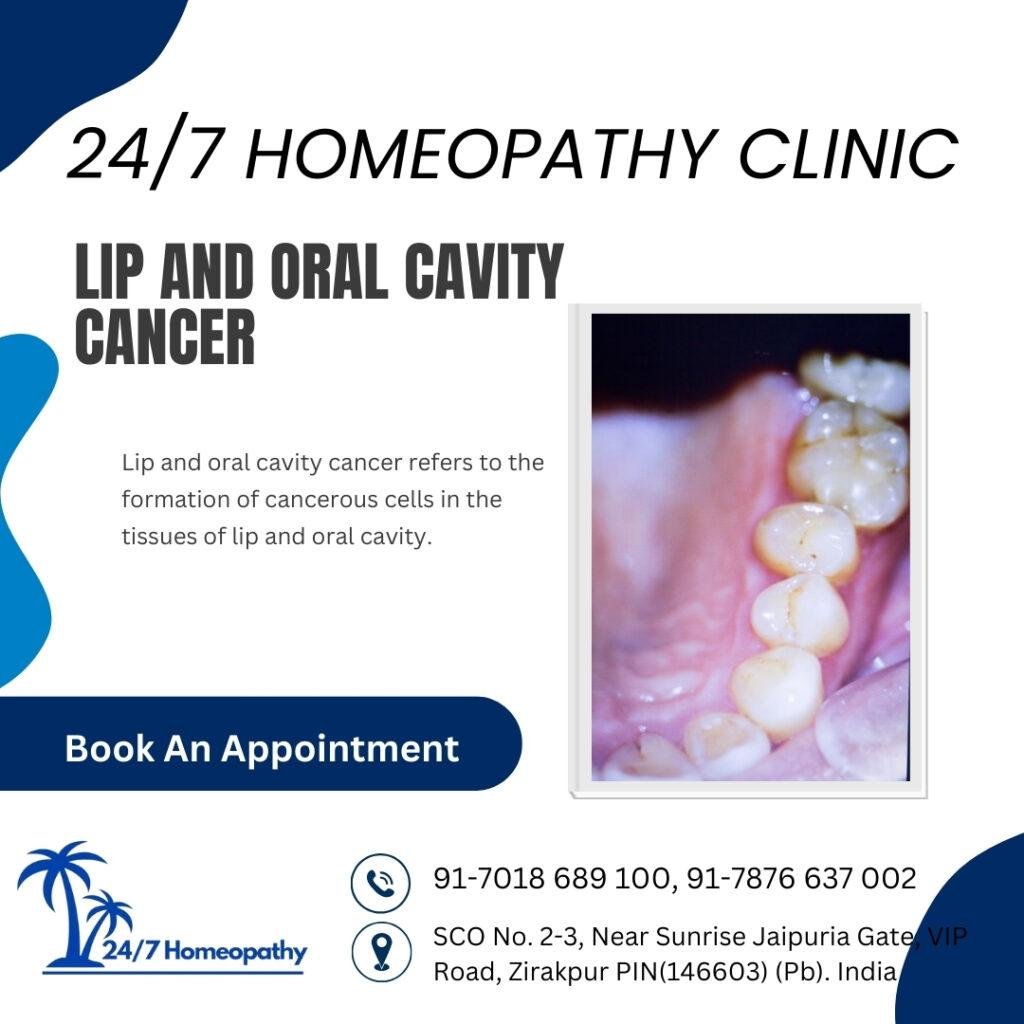
Lip and oral cavity cancer refers to cancer that develops in the tissues of the lip or oral cavity (mouth).
The oral cavity includes several structures, including the lips, tongue, gums, palate, and inner lining of the cheeks. Cancer can develop in different parts of this region, and symptoms may vary according to its location.
Most cancers of the oral cavity are squamous cell carcinomas, although other less common types can occur.
A mouth ulcer, lump, patch, bleeding, or other change that does not heal should be examined by a qualified healthcare professional.
What Is Lip and Oral Cavity Cancer?
Lip and oral cavity cancer occurs when cells in the tissues of the lip or mouth begin to grow abnormally and uncontrollably.
Types mentioned in the doctor’s original content
Squamous cell carcinoma:
This is the most common type of cancer affecting the oral cavity. It develops from thin, flat cells called squamous cells.
Verrucous carcinoma:
This is a less common, slow-growing type of squamous cell carcinoma that can have a warty appearance. It usually grows locally and is less likely to spread to distant parts of the body.
Causes and Risk Factors
There is not always one specific cause of lip and oral cavity cancer. Several factors can increase the risk.
Important risk factors include:
- Smoking: Cigarettes, cigars, and other tobacco products increase the risk.
- Tobacco and betel nut use: Regular chewing of tobacco, betel nut, or pan can significantly increase oral cancer risk.
- Alcohol: Long-term or excessive alcohol consumption can increase risk.
- HPV infection: Certain types of human papillomavirus (HPV) are associated with some cancers of the mouth and throat.
- Poor oral health: Poor oral hygiene and lack of regular dental care may contribute to oral health problems and can make abnormal changes harder to identify.
- Weakened immune system: Certain conditions or treatments that suppress the immune system may increase cancer risk.
- Sun exposure: Prolonged ultraviolet exposure can increase the risk of cancer affecting the lip.
- Increasing age: Risk generally increases with age.
Having one or more risk factors does not mean that a person will definitely develop oral cancer.
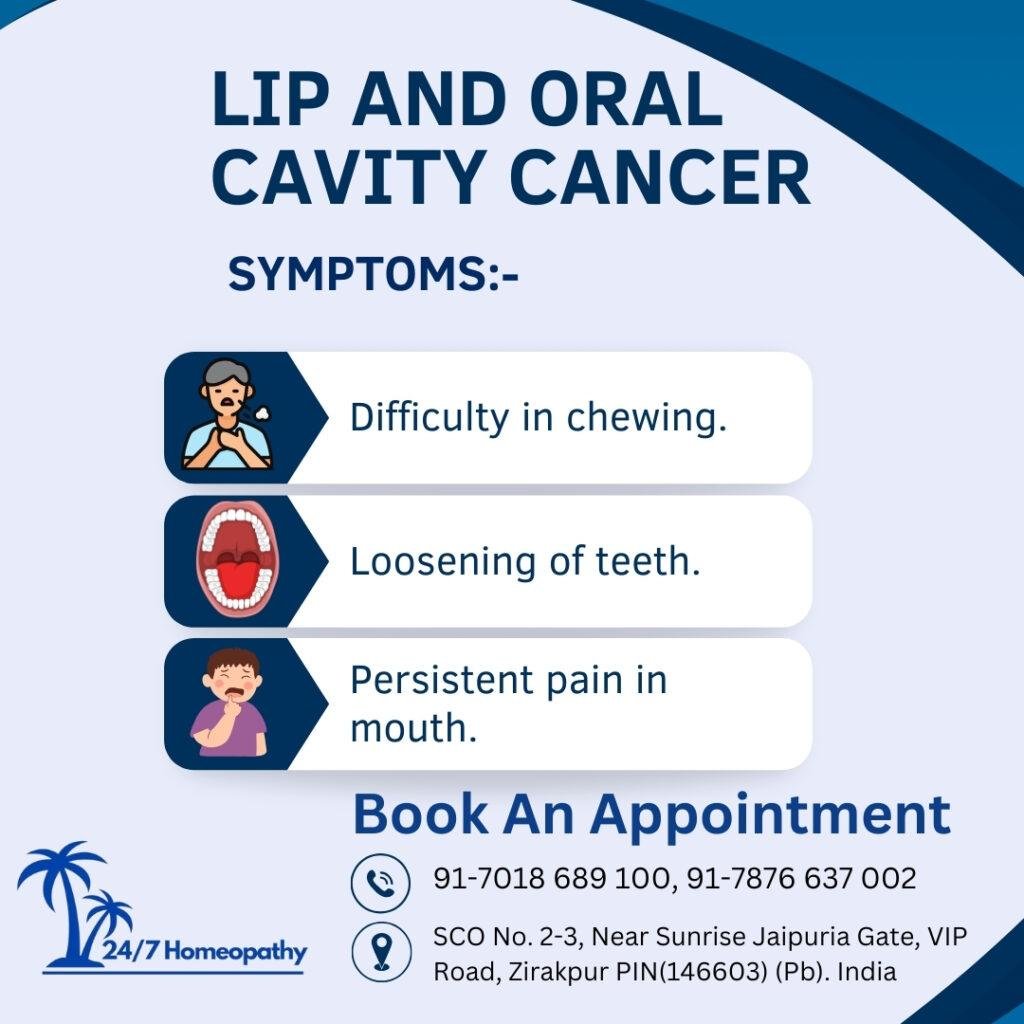
Symptoms of Lip and Oral Cavity Cancer
Symptoms can vary depending on the part of the mouth affected.
Possible signs and symptoms include:
- A mouth ulcer or sore that does not heal
- Persistent soreness or pain in the mouth
- White or red patches on the gums, tongue, tonsils, or other areas of the mouth
- A lump or thickened area on the lip, gums, tongue, or inside the mouth
- Difficulty chewing
- Difficulty or pain while swallowing
- Numbness of the lips, tongue, or other areas of the mouth
- Changes in speech
- Loose teeth without an obvious dental cause
- Swelling or persistent tenderness in the mouth
- Unexplained weight loss
- Weakness or fatigue
- Reduced appetite
- Persistent ear pain
- Bleeding from the mouth
- Swollen lymph nodes in the neck
- Difficulty moving the jaw or tongue
- Changes in taste or loss of taste
- Persistent bad breath
When should you see a doctor or dentist?
A mouth ulcer or irritation can have many non-cancerous causes. However, a sore, ulcer, lump, red/white patch, unexplained bleeding, numbness, or other mouth change that persists should be examined rather than treated only at home.
Diagnosis and Investigations
Diagnosis begins with an examination of the lips, mouth, tongue, gums, and surrounding areas.
Depending on the findings, investigations may include:
Physical examination
A doctor or dentist examines the mouth, lips, tongue, gums, and neck for abnormal areas.
Dental evaluation
A dental examination can help identify oral and dental conditions and determine whether further investigation is necessary.
Imaging
Depending on the suspected location and extent of disease, imaging may include:
- X-ray
- Ultrasound
- CT scan
- MRI scan
- PET scan
Blood tests
A CBC (complete blood count) may be performed as part of the overall medical evaluation, although blood tests alone cannot diagnose oral cancer.
Biopsy
If an abnormal area is suspicious for cancer, a biopsy is generally required to confirm the diagnosis by examining tissue under a microscope.
Prevention and Lifestyle Tips
Some risk factors for lip and oral cavity cancer can be reduced through lifestyle changes.
- Stop smoking and avoid tobacco products.
- Avoid chewing tobacco, betel nut, and pan.
- Reduce or avoid excessive alcohol consumption.
- Maintain good oral hygiene.
- Have regular dental check-ups.
- Get persistent mouth ulcers, lumps, patches, or other unusual changes examined.
- Protect the lips from excessive sunlight with appropriate protection.
- Maintain a balanced and nutritious diet.
- Seek appropriate dental treatment for ongoing dental problems.
- Follow medical advice if you have a condition that affects your immune system.
Homeopathic Management of Lip and Oral Cavity Cancer
At 247 Homeopathy, Dr. Ruchi, homeopathic care is considered according to the individual’s symptoms, overall health, and personal health history.
The following remedies are retained from the doctor’s original content. They are presented as homeopathic materia medica indications and should not be interpreted as clinically proven treatments for eliminating oral cancer.
Mercurius Solubilis (Merc Sol)
The doctor’s original indications include:
- Sweetish or metallic taste in the mouth
- Spongy or receding gums that bleed easily
- Soreness and pain on touch or while chewing
- Furrow running lengthwise along the upper surface of the tongue
- Fetid or unpleasant odor from the mouth
- Problems involving tooth decay
Arsenicum Album
The doctor’s original remedy indications include:
- Epithelioma involving the lips
- Unhealthy gums that bleed easily
- Mouth ulcers associated with dryness and burning
- Dry, clean, red tongue
- Stinging or burning pain in the tongue
- Metallic taste
- Sensation of gulping or bringing up burning fluid
Nitric Acid
The doctor’s original indications include:
- Putrid or unpleasant breath
- Bleeding gums
- Painful pimples or lesions around the gums
- Clean, red, wet tongue with a central furrow
- Ulcers of the soft palate with sharp, splinter-like pain
- Bloody saliva
Important note about homeopathy and oral cancer
Lip and oral cavity cancer requires appropriate evaluation by a qualified dentist, oral and maxillofacial specialist, ENT specialist, or oncologist, depending on the presentation.
Homeopathy should not replace biopsy, surgery, radiotherapy, chemotherapy, immunotherapy, or other cancer treatment recommended by the treating specialist. There is no reliable evidence that homeopathy can eliminate or cure oral cancer.
Patients considering homeopathy as complementary care should discuss it with their treating medical team and should not delay diagnosis or medically recommended treatment.
FAQs About Lip and Oral Cavity Cancer
What is lip and oral cavity cancer?
It is cancer that develops in the tissues of the lips or oral cavity, including the tongue, gums, palate, and inner lining of the cheeks.
What is the most common type of oral cavity cancer?
Most oral cavity cancers are squamous cell carcinomas, which develop from squamous cells lining the mouth.
Can tobacco chewing cause oral cancer?
Yes. Regular use of tobacco, including chewing tobacco, is an important risk factor for oral cancer. Betel nut and pan use can also increase risk.
Is every mouth ulcer cancer?
No. Most mouth ulcers are caused by non-cancerous conditions. However, an ulcer or sore that does not heal or keeps returning should be examined by a healthcare professional.
What are early signs of oral cancer?
Possible early signs include a persistent mouth ulcer, red or white patch, unexplained lump, persistent mouth pain, numbness, unexplained bleeding, or changes in chewing or swallowing.
Can oral cancer cause loose teeth?
It can. Unexplained loosening of teeth can occur with some oral cancers, although there are many more common dental causes of loose teeth.
How is oral cancer confirmed?
A suspicious area is usually evaluated clinically and, when necessary, a biopsy is performed to confirm whether cancer cells are present.
Can homeopathy cure lip and oral cavity cancer?
There is no reliable evidence that homeopathy can cure or eliminate oral cancer. It should not replace appropriate cancer treatment. If used, it should only be considered as complementary care in consultation with the patient’s treating medical team.
When should I consult a dentist or doctor?
Seek professional evaluation if you have a persistent mouth ulcer, lump, red or white patch, unexplained bleeding, numbness, difficulty swallowing, loose teeth, or another unusual mouth change that does not resolve.
Consult 247 Homeopathy in Zirakpur
At 247 Homeopathy, Dr. Ruchi, consultations focus on understanding the patient’s individual symptoms, health history, lifestyle, and overall health needs.
Patients can discuss their concerns and learn whether homeopathic care may be appropriate as complementary support alongside appropriate medical care.
247 Homeopathy
Dr. Ruchi
Location: Zirakpur, Punjab
Consultation: In-person and online consultation options
If you have already been diagnosed with lip or oral cavity cancer, continue care with your treating cancer specialist and discuss any complementary treatment before starting it.


