LEUKEMIA
Leukemia is a type of cancer that affects the blood-forming tissues, including the bone marrow. It causes abnormal blood cells, particularly abnormal white blood cells, to grow and multiply uncontrollably.
Leukemia can occur in children as well as adults. The symptoms and treatment depend on the type of leukemia and how quickly it develops.
What Is Leukemia?
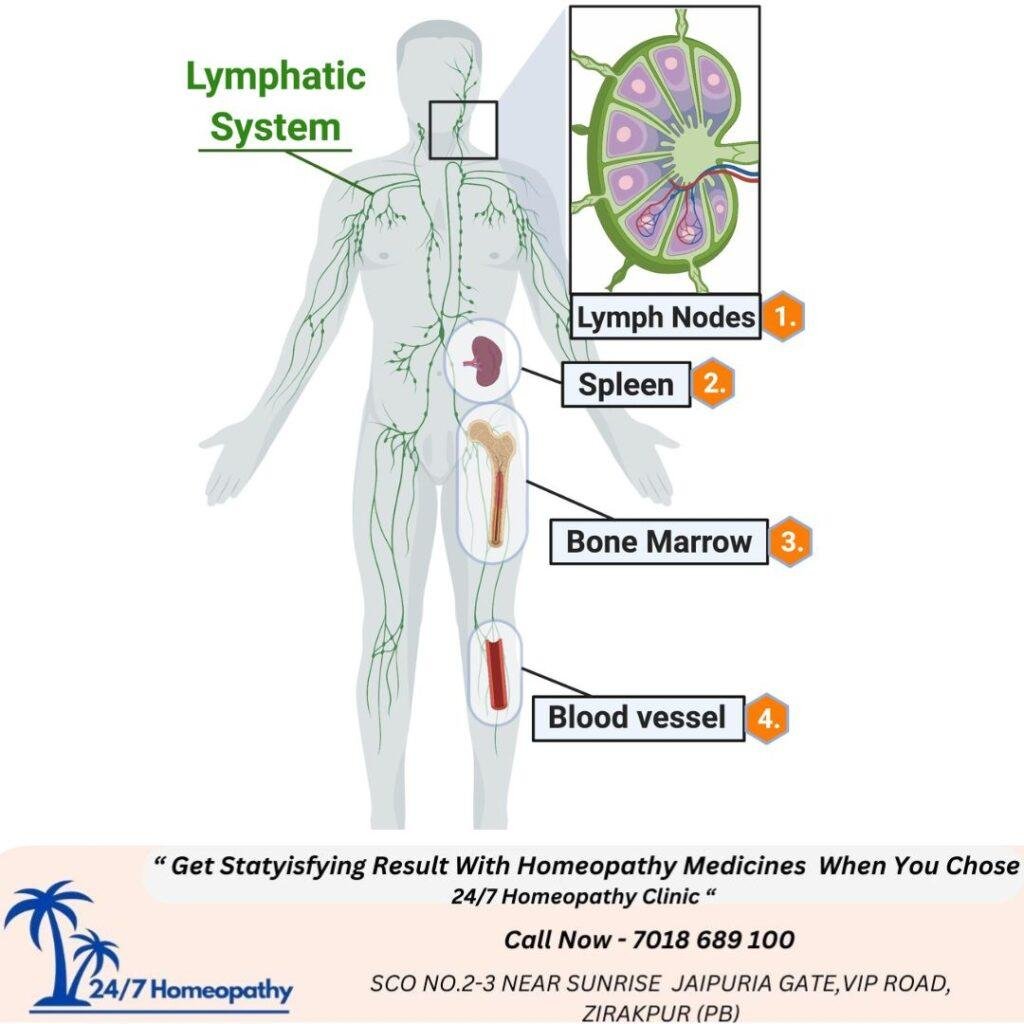
Leukemia begins in the blood-forming tissues of the body, especially the bone marrow. Abnormal blood cells can interfere with the production and function of normal white blood cells, red blood cells, and platelets.
There are several types of leukemia. They are generally classified according to the type of blood-forming cell involved and whether the disease develops quickly or slowly.
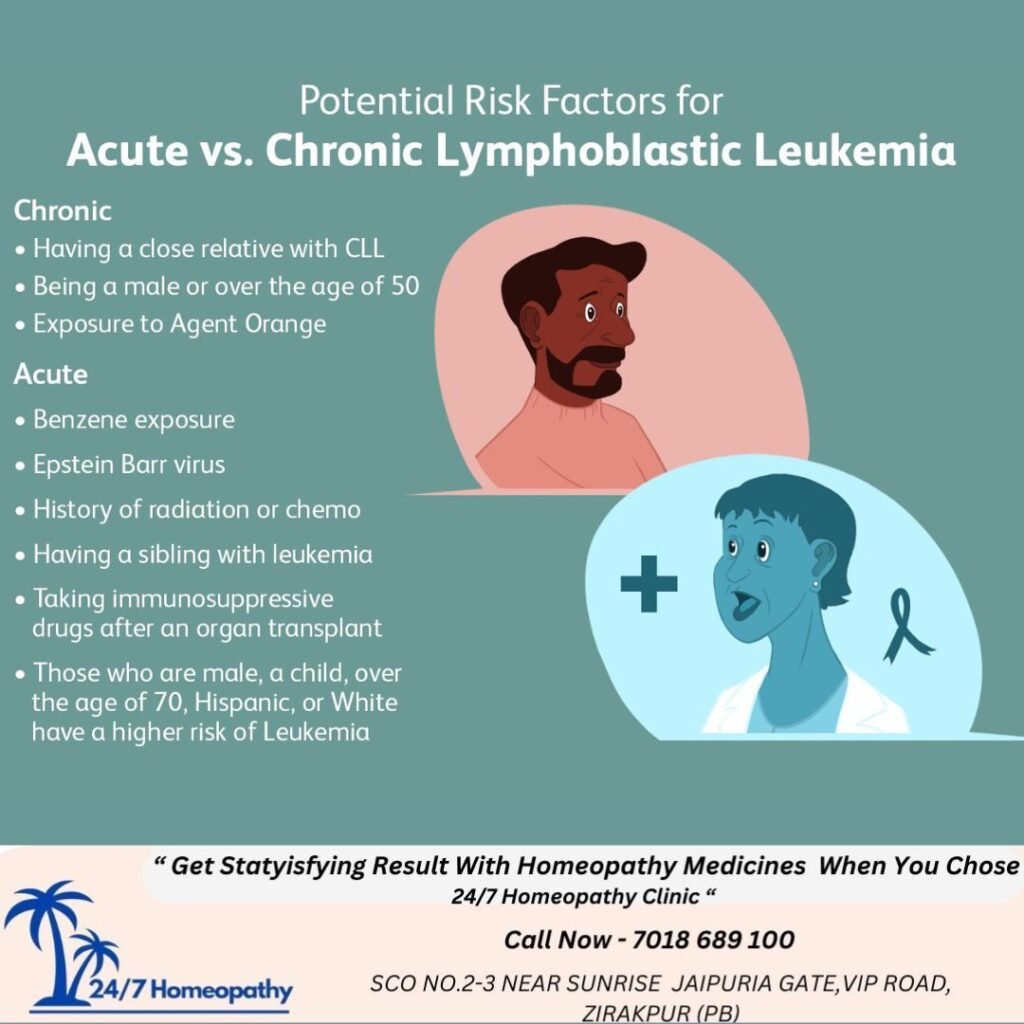
Main Types of Leukemia
1. Acute Lymphoblastic Leukemia (ALL)
Acute lymphoblastic leukemia mainly affects immature lymphoid cells. It is particularly common in children, although it can also occur in adults.
2. Acute Myeloid Leukemia (AML)
Acute myeloid leukemia affects myeloid blood-forming cells. These cells normally develop into different types of blood cells, including red blood cells, some white blood cells, and platelets.
AML can occur in both children and adults.
3. Chronic Lymphocytic Leukemia (CLL)
Chronic lymphocytic leukemia mainly affects adults. It involves the abnormal accumulation of mature but abnormal lymphocytes in the blood, bone marrow, and sometimes the lymph nodes.
4. Chronic Myeloid Leukemia (CML)
Chronic myeloid leukemia affects myeloid cells and generally progresses more slowly than acute leukemia. It causes abnormal production and accumulation of myeloid cells in the bone marrow and blood.
Causes and Risk Factors of Leukemia
The exact cause of most cases of leukemia is not known. However, certain genetic, environmental, and medical factors may increase the risk.
Possible risk factors include:
- Certain genetic changes or abnormalities
- Previous cancer treatment, including some chemotherapy or radiation treatments
- Certain genetic conditions, such as Down syndrome and Bloom syndrome
- Smoking, particularly in relation to certain types of leukemia
Having a risk factor does not mean that a person will definitely develop leukemia. Many people with leukemia do not have an identifiable risk factor.
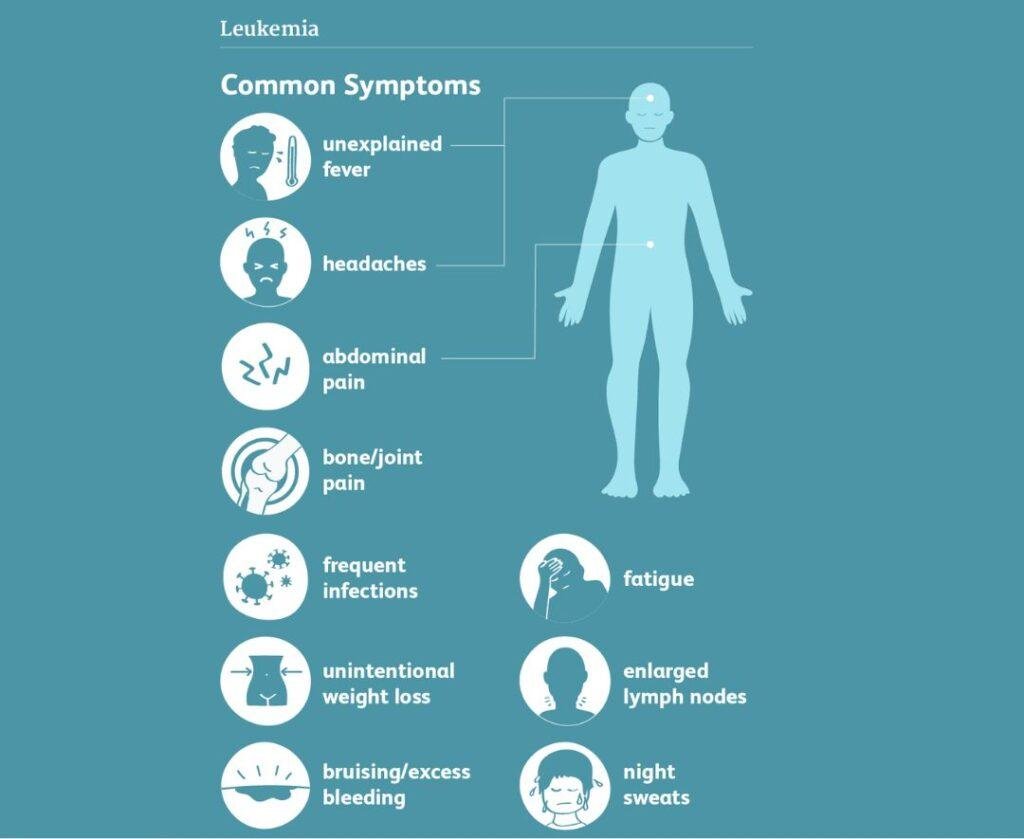
Symptoms of Leukemia
Leukemia symptoms can vary according to the type and stage of the disease. Many symptoms occur because abnormal blood cells interfere with the production of healthy blood cells.
Common symptoms may include:
- Frequent or persistent fever
- Unexplained weight loss
- Weakness and fatigue
- Frequent or severe infections
- Swollen lymph nodes
- Repeated nosebleeds (epistaxis)
- Easy bleeding or bruising
- Excessive sweating, particularly at night
- Bone or joint pain
- Small red or purple spots on the skin (petechiae)
- Loss of appetite
- Abdominal discomfort or pain
- Enlargement of the liver or spleen
- Pale skin due to anemia
- Shortness of breath
- Dizziness or reduced energy
These symptoms can also occur with many other medical conditions. Persistent or unexplained symptoms should be evaluated by a doctor.
Diagnosis and Investigations for Leukemia
A doctor may recommend several investigations when leukemia is suspected.
Complete Blood Count (CBC)
A CBC checks the number and characteristics of different blood cells. It may show:
- Abnormal or unusually high or low white blood cell counts
- Reduced red blood cells, which can cause anemia
- Reduced platelet levels (thrombocytopenia)
Bone Marrow Aspiration and Biopsy
A bone marrow examination is an important investigation for diagnosing and classifying leukemia. It allows doctors to examine blood-forming cells directly.
Flow Cytometry
Flow cytometry can help identify specific markers on abnormal blood cells and is useful for classifying leukemia.
Imaging Tests
Depending on the symptoms and type of leukemia, imaging such as:
- X-ray
- CT scan
- MRI
may be recommended.
Lumbar Puncture
In selected cases, a lumbar puncture may be performed to check whether leukemia cells are present in the cerebrospinal fluid (CSF).
Precautions and Lifestyle Support
Maintaining general health and following the treating doctor’s recommendations can be helpful.
- Avoid smoking.
- Eat a balanced and nutritious diet.
- Maintain appropriate physical activity according to your doctor’s advice.
- Maintain good hygiene, particularly when immunity is reduced.
- Follow recommended medical appointments and blood tests.
- Report unusual bleeding, persistent fever, or signs of infection promptly.
- Do not stop or change prescribed cancer treatment without consulting your treating specialist.
For people undergoing leukemia treatment, infection prevention and monitoring blood counts can be particularly important.
Homeopathic Management of Leukemia
At 247 Homeopathy, Dr. Ruchi considers the individual’s symptoms and overall health when discussing homeopathic care.
T.N.T.
In the doctor’s homeopathic approach, T.N.T. is described in relation to symptoms such as:
- Effects involving red blood cells
- Anemia and jaundice
- Recurrent nosebleeds
- Tendency toward bleeding under the skin
- Fatigue
- Breathlessness
- Dizziness
- Headache
Benzolum
The doctor’s original remedy indications include:
- Decrease in red blood cells with an increase in white blood cells
- Dizziness
- Right-sided headache
- Hallucinations
- Epileptiform-type attacks
FAQs About Leukemia
1. Can leukemia cause swollen lymph nodes?
Yes. Leukemia can cause lymph nodes to become enlarged, particularly in areas such as the neck, armpits or groin. Persistent or unexplained swelling should be medically evaluated.
2. Can leukemia cause night sweats?
Yes. Night sweats can occur in some people with leukemia, although they have many other possible causes. Persistent or unexplained night sweats, especially with other symptoms, should be assessed.
3. Can leukemia cause bone or joint pain?
Yes. Leukemia can cause bone or joint pain when abnormal blood cells accumulate in the bone marrow. Persistent or unexplained pain should be evaluated by a healthcare professional.
4. Can leukemia cause pale skin and weakness?
Yes. Leukemia can interfere with red blood cell production and lead to anemia, which may cause pale skin, weakness, tiredness or shortness of breath.
5. Can leukemia cause bleeding gums or frequent nosebleeds?
Yes. Low platelet levels associated with leukemia can increase the tendency to bruise or bleed, including nosebleeds or bleeding from the gums. Recurrent or unexplained bleeding should be medically assessed.
6. Can leukemia come back after treatment?
Yes. Some types of leukemia can return after treatment, although the risk varies by leukemia type and individual factors. Regular follow-up with the treating hematologist or oncologist is important.
Consult 247 Homeopathy in Zirakpur
At 247 Homeopathy, Dr. Ruchi, consultations focus on understanding the patient’s individual symptoms, health history, lifestyle, and overall health needs.
Patients can discuss their concerns and learn whether homeopathic care may be appropriate as complementary support alongside appropriate medical treatment.
247 Homeopathy
Dr. Ruchi
Location: Zirakpur, Punjab
Consultation: In-person and online consultation options
If you or a family member has been diagnosed with leukemia, continue regular care with your hematologist/oncologist and discuss any complementary treatment before starting it.


