CHOLANGIOCARCINOMA / BILE DUCT CANCER
Cholangiocarcinoma, also known as bile duct cancer, is a cancer that develops in the bile ducts.
The bile ducts are slender tubes that carry bile, a digestive fluid produced by the liver, toward the gallbladder and small intestine. When cells in the bile ducts become abnormal and grow uncontrollably, they can form cholangiocarcinoma.
Cholangiocarcinoma is a rare cancer and can be an aggressive disease. It is more commonly diagnosed in older adults.
The symptoms can vary depending on where the cancer develops and whether it causes blockage of the bile ducts.
What Is Cholangiocarcinoma?
Cholangiocarcinoma is a cancer of the cells lining the bile ducts.
The bile ducts form a network that connects the liver and gallbladder with the intestine and helps transport bile for digestion.
When abnormal changes occur in the DNA of bile duct cells, the cells may begin to grow, divide and function abnormally. Over time, this uncontrolled growth can result in cancer.
Cholangiocarcinoma may affect different parts of the bile duct system.
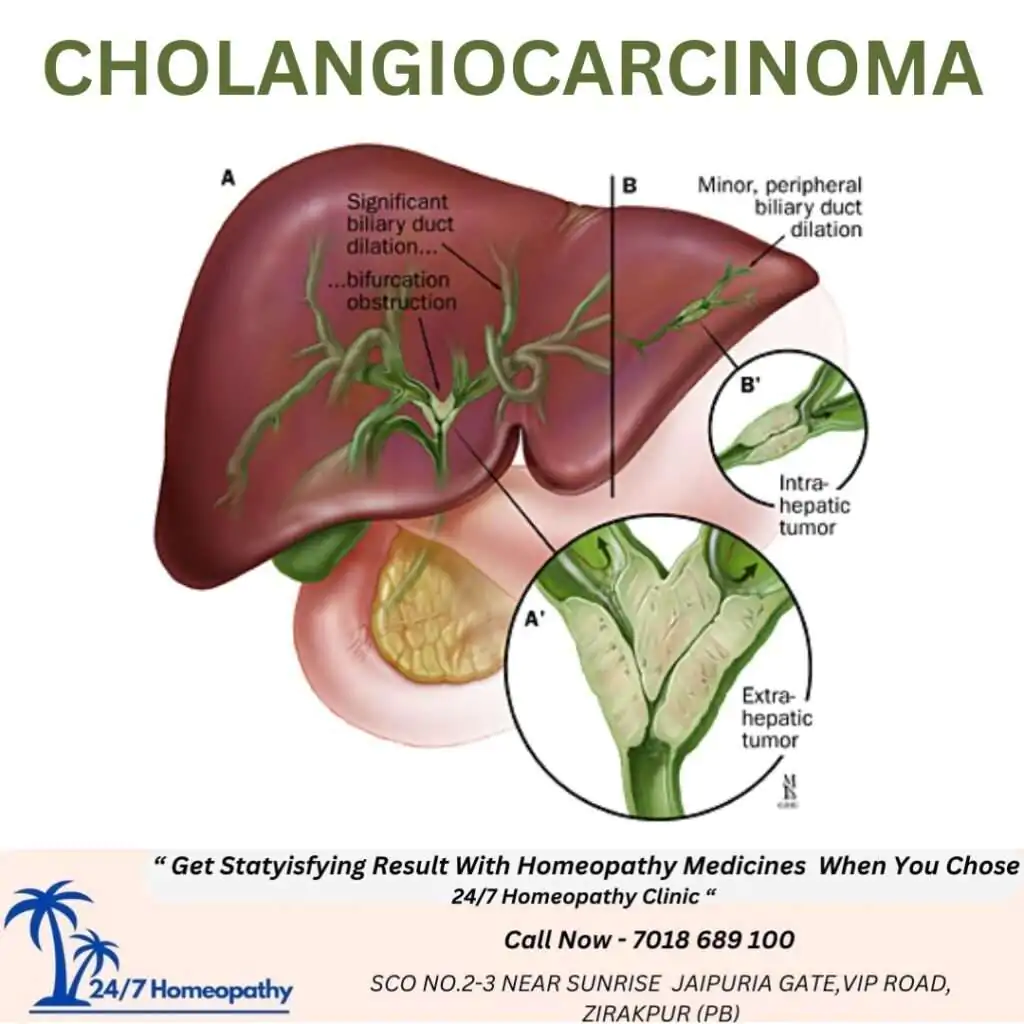
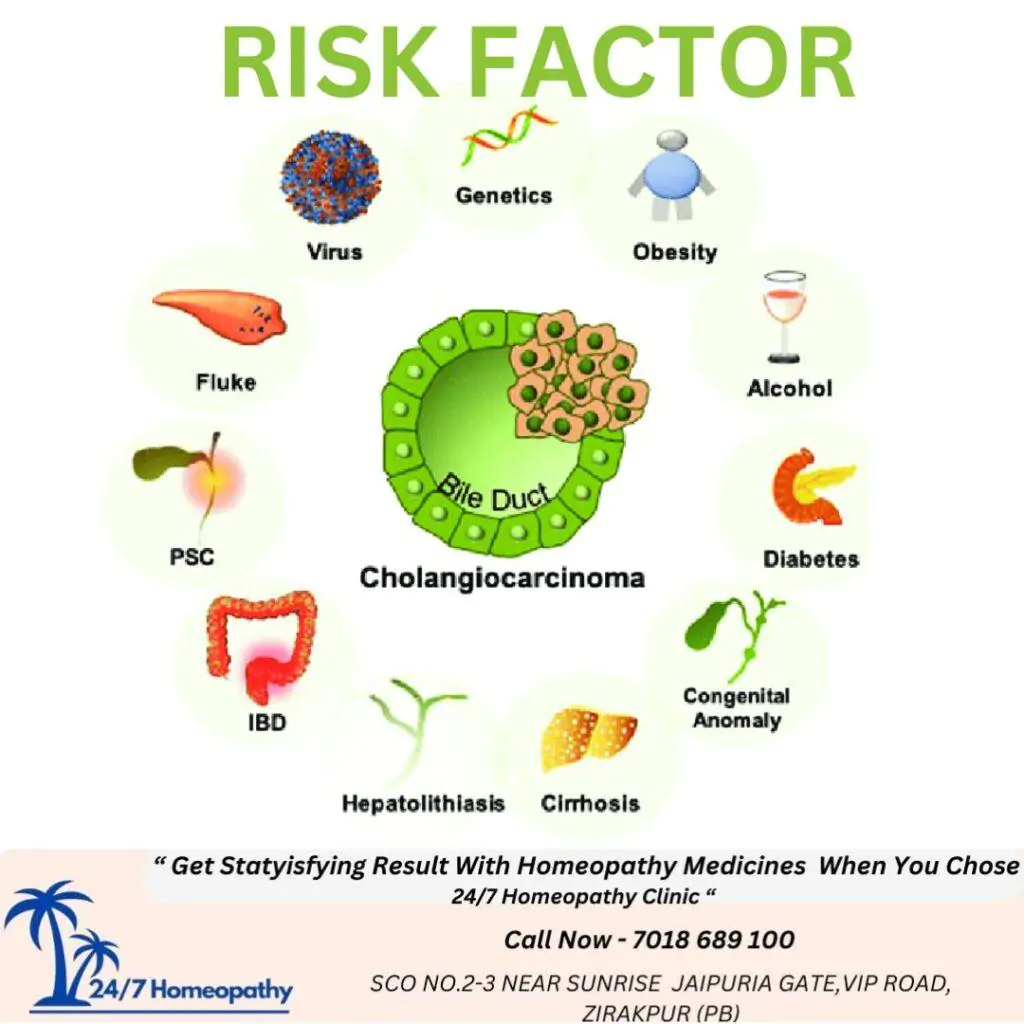
Causes and Risk Factors of Cholangiocarcinoma
The exact cause of cholangiocarcinoma is not always known.
Changes in the DNA of cells can affect the way cells grow, divide and function. Certain conditions and lifestyle factors may increase the risk of developing bile duct cancer.
Bile Duct Stones
Problems involving stones in the bile duct may contribute to irritation or inflammation of the bile duct.
Liver Cirrhosis
Cirrhosis causes long-term damage and scarring of the liver and may be associated with an increased risk of certain liver and bile duct cancers.
Hepatitis B or Hepatitis C
Chronic viral hepatitis can cause long-term inflammation and damage to the liver and may increase the risk of certain cancers.
Long-Term Inflammation
Long-term or repeated inflammation of the bile ducts or surrounding organs can cause ongoing cellular damage.
Bile Duct Blockage or Inflammation
Conditions that cause repeated blockage or inflammation of the bile ducts may increase the risk of abnormal changes in cells.
Immune System Conditions
Certain conditions affecting the immune system may influence a person’s overall risk of developing cancer.
Smoking and Alcohol
Smoking and excessive alcohol consumption can negatively affect overall health and may contribute to cancer risk.
Exposure to Toxic Substances
Long-term exposure to certain toxic substances may be associated with an increased risk of cancer.
Having one or more risk factors does not necessarily mean that a person will develop cholangiocarcinoma
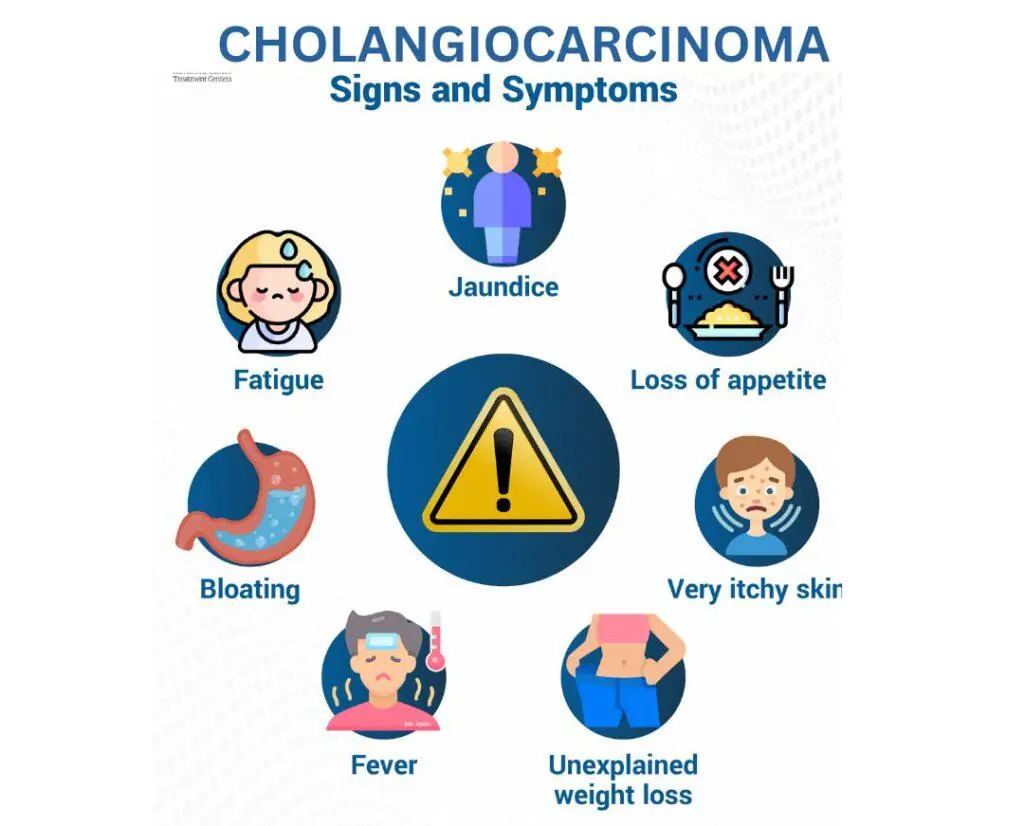
Cholangiocarcinoma Symptoms
Symptoms of bile duct cancer can vary from person to person.
Possible symptoms include:
- Fever
- Indigestion
- Abdominal pain
- Nausea and vomiting
- Itchy skin
- Jaundice
- Yellowing of the skin or eyes
- Unexplained weight loss
- Pale or clay-coloured stools
- Greasy stools
- Dark-coloured urine
- Bloating
- A feeling of heaviness or fullness in the abdomen
Jaundice in Bile Duct Cancer
Jaundice can occur when bile flow becomes blocked. This may cause yellowing of the skin and eyes, dark urine, pale stools and itching.
Jaundice does not always mean that a person has cancer. Gallstones, infections, liver conditions and other problems can also cause jaundice. However, unexplained jaundice should be medically evaluated.
Diagnosis of Bile Duct Cancer
If cholangiocarcinoma is suspected, the doctor may recommend different examinations and tests.
Physical Examination
A doctor may assess symptoms, abdominal discomfort, jaundice and other physical signs.
Liver Function Tests
Blood tests may be performed to evaluate liver function and identify abnormalities associated with liver or bile duct problems.
Tumour Marker Tests
Certain tumour marker tests may be used as part of the evaluation. These tests are generally interpreted together with other clinical findings and investigations.
Ultrasound of the Abdomen
An abdominal ultrasound may help examine the liver, gallbladder and bile ducts and identify abnormalities or blockage.
MRI / MRCP
MRI and MRCP (Magnetic Resonance Cholangiopancreatography) can provide detailed images of the bile ducts, liver and surrounding structures.
ERCP
ERCP (Endoscopic Retrograde Cholangiopancreatography) uses an endoscope and imaging techniques to examine the bile ducts. It may also be used for certain procedures when bile flow is blocked.
PTC
PTC (Percutaneous Transhepatic Cholangiography) is another procedure used to examine the bile ducts. It may be considered in situations where ERCP cannot be performed or is not suitable.
The exact diagnostic approach depends on the patient’s symptoms and clinical findings.
Precautions and Lifestyle Tips
Maintain a Healthy Lifestyle
Follow a balanced diet, stay physically active and maintain a healthy body weight.
Exercise Regularly
Regular physical activity can support general health and fitness.
Stay Hydrated
Drink an appropriate amount of water according to your individual health needs.
Limit Fatty and Junk Foods
Avoid relying heavily on fatty, highly processed and junk foods. Choose a balanced diet with a variety of nutritious foods.
Hepatitis B Vaccination
Vaccination against Hepatitis B can help protect against Hepatitis B infection.
Quit Smoking
Avoid smoking and tobacco products.
Avoid Excessive Alcohol
Avoid excessive alcohol consumption, particularly if you have an existing liver condition.
Manage Abdominal and Bile Duct Conditions
Seek appropriate medical care for persistent abdominal problems, bile duct inflammation, infections or other digestive and liver conditions.
Maintain Adequate Nutrition
A balanced diet containing appropriate amounts of vitamins, minerals, protein and other nutrients can support overall health.
Dietary supplements, including vitamin C, should not be taken in excessive amounts or used as a substitute for medical treatment.
Homeopathic Treatment Approach for Cholangiocarcinoma
At 247 Homeopathy, Dr. Ruchi considers the patient’s individual symptoms, medical history and overall condition when discussing a homeopathic approach.
Chelidonium Majus:
- Constant pain under inferior angle of right scapula
- Eyes yellow, face yellow, wilted skin
- Urine profuse, foaming yellow colour like beer
- Jaundice due to hepatic and gallstone obstructions or due to bile duct cancer
- Nausea and vomiting
- Stool colour pasty, clay coloured.
Arsenicum Album:
- Weakness, great exhaustion after slight exertion.
- Cannot bear the sight or smell of food
- Nausea and vomiting
- Anxiety in pit of stomach
- Vomiting of blood, bile, green mucus
- Gastralgia from slightest food and drink
- Urine scanty, burning
Phosphorus:
- Destructive metabolism
- Suddenness of symptoms, sudden prostration, faints, sweats, shooting pain
- Vomiting water is thrown up as soon as it gets warm in the stomach
- Pain in stomach
- Liver congestion, Jaundice
- Sharp cutting pain in abdomen
Frequently Asked Questions About Cholangiocarcinoma
Can cholangiocarcinoma cause nausea and vomiting?
Yes. Nausea or vomiting can occur in some people with cholangiocarcinoma, although these symptoms are not specific to bile duct cancer and can have many other causes.
Can cholangiocarcinoma cause weakness or fatigue?
Yes. People with cholangiocarcinoma may experience fatigue, weakness or reduced energy. These symptoms are nonspecific and should be assessed alongside other symptoms.
Can bile duct cancer cause an enlarged liver?
Cholangiocarcinoma or associated blockage of the bile ducts may sometimes be associated with enlargement of the liver. An enlarged liver can also have many other causes and requires medical evaluation.
Can cholangiocarcinoma cause abdominal swelling?
Abdominal swelling can occur with advanced illness or other complications, but it is not specific to bile duct cancer. Persistent or unexplained abdominal swelling should be evaluated.
Can cholangiocarcinoma cause vomiting?
Yes. Vomiting may occur in some people, particularly when there are complications affecting digestion or bile flow. Persistent vomiting or vomiting accompanied by jaundice, fever or severe abdominal pain requires prompt medical assessment.
Can cholangiocarcinoma cause an enlarged gallbladder?
A blockage of the bile duct can sometimes lead to enlargement of the gallbladder, depending on where the blockage occurs. Imaging is generally needed to determine the cause of an enlarged gallbladder.
Consultation at 247 Homeopathy, Zirakpur
If you or a family member is experiencing persistent digestive or liver-related symptoms or has been diagnosed with cholangiocarcinoma, 247 Homeopathy in Zirakpur, Punjab, provides homeopathic consultation with Dr. Ruchi.
During the consultation, Dr. Ruchi can review your symptoms, medical history and available reports and discuss an individualized homeopathic approach.
Patients can bring relevant medical records, including:
- Liver function test reports
- Ultrasound reports
- MRI/MRCP reports
- CT scan reports
- ERCP or PTC reports
- Biopsy or pathology reports, where applicable
- Previous prescriptions and treatment records


