Knee Pain
Knee pain is discomfort or pain in or around the knee joint. It can develop suddenly after an injury or gradually because of overuse, arthritis, inflammation or other conditions.
Knee pain is common in adults and may affect everyday activities such as walking, standing, bending, climbing stairs or exercising. Athletes and people involved in running, jumping or sports that require sudden changes in direction may also experience knee pain.
Because the knee carries much of the body’s weight and is involved in many movements, repeated stress or injury can affect its bones, ligaments, tendons, cartilage and other structures.
What Is Knee Pain?
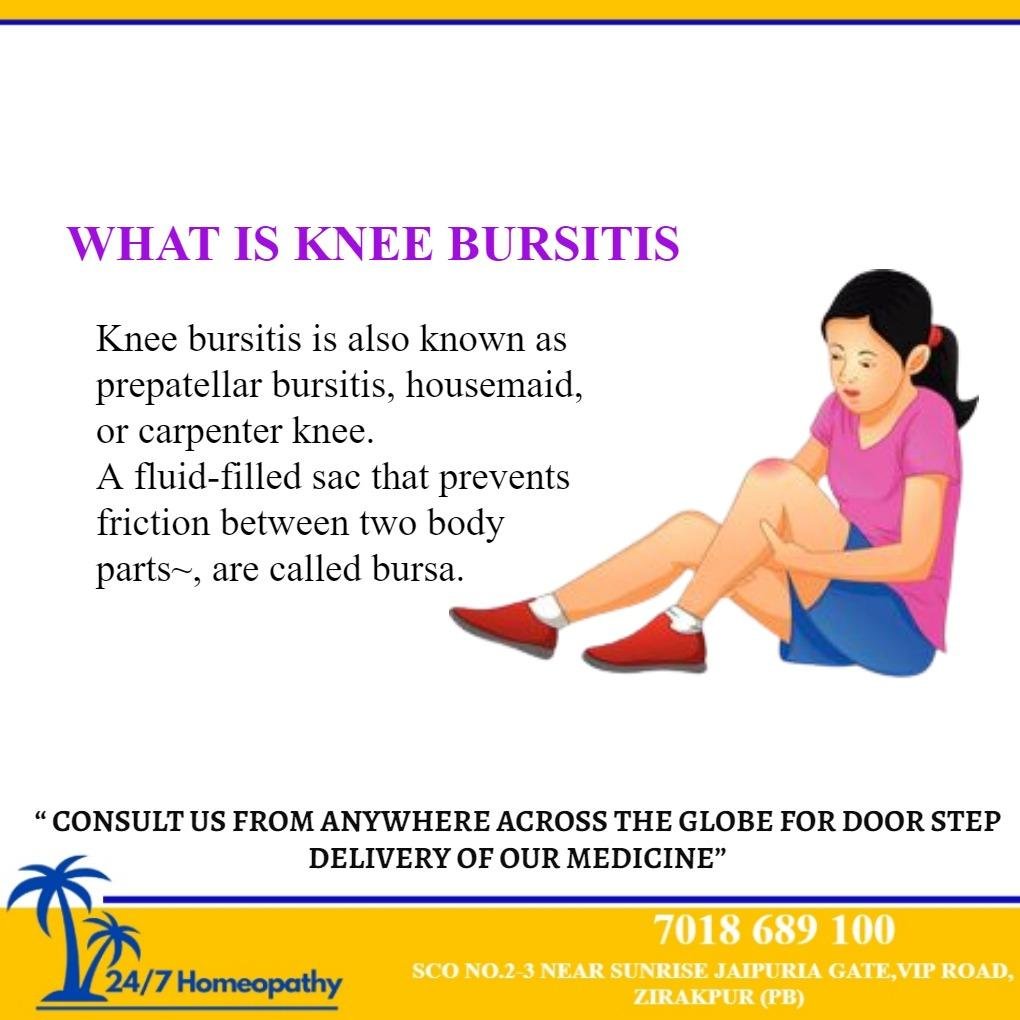
The knee is a complex joint formed mainly by the femur (thigh bone), tibia (shin bone) and patella (kneecap). The fibula is also located alongside the knee and contributes to the structures around the joint.
Different parts of the knee can be affected by injury, repetitive strain, inflammation, wear and tear or other medical conditions.
The location, severity and duration of knee pain can provide useful clues about its possible cause..
Causes of Knee Pain
Knee pain can have many causes. Dr. Ruchi’s original content includes the following:
Injuries
- Ligament sprain
- Muscle or tendon strain
- Meniscus tear
- Dislocated kneecap
- Knee joint dislocation
- Bruising of the knee
Arthritis and Other Conditions
- Osteoarthritis
- Tendinitis
- Knee effusion, which means excess fluid around the knee joint
- Certain knee deformities, such as genu valgum (knock knees) and genu varum (bow legs)
Fractures
Knee pain can also occur following fractures involving bones around the knee, including:
- Tibial fracture
- Femoral fracture
Activity and Movement
Knee pain may occur with both too much physical activity and too little movement. Long-distance running and repetitive activities can place additional stress on the knee.
Some people also notice that joint pain becomes more uncomfortable in cold temperatures.
Referred Pain
Pain felt around the knee does not always originate from the knee itself. Problems involving the hip joint or lumbar spine can sometimes cause pain that is felt in the knee.
Other Causes
Conditions such as deep vein thrombosis (DVT) can cause leg symptoms that may be mistaken for ordinary knee or leg pain. Sudden swelling, warmth or pain in one leg requires prompt medical assessment.
Symptoms of Knee Pain
The symptoms depend on the underlying cause and whether the condition is acute or long-lasting.
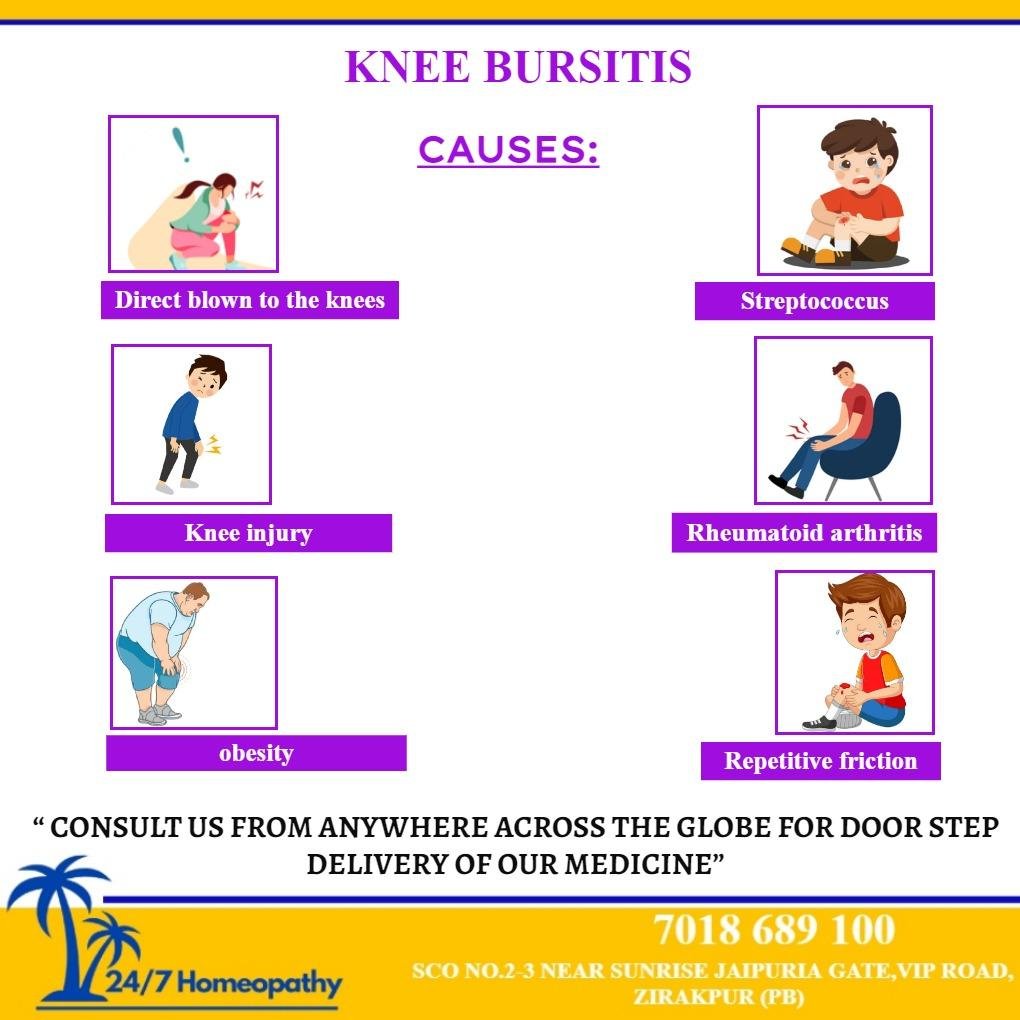
Common symptoms include:
- Knee stiffness
- Swelling around the knee
- Pain while bending or straightening the knee
- Difficulty fully straightening the knee
- Difficulty walking or standing
- Redness or warmth around the knee
- Crackling, clicking or grinding sounds during movement
- Reduced range of motion
- Mild swelling with acute pain
- Persistent stiffness, swelling and difficulty walking in chronic knee problems
A crackling or clicking sound does not always mean that the knee is seriously damaged. It should be considered along with pain, swelling and other symptoms.
Diagnosis of Knee Pain
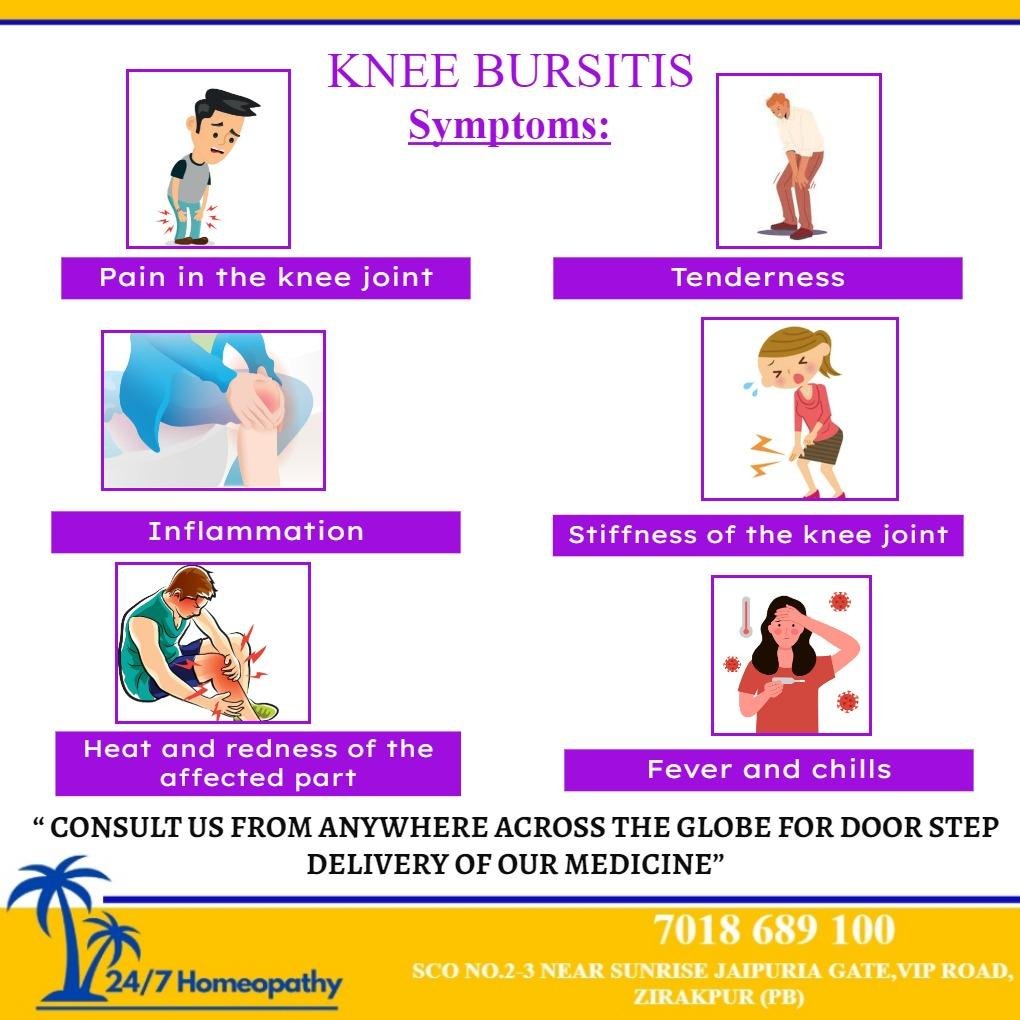
The cause of knee pain is determined through a combination of medical history, physical examination and, when necessary, investigations.
Physical Examination
A healthcare professional may examine the knee for:
- Swelling
- Tenderness
- Pain
- Range of movement
- Joint stability
- Signs of inflammation or injury
The doctor may also ask you to walk, bend or straighten the knee to assess movement.
Imaging Tests
Depending on the suspected cause, investigations may include:
- X-ray
- CT scan
- MRI scan
An X-ray can help assess bones and certain forms of arthritis, while MRI can provide more detailed information about structures such as ligaments, cartilage and menisci.
Arthrocentesis
If inflammation, infection or another joint condition is suspected, a small amount of fluid may be removed from the knee with a needle. This procedure is called arthrocentesis. The fluid can then be examined to help determine the cause.
Precautions and Lifestyle Tips for Knee Pain
If knee pain has recently started, the following measures from the doctor’s recommendations may help reduce stress on the joint:
- Rest and temporarily avoid activities that increase pain.
- Reduce weight-bearing activity when appropriate.
- Elevate the knee when swelling is present.
- An elastic bandage may provide support and help with swelling in some situations.
- Use suitable cushioned footwear or insoles if recommended.
- People with flat feet may benefit from appropriate arch support.
- Reduce high-impact exercise during painful episodes.
- Avoid running downhill if it aggravates your knee; walking downhill may place less impact on the joint.
- Maintain a healthy weight if you are overweight.
- Use appropriate technique and gradual progression when returning to exercise.
When Should You See a Doctor?
Knee pain should be medically evaluated when it is severe, persistent or associated with concerning symptoms.
Seek prompt medical attention if you have:
- Severe pain after an injury
- Inability to bear weight
- A visibly deformed knee
- Sudden or significant swelling
- A hot, red knee with fever
- A knee that becomes locked or cannot be straightened
- Severe swelling or pain in one leg, particularly with breathing difficulty or chest pain
These symptoms may indicate an injury or another condition requiring urgent assessment.
Homeopathic Treatment Approach for Knee Pain
At 247 Homeopathy Clinic, Dr. Ruchi’s approach considers the individual rather than focusing only on the location of pain.
The doctor’s existing content notes that remedy selection may consider factors such as:
- Pain
- Stiffness
- Crackling sounds
- Physical stress
- Mental stress
- Anxiety
- The overall symptom pattern
Frequently Asked Questions
1. Why does my knee hurt more at night?
Knee pain may feel worse at night because of inflammation, arthritis, overuse or certain injuries. Persistent or worsening nighttime pain should be evaluated to identify the underlying cause.
2. Can knee pain cause swelling around the knee?
Yes. Swelling can occur when the knee joint or surrounding tissues become inflamed or injured. Sudden or significant swelling, especially after an injury, should be assessed.
3. Why does my knee hurt when I walk or climb stairs?
Pain during walking or climbing stairs can occur with osteoarthritis, tendon problems, muscle weakness, injuries or other knee conditions. The specific cause requires assessment based on the symptoms and examination.
4. Can knee pain cause stiffness in the morning?
Yes. Morning knee stiffness can occur with conditions such as osteoarthritis or inflammatory joint disorders. Persistent stiffness, particularly when accompanied by swelling, should be evaluated.
5. Can knee pain spread to the thigh or calf?
Yes. Pain around the knee may sometimes be felt in nearby areas such as the thigh or calf. However, new calf swelling, warmth or significant pain should be medically assessed promptly.
6. Why does my knee hurt after sitting for a long time?
Knee pain or stiffness after prolonged sitting can occur with conditions such as osteoarthritis and other joint problems. If the discomfort is frequent, worsening or affecting daily activities, a healthcare professional can help determine the cause.
Consultation at 247 Homeopathy
If you are looking for homeopathic consultation for knee pain, Dr. Ruchi at 247 Homeopathy, Zirakpur can assess your symptoms, pain pattern, stiffness, physical and mental stress and overall health as part of an individualized consultation.
Patients can discuss their knee concerns and receive guidance regarding an appropriate homeopathic approach. If your knee pain follows an injury, is severe or persistent, or is associated with significant swelling or difficulty walking, appropriate medical or orthopedic evaluation should be considered alongside any complementary care.
247 Homeopathy – Dr. Ruchi
Zirakpur, Punjab


