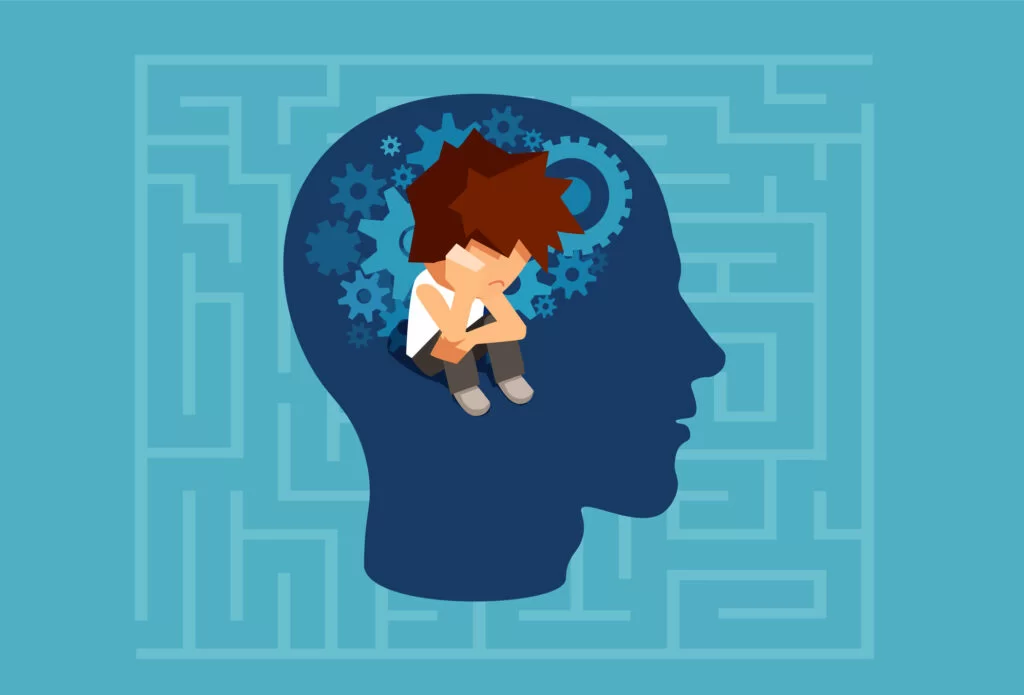
ADHD
Attention Deficit Hyperactivity Disorder (ADHD) is a common neurodevelopmental disorder that affects attention, impulse control, and activity levels. It usually begins in childhood and may continue into adolescence and adulthood. Children with ADHD often find it difficult to focus, stay organized, complete tasks, or control impulsive behavior, which can affect their performance at school, relationships, and daily life.
With early diagnosis, appropriate treatment, behavioral support, and family involvement, many children and adults with ADHD can successfully manage their symptoms and lead productive lives.
At 24/7 Homeopathy, Dr. Ruchi provides individualized homeopathic consultations as a complementary approach to support overall well-being and symptom management alongside evidence-based ADHD care.
What is ADHD?
ADHD (Attention Deficit Hyperactivity Disorder) is a condition that affects how the brain regulates attention, self-control, and executive functioning. It is not caused by poor parenting or lack of discipline.
People with ADHD may have difficulty:
- Paying attention
- Controlling impulses
- Sitting still
- Organizing tasks
- Managing time
- Completing school or work assignments
Symptoms vary from person to person and can range from mild to severe.
Types of ADHD
ADHD is classified into three main types.
1. Predominantly Inattentive Presentation
People mainly experience problems with attention, including:
- Difficulty concentrating
- Easily distracted
- Frequent careless mistakes
- Forgetfulness
- Difficulty organizing daily activities
- Difficulty completing tasks
2. Predominantly Hyperactive-Impulsive Presentation
This type is characterized by:
- Constant movement or restlessness
- Difficulty sitting still
- Excessive talking
- Interrupting conversations
- Acting without thinking
- Difficulty waiting for one’s turn
- Fidgeting with hands or feet
3. Combined Presentation
The most common form, where symptoms of both inattentiveness and hyperactivity-impulsivity are present.
Causes and Risk Factors
The exact cause of ADHD is not fully understood, but research suggests that genetics, brain development, and environmental factors all contribute.
Risk factors include:
- Family history of ADHD
- Genetic factors
- Premature birth
- Low birth weight
- Brain injury
- Exposure to lead or certain environmental toxins
- Smoking, alcohol, or drug use during pregnancy
- Differences in brain structure and neurotransmitter activity
It is important to understand that ADHD is not caused by excessive screen time, poor parenting, or eating sugar, although these factors may influence behavior in some children.
Symptoms of ADHD
Symptoms usually begin before the age of 12 years and may continue into adulthood.
Inattention
- Difficulty paying attention
- Easily distracted
- Poor concentration
- Frequently losing things
- Forgetfulness
- Difficulty following instructions
- Trouble completing homework or work tasks
- Careless mistakes
Hyperactivity
- Constant movement
- Restlessness
- Fidgeting
- Difficulty sitting quietly
- Running or climbing excessively in children
- Excessive talking
Impulsivity
- Interrupting others
- Speaking without thinking
- Difficulty waiting for turns
- Acting impulsively
- Emotional outbursts
- Easily becoming frustrated or angry
When Should You See a Doctor?
Seek evaluation if symptoms:
- Continue for more than six months
- Affect school performance
- Interfere with work
- Cause social or behavioral problems
- Affect family relationships
- Lead to poor academic achievement
Early diagnosis helps children receive timely support.
Diagnosis
There is no single laboratory test that confirms ADHD.
Diagnosis is based on a comprehensive evaluation by a qualified healthcare professional.
Assessment may include:
Medical History
- Pregnancy and birth history
- Developmental milestones
- Family history
- School performance
Behavioral Assessment
Information is collected from:
- Parents
- Teachers
- Caregivers
- The individual (when age appropriate)
Physical Examination
To rule out other medical conditions that may mimic ADHD.
Psychological Assessment
Standardized questionnaires and diagnostic criteria (such as DSM-5) are commonly used to confirm the diagnosis.
Symptoms should be present in more than one setting (such as home and school) and persist for at least six months.
Conventional Treatment
Treatment depends on the person’s age, symptom severity, and individual needs.
It may include:
- Behavioral therapy
- Parent training
- School-based support
- Cognitive behavioral therapy (CBT) in selected cases
- ADHD medications when prescribed by a specialist
- Educational interventions
- Regular follow-up
A combination of behavioral strategies and medical treatment often provides the best outcomes.
Lifestyle Tips and Management
Daily habits can help improve symptom control.
Helpful strategies include:
- Maintain a consistent daily routine.
- Use planners and visual schedules.
- Break large tasks into smaller steps.
- Encourage regular physical activity.
- Ensure adequate sleep.
- Limit distractions during homework.
- Provide positive reinforcement.
- Avoid excessive criticism.
- Build self-confidence through encouragement.
- Maintain a balanced and nutritious diet.
- Work closely with teachers and healthcare professionals.
Parental support and structured routines play an important role in managing ADHD.
Homeopathic Treatment Approach
ADHD is a neurodevelopmental condition that benefits from a multidisciplinary approach. Homeopathy prescribed medications when these are recommended.
Aethusa Cynapium
May be considered in individuals with symptom patterns such as:
- Difficulty concentrating
- Mental confusion
- Poor attention
- Restlessness
Tarentula Hispanica
May be considered for individuals with:
- Marked restlessness
- Constant movement
- Hyperactivity
- Difficulty remaining seated
Bacopa
Traditionally used in homeopathic practice for individuals with:
- Poor concentration
- Hyperactivity
- Attention difficulties
Medicine selection is individualized.
Anacardium Orientale
May be considered when symptoms include:
- Forgetfulness
- Poor memory
- Absent-mindedness
- Low self-confidence
- Easily offended or emotionally sensitive
All homeopathic prescriptions should be made by a qualified practitioner after a detailed consultation.
Frequently Asked Questions (FAQs)
What is ADHD?
ADHD is a neurodevelopmental disorder that affects attention, impulse control, and activity levels.
At what age does ADHD usually begin?
Symptoms usually begin before the age of 12 years, although many children show signs much earlier.
Can adults have ADHD?
Yes. Many adults continue to experience ADHD symptoms that began in childhood, although the presentation may change over time.
Is ADHD hereditary?
Genetics play a major role, and children with a family history of ADHD have a higher risk of developing the condition.
Can ADHD be cured?
There is currently no permanent cure for ADHD. However, early diagnosis, behavioral therapy, educational support, medication when appropriate, and lifestyle strategies can help manage symptoms effectively.
Can homeopathy help in ADHD?
Homeopathy may be used as a complementary, individualized approach to support symptom management and overall well-being. It should not replace evidence-based treatments recommended by qualified healthcare professionals.
Consult Dr. Ruchi at 24/7 Homeopathy, Zirakpur
If your child or a family member is experiencing symptoms of ADHD, early assessment and appropriate support can make a significant difference in learning, behavior, and quality of life.
At 24/7 Homeopathy, Dr. Ruchi offers individualized homeopathic consultations designed to complement conventional ADHD care. Each treatment plan is tailored to the patient’s unique symptoms, emotional health, lifestyle, and medical history.
Whether you are in Zirakpur, Chandigarh, Panchkula, Mohali, or elsewhere in India or abroad, consultations are available in person and online, with medicine delivery available where appropriate.
Book a consultation today to receive personalized guidance and supportive homeopathic care as part of a comprehensive ADHD management plan.


