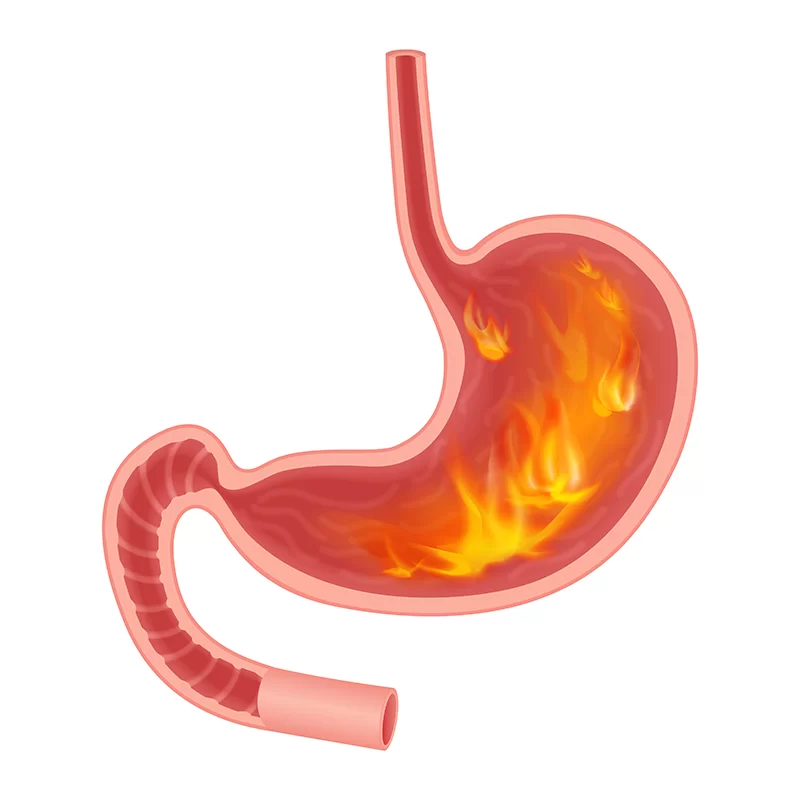
GERD
Gastro-oesophageal Reflux Disease (GERD) Overview
GERD, also known as Gastro-Oesophageal Reflux Disease, is a condition in which stomach contents flow back into the food pipe (oesophagus). This can cause heartburn, acid reflux and irritation of the food pipe.
The food pipe, or oesophagus, is a tube that carries food from the mouth to the stomach. A muscular ring at the lower end of the food pipe opens to allow food to enter the stomach and normally closes afterward.
When this muscular ring becomes weak or does not close properly, stomach contents can flow back into the food pipe and cause symptoms of acid reflux.
Causes of Chronic Acid Reflux
Chronic acid reflux may occur due to several factors, including:
- Weakness or improper closing of the muscular ring of the food pipe.
- Overeating.
- Lying down after eating a meal.
- Pregnancy.
- Smoking.
- A history of hiatus hernia.
Symptoms of Chronic Acid Reflux
The common signs and symptoms of chronic acid reflux may include:
- Heartburn
- Difficulty in breathing
- Regurgitation of food
- Nausea and vomiting
- Burning chest pain with heaviness
- Dental cavities
- Sore throat
- Laryngitis
Symptoms may vary from person to person and may become more noticeable after meals or while lying down.
Risk Factors for Chronic Acid Reflux
Certain factors may increase the risk of developing acid reflux disease, including:
- Tobacco smoking
- Pregnancy
- Asthma
- Eating highly spicy or rich foods
- Long-term intake of certain medicines such as sedatives and NSAIDs
- A history of hormone replacement therapy
- Improper eating patterns
GERD Diagnosis
GERD may be evaluated with the help of the patient’s symptoms and, when required, diagnostic investigations.
Endoscopy
Endoscopy involves inserting a long flexible tube with a camera or light at the front through the mouth to examine the lining of the food pipe (oesophagus).
It can help the doctor examine the condition of the food pipe and identify changes or damage.
Barium Swallow Radiograph
In a barium swallow examination, the patient swallows a barium-containing liquid. X-rays are then taken to observe the passage of the barium through the food pipe.
Complications of Chronic Acid Reflux
Chronic acid reflux may be associated with complications such as:
- Difficulty in breathing
- Laryngitis
- Irritation or damage to the food pipe
- Ulceration of the food pipe
- Dental cavities
Persistent symptoms should be evaluated so that appropriate care can be considered.
Chronic Acid Reflux Management
Certain lifestyle and dietary measures may help manage acid reflux symptoms.
1. Avoid Fried and Spicy Foods
Try to avoid foods that are fried, highly spicy or particularly heavy if they worsen your symptoms.
2. Avoid Large Meals
Do not take a very large meal at one time. Smaller meals may be more comfortable for people experiencing reflux.
3. Avoid Certain Foods and Drinks
The following may worsen symptoms in some people:
- Alcohol
- Coffee
- Chocolate
- Cold drinks
4. Avoid Smoking
Smoking can contribute to acid reflux symptoms. Avoid tobacco smoking as part of a healthier lifestyle.
5. Stay Active After Meals
The doctor’s original advice recommends taking around 300 steps after a meal rather than lying down immediately.
6. Raise the Head During Sleep
If symptoms become worse while lying down, sleep with the head and upper body raised. The head should be positioned higher than the chest.
Homeopathic Management of GERD
At 247 Homeopathy, Zirakpur, Dr. Ruchi considers the individual’s symptoms and overall condition when selecting a homeopathic remedy.
The following remedies are included in Dr. Ruchi’s homeopathic management approach for GERD:
1. Robinia
Robinia is traditionally considered in homeopathic practice for GERD and acid reflux when there is intense heartburn with sour belching.
It may be considered when there is vomiting of sour stomach contents and symptoms become worse at night or while lying down.
2. Iris Versicolor
Iris Versicolor may be considered when heartburn is accompanied by bitter or sour belching.
The traditional symptom picture may include vomiting of bitter fluid, pain in the epigastric region, and constant nausea or vomiting after meals.
3. Nux Vomica
Nux Vomica is traditionally considered when GERD symptoms are accompanied by cough, particularly when the cough becomes worse at night.
The symptom picture may include:
- Burning in the throat
- Regurgitation of food
- Sour taste
- Symptoms that become worse at night
4. Phosphorus
Phosphorus has traditionally been used in homeopathic practice for various gastrointestinal complaints.
In the context of GERD, it may be considered when there is burning in the stomach that is relieved by drinking cold water, along with the individual’s other symptoms.
The overall symptom pattern is considered when selecting the appropriate remedy.
Frequently Asked Questions About GERD
Can GERD cause a cough?
Yes. Stomach contents reaching the throat can irritate the upper airway and may contribute to a persistent cough in some people. A chronic cough can have many other causes, so it should be evaluated if it continues.
Can GERD cause difficulty swallowing?
Yes. GERD can sometimes be associated with difficulty or discomfort when swallowing, particularly when reflux causes inflammation or narrowing of the food pipe. New or worsening swallowing difficulty should be medically assessed.
Can GERD cause a bitter or sour taste in the mouth?
Yes. Refluxed stomach contents can reach the throat or mouth and cause a sour or bitter taste, particularly after meals or when lying down.
Can GERD cause bad breath?
GERD may contribute to unpleasant breath in some people, although bad breath has many possible causes, including dental and oral conditions. Persistent bad breath should be evaluated rather than assumed to be caused by reflux.
Can GERD cause chest pain?
Yes. Acid reflux can cause a burning or uncomfortable sensation in the chest. However, chest pain can also be caused by heart problems and should not automatically be attributed to GERD, especially if it is severe, new or associated with breathing difficulty, sweating, dizziness or pain spreading to the arm or jaw.
When should I see a doctor for GERD symptoms?
See a healthcare professional if symptoms are persistent, frequent or interfering with daily life, or if you develop difficulty swallowing, unexplained weight loss, repeated vomiting or signs of gastrointestinal bleeding. Severe or unexplained chest pain requires urgent medical evaluation.
Consult 247 Homeopathy for GERD
If you are experiencing heartburn, acid reflux, regurgitation, nausea, burning chest discomfort or other GERD-related symptoms, you can consult Dr. Ruchi at 247 Homeopathy in Zirakpur, Punjab.
247 Homeopathy provides consultation for patients in Zirakpur and nearby areas and also offers online consultation for patients from other parts of India and worldwide.
Dr. Ruchi can discuss your symptoms, eating pattern, aggravating factors and overall health to understand your condition and provide an individualized homeopathic approach.