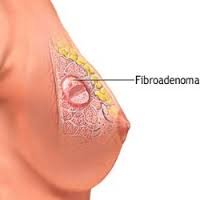
Fibroadenoma of the Breast
A fibroadenoma of the breast is a common benign (non-cancerous) breast lump. It is most often found in adolescents and young women, although fibroadenomas can occur at different ages.
A fibroadenoma is usually round or oval, well-defined and firm or rubbery. It may feel smooth and can often move under the skin when touched. Some fibroadenomas cause no pain, while others may become tender, particularly around the menstrual period.
Fibroadenomas are not breast cancer, but any new or changing breast lump should be assessed by a qualified healthcare professional rather than assumed to be a fibroadenoma.
What Is Fibroadenoma of the Breast?
A fibroadenoma is a benign breast tumor made up of glandular and connective tissue. It commonly develops in younger women and may be influenced by hormonal changes.
Fibroadenomas can vary in size. Some remain stable, while others may become larger, particularly during periods of hormonal change such as pregnancy.
After menopause, some fibroadenomas may become smaller as hormone levels change.
Causes of Fibroadenoma of the Breast
The exact cause of fibroadenoma is not completely understood. Hormones, particularly estrogen, appear to play a role because fibroadenomas are more common during the reproductive years and may change in response to hormonal changes.
Factors that may be associated with fibroadenoma include:
- Young age, particularly adolescence and early adulthood
- Hormonal changes
- Pregnancy, during which some fibroadenomas may enlarge
- A history of fibroadenoma
- Certain hormonal or reproductive factors
The original content mentions oral contraceptive use at a young age as a cause. However, it is more appropriate to describe this as a possible hormonal association rather than an established direct cause.
Types of Fibroadenoma
Fibroadenomas may be classified into different types based on their appearance and microscopic features.
1. Simple Fibroadenoma
A simple fibroadenoma has relatively uniform tissue characteristics under microscopic examination. Simple fibroadenomas generally do not significantly increase breast cancer risk.
2. Complex Fibroadenoma
A complex fibroadenoma contains additional microscopic features that distinguish it from a simple fibroadenoma. Some studies suggest that complex fibroadenomas may be associated with a slightly increased future breast cancer risk, although the overall risk remains dependent on other individual factors.
3. Juvenile Fibroadenoma
Juvenile fibroadenoma usually occurs in adolescents. These fibroadenomas can sometimes grow rapidly and become noticeably large.
The exact type of fibroadenoma is determined by a healthcare professional based on imaging and, when required, tissue examination.
Symptoms of Fibroadenoma of the Breast
A fibroadenoma may have no symptoms other than a palpable lump.
Common features include:
- A smooth, firm or rubbery breast lump
- A round or oval lump with clearly defined edges
- A lump that may move easily under the skin
- A painless lump
- Breast tenderness or pain in some individuals
- A lump that may become more noticeable around menstruation
- A single or multiple fibroadenomas
- Fibroadenomas occurring in one or both breasts
- Changes in lump size over time
Fibroadenomas usually do not cause nipple discharge or nipple inversion. However, these symptoms can occur with other breast conditions and should be medically assessed rather than attributed automatically to a fibroadenoma.
When Should a Breast Lump Be Checked?
A new breast lump should always be evaluated, particularly if it is:
- Newly developed
- Increasing in size
- Hard or fixed
- Associated with skin changes
- Associated with nipple inversion
- Associated with bloody or unusual nipple discharge
- Associated with enlarged lymph nodes
- Associated with persistent breast pain
Most breast lumps are not cancer, but only appropriate medical assessment can determine the likely cause.
Diagnosis of Fibroadenoma
A healthcare professional may use a combination of clinical examination and breast imaging to evaluate a lump.
1. Breast Examination
The doctor examines the breast and surrounding areas to assess:
- Size and location of the lump
- Whether it is single or multiple
- Whether it occurs in one or both breasts
- Whether the lump is mobile or fixed
- Skin or nipple changes
- Any associated tenderness
- Enlarged lymph nodes
2. Breast Ultrasound
Ultrasound is commonly used to evaluate a breast lump, particularly in younger women. It can help distinguish a solid mass from a fluid-filled cyst and provide information about the appearance of the lump.
3. Mammogram
A mammogram is an X-ray examination of the breast. Whether a mammogram is appropriate depends on the person’s age, symptoms, breast characteristics and clinical assessment.
4. Biopsy or FNAC
In some cases, a doctor may recommend a tissue sample to establish the diagnosis.
Fine-needle aspiration cytology (FNAC) uses a thin needle to obtain cells for examination. A core needle biopsy may also be recommended when more tissue is needed.
The appropriate test depends on the individual patient and the characteristics of the breast lump.
Risk Factors
Fibroadenomas are particularly common in younger women. Factors associated with their development may include:
- Younger age
- Hormonal influences
- Pregnancy or other hormonal changes
- Previous fibroadenoma
- Certain family or personal factors
A family history of breast cancer is more relevant to the assessment of breast cancer risk than to fibroadenoma itself. Therefore, a family history should be discussed with a doctor when evaluating any breast lump.
Management of Fibroadenoma
Not every fibroadenoma requires active treatment.
Depending on the size, appearance, symptoms, age of the patient and diagnostic findings, a doctor may recommend:
- Observation and follow-up
- Repeat clinical examination
- Follow-up imaging
- Biopsy when the diagnosis is uncertain
- Surgical removal in selected cases, such as a large, rapidly growing or symptomatic fibroadenoma
The appropriate management should be decided after proper breast evaluation.
Homeopathic Management of Fibroadenoma
At 247 Homeopathy, Zirakpur, homeopathic consultation may be considered based on the individual’s symptoms, medical history and overall health.
1. Conium Maculatum
The doctor’s notes traditionally associate Conium maculatum with:
- Breast nodules
- Breast tenderness
- Painful breast nodules
- Symptoms that may become more noticeable around menstruation
2. Scrophularia Nodosa
The doctor’s notes traditionally consider Scrophularia nodosa when there are:
- Breast nodules
- Firm or enlarged breast tissue
- Symptoms described in association with benign breast lumps
3. Calcarea Fluorica
The traditional homeopathic description includes:
- Very hard or firm nodules
- Stony-hard feeling in affected tissue
- Firm breast lumps
4. Phytolacca
The doctor’s traditional indications include:
- Breast tenderness
- Breast inflammation-type symptoms
- Painful breast nodules
- Sensitivity of the breast to touch
- Possible associated lymph-node swelling
Any breast inflammation, rapid change in a lump or enlarged lymph node should be medically evaluated.
Lifestyle and Self-Care Tips
There is no specific lifestyle measure proven to prevent every fibroadenoma. However, general breast health can include:
- Maintain a healthy lifestyle
- Eat a balanced diet
- Stay physically active
- Maintain a healthy body weight
- Keep track of any known breast lumps
- Attend recommended breast examinations
- Follow the imaging or follow-up schedule advised by your doctor
- Seek medical assessment if a lump changes in size, shape or feel
Frequently Asked Questions
Can a fibroadenoma suddenly get bigger?
Yes. A fibroadenoma can increase in size, sometimes in response to hormonal changes. However, a lump that grows quickly or changes noticeably should be reassessed by a healthcare professional to confirm that it is still a fibroadenoma.
Can fibroadenoma cause nipple discharge?
Fibroadenomas do not typically cause nipple discharge. New or unexplained nipple discharge, particularly if it is bloody or occurs without squeezing the nipple, should be evaluated by a doctor.
Can a fibroadenoma come back after it is removed?
A fibroadenoma that has been completely removed does not usually grow back in the same location. However, a person who has had one fibroadenoma may develop another fibroadenoma elsewhere in the breast.
Can fibroadenoma affect breastfeeding?
Most fibroadenomas do not prevent a person from breastfeeding. However, a large fibroadenoma or one located near certain breast structures may sometimes affect breastfeeding depending on its size and location.
When should a fibroadenoma be checked again?
A fibroadenoma should be reassessed if it becomes noticeably larger, develops new pain or other changes, or if a new breast lump appears. Follow-up recommendations depend on the imaging findings, diagnosis and individual circumstances.
Homeopathic Consultation at 247 Homeopathy, Zirakpur
If you have a diagnosed fibroadenoma or are experiencing a breast lump, you can consult Dr. Ruchi at 247 Homeopathy, Zirakpur, Punjab for an individualized homeopathic assessment.
The consultation can consider your symptoms, menstrual history, previous medical reports and overall health.
If you have a new, rapidly growing, hard or fixed breast lump, nipple changes, unusual discharge, skin changes or enlarged lymph nodes, seek appropriate medical evaluation promptly.


