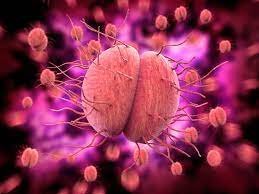
Gonorrhoea
Gonorrhoea is a sexually transmitted infection (STI) caused by the bacterium Neisseria gonorrhoeae. It can affect the genitals, rectum, throat and, less commonly, the eyes.
Gonorrhoea can sometimes cause no noticeable symptoms, particularly in women. Because an infected person may transmit the infection without knowing it, testing is important after a potential exposure or when symptoms develop.
Gonorrhoea is treatable, but medical evaluation and appropriate antibiotic treatment are important because untreated infection can lead to complications and can be transmitted to sexual partners.
What Is Gonorrhoea?
Gonorrhoea is a bacterial infection that is primarily transmitted through sexual contact with an infected person. It can spread through vaginal, anal or oral sex.
The infection may affect:
- Urethra
- Cervix
- Vagina
- Rectum
- Throat
- Eyes
An infected mother can also transmit gonorrhoea to a baby during childbirth.
Causes of Gonorrhoea
The main cause of gonorrhoea is infection with Neisseria gonorrhoeae.
It can spread through:
- Unprotected vaginal, anal or oral sex with an infected person
- Sexual contact with an infected person even when they have no symptoms
- Contact with infected genital secretions
- Transmission from an infected mother to her baby during childbirth
Gonorrhoea is not simply caused by poor hygiene and does not require visible symptoms in the infected partner for transmission to occur.
Risk Factors
The risk of gonorrhoea may be higher in people who:
- Have multiple sexual partners
- Have unprotected sex
- Have a current or previous STI
- Have a sexual partner with an STI
- Are sexually active and have a higher likelihood of exposure
- Do not have regular STI screening when at increased risk
People of any sex or sexual orientation can develop gonorrhoea.
Symptoms of Gonorrhoea
Some people may have no symptoms, which is why gonorrhoea can sometimes spread unknowingly.
Symptoms in females
Possible symptoms include:
- Vaginal discharge
- Burning or pain while urinating
- Pain during sexual intercourse
- Vaginal irritation or itching
- Abnormal vaginal bleeding, including bleeding between periods
- Lower abdominal or pelvic discomfort
Symptoms in males
Possible symptoms include:
- Burning or pain while urinating
- White, yellow or greenish discharge from the penis
- Swelling or pain in the testicles
- Irritation around the urethra
Rectal Gonorrhoea
When the rectum is affected, symptoms may include:
- Rectal discharge
- Itching around the anus
- Soreness
- Burning or pain during bowel movements
- Rectal bleeding
Throat infection may cause a sore throat or may produce no symptoms at all.
Diagnosis of Gonorrhoea
Gonorrhoea should be confirmed through appropriate laboratory testing rather than symptoms alone.
Depending on the site of infection, testing may include:
- Urine testing
- Swab testing from the affected area
- Testing of genital, rectal or throat samples when appropriate
- Additional STI testing based on individual risk and symptoms
A healthcare professional may recommend testing for other sexually transmitted infections as well.
Complications of Untreated Gonorrhoea
Untreated gonorrhoea can cause serious complications.
In women, it can spread to the reproductive organs and contribute to pelvic inflammatory disease (PID), which may increase the risk of infertility or ectopic pregnancy.
In men, infection can sometimes spread to structures around the testicles and cause complications affecting fertility.
In rare cases, gonorrhoea can spread through the bloodstream and affect other parts of the body.
An infected mother can also pass the infection to her baby during childbirth, potentially causing serious eye infection in the newborn.
Prevention and Precautions
You can reduce the risk of gonorrhoea by:
- Using condoms or other barrier protection correctly during sexual activity
- Limiting exposure to multiple sexual partners
- Getting tested when there is a potential STI exposure
- Ensuring sexual partners are tested and treated when necessary
- Avoiding sexual contact until you and your partner have completed the recommended treatment and your healthcare professional advises that it is safe
- Informing recent sexual partners if you are diagnosed with gonorrhoea so they can seek testing and treatment
If you are pregnant and may have been exposed to gonorrhoea, consult your healthcare provider promptly.
Homeopathic Treatment Approach for Gonorrhoea
At 247 Homeopathy, Dr. Ruchi reviews the individual’s symptoms, medical history and overall health before discussing a homeopathic approach.
The remedies mentioned in the doctor’s original clinical content include:
Medorrhinum
The doctor’s notes describe Medorrhinum in cases with marked urethral inflammation, burning during urination, offensive urine and whitish or yellowish penile discharge. In females, the notes mention thick vaginal discharge with an unpleasant odour.
Sepia
The doctor’s notes describe Sepia in cases involving genital burning and itching, along with certain genital eruptions and irritation.
Nitric Acid
The doctor’s notes describe Nitric Acid in cases involving genital or urethral irritation, painful urination, swelling, tenderness and genital discharge.
Frequently Asked Questions About Gonorrhoea
Can gonorrhoea occur without symptoms?
Yes. Some people, particularly women and people with throat or rectal infection, may have few or no noticeable symptoms. This is one reason testing can be important after a possible exposure.
How is gonorrhoea transmitted?
It is primarily transmitted through vaginal, anal or oral sexual contact with an infected person. It can also be transmitted from an infected mother to her baby during childbirth.
Can gonorrhoea be cured?
Gonorrhoea is a treatable bacterial infection. Appropriate antibiotic treatment is required, and treatment recommendations can vary because antibiotic resistance is an important concern.
Can gonorrhoea cause infertility?
Yes. Untreated gonorrhoea can cause complications such as pelvic inflammatory disease in women, which can affect fertility. Complications involving the male reproductive tract can also affect fertility.
Can gonorrhoea come back after treatment?
Yes. A person can become infected again after successful treatment if they are exposed to the infection again. This is different from the original infection simply becoming active again.
Should my sexual partner also be tested?
Yes. If you are diagnosed with gonorrhoea, recent sexual partners should be informed and assessed according to medical guidance to reduce reinfection and further transmission.
When should I see a doctor?
Seek medical care if you have genital discharge, burning while urinating, pelvic or testicular pain, rectal symptoms, or a known sexual exposure to gonorrhoea. Prompt testing and treatment are important.
Consult 247 Homeopathy in Zirakpur
If you are looking for homeopathic consultation for gonorrhoea in Zirakpur, Dr. Ruchi at 247 Homeopathy can review your symptoms and health history and discuss an appropriate supportive approach.
The clinic serves patients in Zirakpur and nearby areas, while online consultation options can make it possible for patients in other parts of India and worldwide to seek consultation.
For suspected or confirmed gonorrhoea, please ensure that appropriate medical testing and antibiotic treatment are not delayed.
Book a consultation with Dr. Ruchi at 247 Homeopathy for personalised guidance.


