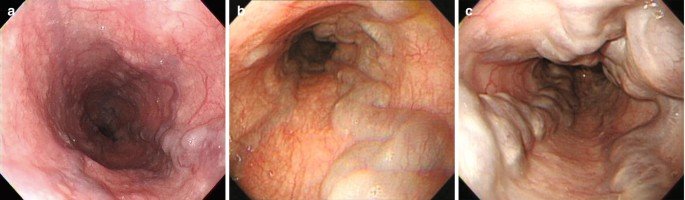
Esophageal Varices
Esophageal varices are enlarged, swollen veins in the lower part of the esophagus, the tube that carries food from the mouth to the stomach. They usually develop when increased pressure in the portal vein system, known as portal hypertension, causes blood to be redirected through smaller veins around the esophagus.
These veins have thin walls and are not designed to carry large amounts of blood. If they become significantly enlarged, they can rupture and cause severe internal bleeding.
Esophageal varices are most commonly associated with advanced liver disease and cirrhosis. They may not cause symptoms until bleeding occurs, which is why people with significant liver disease may need regular medical monitoring.
Vomiting blood or passing black, tarry stools can indicate bleeding from esophageal varices and requires immediate emergency medical care.
What Are Esophageal Varices?
Esophageal varices are abnormally enlarged veins in the esophagus.
Normally, blood from the stomach, intestines, spleen and other abdominal organs flows through the portal vein to the liver. When blood flow through the liver becomes difficult because of scarring or another obstruction, pressure can build up in the portal venous system.
The increased pressure can cause blood to find alternative pathways through smaller veins. Veins in the lower esophagus can become enlarged as a result.
If an enlarged vein ruptures, it can cause a potentially life-threatening upper gastrointestinal hemorrhage.
Causes of Esophageal Varices
The most common underlying cause is portal hypertension, particularly when it develops as a result of cirrhosis.
1. Portal Hypertension
Portal hypertension occurs when pressure increases in the portal venous system. This can force more blood through veins around the esophagus, causing them to enlarge.
2. Cirrhosis and Liver Scarring
Severe scarring of the liver can obstruct normal blood flow and increase portal pressure.
Cirrhosis may develop due to conditions such as:
- Chronic viral hepatitis
- Alcohol-related liver disease
- Metabolic dysfunction-associated steatotic liver disease
- Certain autoimmune liver diseases
- Some bile duct disorders
3. Blood Clots
A blood clot in the portal vein or other vessels involved in the portal circulation can interfere with normal blood flow and contribute to portal hypertension.
4. Parasitic Infections
Certain parasitic infections, including schistosomiasis, can damage the liver or portal circulation and contribute to portal hypertension and varices.
5. Other Causes of Portal Hypertension
Portal hypertension can occasionally occur without cirrhosis. The underlying cause needs to be identified by a qualified healthcare professional.
Symptoms of Esophageal Varices
Small esophageal varices may cause no symptoms. Many people do not know they have varices until they are discovered during evaluation for liver disease or portal hypertension.
Symptoms become particularly concerning when a varix bleeds.
Signs of Variceal Bleeding
Possible symptoms include:
- Vomiting bright red blood
- Vomiting material that looks like coffee grounds
- Black, tarry stools
- Dizziness or lightheadedness
- Severe weakness
- Fainting or loss of consciousness
- Rapid heartbeat
- Pale or clammy skin
Acute gastrointestinal bleeding can cause shock when blood loss is severe.
Symptoms of Associated Liver Disease
Esophageal varices often occur in people with advanced liver disease. Other symptoms may include:
- Yellowing of the skin or eyes (jaundice)
- Fluid accumulation in the abdomen (ascites)
- Easy bruising or bleeding
- Swelling of the legs or ankles
- Fatigue or weakness
- Loss of appetite
- Confusion or changes in thinking in advanced liver disease
These symptoms can be caused by the underlying liver disease rather than by the varices themselves.
When Is Esophageal Variceal Bleeding an Emergency?
Esophageal variceal bleeding is a medical emergency.
If you or someone around you vomits blood, passes black or bloody stools, becomes severely dizzy, faints or develops signs of shock, go to an emergency department immediately.
Do not wait for a homeopathic consultation or attempt to manage suspected variceal bleeding at home. Medical treatment may include resuscitation, medicines to reduce portal pressure and urgent upper gastrointestinal endoscopy to control the bleeding.
Risk Factors for Esophageal Varices
The risk of developing esophageal varices or bleeding from them may increase with:
- Portal hypertension
- Advanced cirrhosis
- Large varices
- Previous variceal bleeding
- Severe liver disease
- Continued alcohol consumption in alcohol-related liver disease
- Certain conditions affecting the portal or hepatic veins
The risk of bleeding depends on several factors, including the size and appearance of the varices and the severity of the underlying liver disease.
Complications of Esophageal Varices
The most serious complication is variceal hemorrhage, which can cause significant blood loss and become life-threatening.
Other consequences of severe bleeding can include:
- Anemia
- Low blood pressure
- Shock
- Loss of consciousness
- Recurrent bleeding
Because varices are often a complication of portal hypertension, patients may also have complications related to advanced liver disease, such as ascites or hepatic encephalopathy.
Diagnosis of Esophageal Varices
People with cirrhosis or significant portal hypertension may be evaluated for esophageal varices even when they have no bleeding symptoms.
Upper GI Endoscopy
An upper gastrointestinal endoscopy (EGD) allows a doctor to directly examine the esophagus and identify enlarged veins. It can also be used to treat bleeding varices when necessary.
Imaging Tests
Ultrasound, Doppler studies, CT or MRI may be used to evaluate the liver, portal circulation and signs of portal hypertension, depending on the clinical situation.
Blood Tests
Blood tests may be used to evaluate liver function, blood cell counts and other factors relevant to the underlying liver disease or bleeding risk.
The exact tests required depend on the patient’s medical history and clinical findings.
Prevention and Lifestyle Management
Esophageal varices cannot always be prevented, particularly when they develop because of established liver disease. However, reducing liver damage and managing the underlying condition can be important.
Helpful measures include:
- Avoid alcohol, particularly if liver disease or cirrhosis is present.
- Follow the treatment plan for hepatitis or other liver conditions.
- Maintain a balanced and nutritious diet.
- Maintain a healthy weight when appropriate.
- Take prescribed liver medicines regularly.
- Attend recommended follow-up appointments and endoscopic monitoring.
- Avoid self-medicating, especially with medicines that may increase gastrointestinal bleeding risk.
- Do not stop prescribed medicines without discussing them with your doctor.
For people with cirrhosis and esophageal varices, alcohol avoidance is specifically recommended.
Medical Treatment of Esophageal Varices
Because esophageal varices can cause life-threatening bleeding, medical management is essential.
Doctors may use medicines to reduce portal pressure and lower the risk of bleeding. People at risk of bleeding may also undergo endoscopic treatment, such as endoscopic variceal band ligation, depending on the size and characteristics of the varices.
If active bleeding occurs, urgent hospital treatment is required. Endoscopy can be used to identify and control the bleeding, and additional procedures may be considered when bleeding cannot be adequately controlled.
Treatment is individualized according to the severity of the bleeding, liver function and underlying cause.
Homeopathic Treatment Approach for Esophageal Varices
Homeopathy may be considered by some patients as a complementary approach to overall symptom support, but there is insufficient high-quality clinical evidence to show that homeopathic medicines can shrink esophageal varices, reduce portal hypertension or prevent variceal bleeding.
The following medicines were included in Dr. Ruchi’s existing homeopathic notes. They are described here as traditional homeopathic indications rather than proven treatments for esophageal varices.
Hamamelis
Hamamelis is traditionally used in homeopathic practice for bleeding-related symptom patterns, including a tendency toward venous congestion and hemorrhage.
Dr. Ruchi’s notes associate it with portal venous congestion, bleeding and marked weakness.
Chelidonium
Chelidonium is traditionally considered in homeopathic practice when liver-related symptoms are prominent.
The existing notes describe patterns involving jaundice, abdominal discomfort in the liver region and fluid accumulation in the abdomen.
These symptoms require appropriate medical evaluation because they may indicate significant liver disease.
Leptandra
Leptandra is traditionally considered when liver-related digestive symptoms occur together with dark or black stools and marked weakness.
Black, tarry stools can indicate gastrointestinal bleeding and should never be assumed to be simply a symptom requiring homeopathic treatment. Urgent medical assessment is necessary.
Crotalus horridus
Crotalus horridus is traditionally described in homeopathic literature for bleeding-related symptom patterns, including dark or clotted blood.
However, vomiting blood in a person with known or suspected esophageal varices requires immediate emergency treatment.
Carduus marianus
Carduus marianus is traditionally considered in homeopathic practice for certain liver and gallbladder-related symptom patterns, including liver-area discomfort and symptoms associated with jaundice or fluid accumulation.
The medicine should be selected according to the individual’s overall symptom pattern rather than solely because esophageal varices are present.
FAQs About Esophageal Varices
1. Can esophageal varices cause chest pain?
Esophageal varices usually do not cause chest pain. Chest pain can have many causes, so new, severe or unexplained chest pain should be medically evaluated rather than assumed to be related to varices.
2. Can esophageal varices cause difficulty swallowing?
Esophageal varices do not usually cause difficulty swallowing. Trouble swallowing can have other causes and should be assessed by a healthcare professional, particularly in someone with known liver disease.
3. Can esophageal varices cause anemia?
Yes. Repeated or slow gastrointestinal bleeding from esophageal varices can contribute to anemia. Symptoms such as unusual tiredness, weakness, dizziness or shortness of breath may occur with anemia.
4. Can esophageal varices bleed without warning?
Yes. Esophageal varices may cause no noticeable symptoms until bleeding occurs. Vomiting blood or passing black, tarry stools requires immediate emergency medical attention.
5. Can esophageal varices come back after treatment?
Yes. Treatment can control or reduce the risk of bleeding, but varices may recur or new varices may develop if the underlying portal hypertension persists. Regular follow-up is important.
6. How can I reduce the risk of bleeding from esophageal varices?
Risk reduction depends on the underlying cause and the severity of the varices. Following the treatment and monitoring plan provided by a gastroenterologist or liver specialist is important, along with managing the underlying liver or portal hypertension condition.
Homeopathic Consultation for Esophageal Varices in Zirakpur
If you are looking for a homeopathic consultation for liver-related health concerns in Zirakpur, 247 Homeopathy provides individualized consultations with Dr. Ruchi.
During a consultation, your medical history, liver condition, symptoms, previous investigations and current treatment can be reviewed. This can help determine whether complementary homeopathic support is appropriate alongside your existing medical care.
Patients from Zirakpur, Chandigarh, Panchkula, Mohali, Dera Bassi, Baltana, Dhakoli and nearby areas can consult 247 Homeopathy. Online consultation may also be available for patients who cannot visit the clinic.
Book a consultation with Dr. Ruchi at 247 Homeopathy, Zirakpur, to discuss your symptoms and an appropriate supportive care approach.