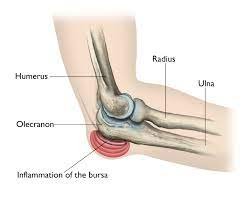
Elbow Pain
Elbow pain is discomfort around the elbow joint that can affect movement, grip strength and everyday activities such as lifting, carrying or working with the arm.
It may result from overuse, muscle or tendon strain, injury, inflammation, arthritis or nerve irritation. People whose work or sports involve repeated movements of the wrist, forearm and elbow may be more likely to develop certain types of elbow pain.
One common overuse condition is tennis elbow (lateral epicondylitis), which usually causes pain on the outer side of the elbow and may make gripping or lifting uncomfortable.
Elbow pain can have many different causes, so persistent, severe or unexplained pain should be medically assessed.
What Is Elbow Pain?
The elbow is a joint where the upper-arm bone (humerus) meets the two bones of the forearm (radius and ulna).
Several muscles, tendons, ligaments and nerves work around this joint to allow the arm and hand to move.
Pain may develop when one or more of these structures becomes irritated, strained or injured.
Depending on the cause, elbow pain may be felt:
- On the outer side of the elbow
- On the inner side
- At the back of the elbow
- Around the entire joint
- Along the forearm or arm
The nature of the pain can also vary. It may feel aching, sharp, burning, stiff, sore or tender.
Causes of Elbow Pain
1. Overuse
Repeated use of the arm, wrist or elbow can place excessive stress on muscles and tendons.
This is common in occupations and activities involving repetitive movements, including:
- Carpentry
- Painting
- Plumbing
- Manual work
- Computer-related repetitive tasks
- Racquet sports
2. Tennis Elbow
Tennis elbow, medically known as lateral epicondylitis, is an overuse condition affecting tendons attached to the outer part of the elbow.
Despite its name, it does not only occur in tennis players. Repeated gripping, lifting or wrist movements can also cause it.
3. Muscle or Tendon Strain
Sudden or repetitive activity can strain the muscles and tendons around the elbow, resulting in pain, tenderness and reduced movement.
4. Ligament Injury
A sudden injury or repetitive stress can damage the ligaments supporting the elbow joint.
5. Arthritis
Different forms of arthritis can affect the elbow and cause:
- Pain
- Stiffness
- Swelling
- Reduced range of movement
6. Nerve Irritation
Nerves passing around the elbow can become compressed or irritated.
For example, irritation of the ulnar nerve may cause pain or tingling around the elbow and numbness or tingling extending toward the ring and little fingers.
7. Injury or Fracture
A fall, direct blow or sports injury can damage bones, ligaments, muscles or tendons around the elbow.
Sudden severe pain after an injury should be assessed promptly.
Symptoms of Elbow Pain
Symptoms depend on the underlying cause.
Common symptoms include:
- Pain around the elbow
- Stiffness
- Tenderness
- Difficulty bending or straightening the arm
- Pain while lifting or carrying objects
- Reduced grip strength
- Mild swelling
- Muscle soreness
- Pain extending into the forearm
- Numbness or tingling when a nerve is involved
- Weakness of the arm or hand
Symptoms of Tennis Elbow
Tennis elbow commonly causes:
- Pain on the outside of the elbow
- Tenderness around the outer elbow
- Pain while gripping
- Pain when lifting an object
- Discomfort with wrist extension
- Reduced grip strength
Risk Factors for Elbow Pain
Age
Elbow problems can occur at any age, but some overuse conditions are more common in adults.
Repetitive Work
Jobs requiring repeated wrist, forearm or elbow movements can increase the risk.
Sports
Activities such as tennis, badminton and other racquet sports can place repetitive stress on the elbow, particularly when technique or equipment contributes to excessive strain.
Sudden Increase in Activity
Increasing the intensity or duration of exercise too quickly can put additional stress on muscles and tendons.
Previous Injury
A previous elbow injury may increase the likelihood of developing ongoing pain or stiffness.
Diagnosis of Elbow Pain
The cause of elbow pain is usually assessed through a combination of medical history and physical examination.
A healthcare professional may assess:
- Where the pain is located
- Which movements make it worse
- Grip strength
- Range of movement
- Tenderness or swelling
- Muscle and tendon function
- Possible nerve involvement
Depending on the symptoms and suspected cause, additional investigations may include:
- X-ray for suspected fractures or certain joint changes
- Ultrasound for some tendon or soft-tissue problems
- MRI when detailed assessment of tendons, ligaments or other soft tissues is required
- Nerve tests when nerve compression or neuropathy is suspected
When Should You Seek Medical Care?
Not every episode of elbow pain requires urgent care. However, medical evaluation is important if:
- Pain is severe or worsening
- The elbow becomes significantly swollen
- You cannot move the arm normally
- Pain follows a significant injury or fall
- The elbow looks deformed
- There is persistent numbness or weakness
- The arm becomes unusually cold or changes colour
- You develop fever with a hot, swollen and painful elbow
- Pain persists despite rest and activity modification
A sudden inability to move the elbow after an injury may indicate a fracture or other significant injury.
Prevention and Lifestyle Tips
Avoid Repetitive Overuse
Give the arm adequate rest if an activity repeatedly aggravates the elbow.
Improve Sports Technique
Proper technique can reduce unnecessary stress on the elbow during tennis, badminton and other racquet sports.
Warm Up Before Exercise
Gentle warm-up exercises before sports or physically demanding activities can prepare the muscles for movement.
Gradually Increase Activity
Avoid suddenly increasing exercise intensity, duration or resistance.
Use Appropriate Equipment
Properly fitted sports equipment and ergonomic tools may reduce unnecessary strain.
Maintain Good Work Posture
If your work involves repetitive arm or wrist movements, take regular breaks and adjust your working position when possible.
Do Not Ignore Persistent Pain
Continuing repetitive activity despite worsening elbow pain may aggravate an underlying tendon or joint problem.
Homeopathic Treatment Approach for Elbow Pain
Homeopathy may be considered by some patients as a complementary approach to individualized symptom management. However, there is insufficient high-quality scientific evidence to establish homeopathic medicines as an effective treatment for the underlying causes of elbow pain or tendon injuries.
Rhus toxicodendron
Traditionally considered when joint or tendon discomfort is associated with:
- Stiffness
- Soreness
- Tenderness
- A bruised feeling
- Tearing-type pain involving muscles, tendons or ligaments
Ruta graveolens
The original homeopathic notes describe Ruta for musculoskeletal complaints involving:
- Stiffness
- A sprained or strained sensation
- Restricted movement
- Aching or breaking-type discomfort around the joint
Bellis perennis
Traditionally described when pain in the outer forearm or elbow region follows exertion or overuse of muscles.
The original notes also describe a sensation of contraction or tightness around the joint.
Causticum
Traditionally considered when elbow or musculoskeletal complaints are accompanied by:
- Muscle weakness
- Dull or tearing-type pain
- Stiffness
- A tendency to stretch or move the affected joints
Arnica montana
Traditionally used in homeopathic practice when there is a:
- Bruised sensation
- Soreness
- Tenderness
- Feeling of injury in the affected area
FAQs About Elbow Pain
1. Why does my elbow hurt when I bend it?
Pain when bending the elbow can occur with tendon irritation, arthritis, injury, inflammation or other joint problems. Persistent or worsening pain should be assessed to identify the cause.
2. Why does my elbow hurt when I straighten my arm?
Pain when straightening the elbow may occur after an injury or with tendon, joint or inflammatory conditions. If movement becomes restricted or the pain persists, seek medical assessment.
3. Can elbow pain cause swelling?
Yes. Swelling can occur with injuries, inflammation, arthritis or conditions affecting the tissues around the elbow. Significant or sudden swelling should be evaluated.
4. Can elbow pain be caused by arthritis?
Yes. Arthritis can cause elbow pain, stiffness and reduced movement. Symptoms may vary depending on the type of arthritis and the structures affected.
5. Why does my elbow hurt at night?
Elbow pain may become more noticeable at night because of certain sleeping positions, prolonged pressure on the joint or underlying tendon or nerve problems. Persistent nighttime pain should be evaluated.
6. Can elbow pain cause weakness in the hand or arm?
Yes. Elbow conditions involving the nerves or surrounding muscles can sometimes cause weakness in the hand or arm. Persistent weakness, especially with numbness or tingling, warrants medical evaluation.
Homeopathic Consultation for Elbow Pain in Zirakpur
If you are looking for homeopathic consultation for elbow pain in Zirakpur, 247 Homeopathy provides individualized consultations with Dr. Ruchi.
During a consultation, factors such as the location and character of pain, stiffness, tenderness, movement-related symptoms, history of overuse or injury and associated symptoms can be discussed.
Patients from Zirakpur, Chandigarh, Panchkula, Mohali, Dera Bassi, Baltana, Dhakoli and nearby areas can consult 247 Homeopathy. Online consultation may also be available for patients who cannot visit the clinic.