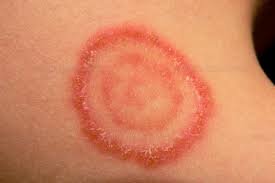
Dermatophytosis
Dermatophytosis is a fungal infection of the skin, hair or nails caused by a group of fungi called dermatophytes. It is commonly known as ringworm, although it is not caused by a worm.
Dermatophytosis can affect different parts of the body, including the scalp, face, abdomen, groin, legs, hands, feet and nails.
The infection can spread through direct skin-to-skin contact or through contaminated personal items such as towels, clothing, footwear and bedding.
What Is Dermatophytosis?
Dermatophytes are fungi that grow on tissues containing keratin, such as the outer layer of the skin, hair and nails.
Common groups of dermatophytes include:
- Trichophyton
- Microsporum
- Epidermophyton
Dermatophytosis is contagious and can spread from one person to another. It can also spread between people and animals in some cases.
Warm and moist environments can encourage fungal growth.
Causes and Risk Factors of Dermatophytosis
Dermatophytosis develops when dermatophyte fungi infect the skin, hair or nails.
Factors that can increase the risk of infection include:
- Direct skin-to-skin contact with an infected person
- Sharing towels or clothing
- Sharing footwear
- Sharing bedding
- Walking barefoot in contaminated communal areas
- Excessive sweating
- Keeping the skin damp for prolonged periods
- Wearing tight clothing
- Living or spending time in warm, humid environments
- Close contact with an infected animal
If one family member has a fungal infection, other family members may also become infected if personal items are shared.
Symptoms of Dermatophytosis
The appearance of dermatophytosis can vary depending on the part of the body affected.
Common symptoms include:
- Red or reddish skin patches
- Raised, ring-shaped rashes
- A more prominent border around the rash
- Intense itching
- Burning or irritation
- Scaling or dryness
- Blisters that may contain watery fluid
- Crusting or discharge in some cases
When the scalp is affected, hair loss or bald patches may occur.
Fungal infection of the nails can cause:
- Thickened nails
- Brittle nails
- Discoloration
- Dark or blackish changes in some cases
- Changes in the normal shape of the nail
Types of Dermatophytosis
The name of the infection often depends on the part of the body affected.
Tinea Pedis
Tinea pedis, commonly called athlete’s foot, is a fungal infection affecting the feet.
Tinea Unguium
Tinea unguium refers to fungal infection of the nails, particularly the toenails.
Tinea Corporis
Tinea corporis affects the skin of the body and can produce characteristic circular or ring-shaped patches.
Tinea Cruris
Tinea cruris, commonly called jock itch, affects the groin region.
Tinea Manuum
Tinea manuum is a fungal infection affecting the hands.
Tinea Capitis
Tinea capitis affects the scalp and can sometimes cause scaling and patches of hair loss.
Tinea Faciei
Tinea faciei affects the skin of the face.
Tinea Barbae
Tinea barbae affects the beard and facial hair region.
Tinea Versicolor
The original content includes tinea versicolor under dermatophytosis. More accurately, tinea versicolor is a superficial yeast infection caused by Malassezia, rather than a dermatophyte infection.
It can cause lighter or darker patches on the skin, commonly on the trunk and other areas.
Tinea Nigra
Tinea nigra is a superficial fungal infection that can cause dark brown or blackish patches, commonly on the palms or soles.
Diagnosis of Dermatophytosis
A healthcare professional can often recognize a fungal infection by examining the affected skin.
When the diagnosis is uncertain, additional testing may be recommended.
KOH Examination
A potassium hydroxide (KOH) preparation can be performed on a skin, hair or nail sample to look for fungal elements under a microscope.
Calcofluor white staining may also be used in some laboratories to help identify fungal structures.
Fungal Culture
A fungal culture can help identify the organism responsible for an infection, particularly when the diagnosis is uncertain or the infection is persistent.
It is important to distinguish fungal infections from other skin conditions that can look similar.
Precautions and Management
Good hygiene and keeping the affected area dry are important when managing a fungal infection.
Helpful measures include:
- Keep the affected skin clean and dry.
- Dry the body thoroughly after bathing.
- Avoid sharing towels, clothing, footwear or bedding.
- Use separate personal items when someone in the household has a fungal infection.
- Wash clothes and towels regularly.
- Avoid wearing tight clothing over affected areas.
- Change sweaty clothing promptly.
- Keep footwear clean and dry.
- Avoid prolonged moisture on the skin.
- Wash hands after touching an affected area.
- Avoid scratching the rash, as this can irritate the skin and potentially spread infection.
The original content advises avoiding oils and moisturizers on affected areas because moisture may encourage fungal growth. However, management depends on the specific infection and skin condition, so patients should follow the advice of their healthcare professional.
Avoid Self-Treating an Unknown Rash
Not every circular or itchy rash is ringworm. Conditions such as eczema, psoriasis and other skin disorders can sometimes look similar.
If a rash is spreading, persistent, recurrent or not improving with appropriate treatment, professional evaluation is advisable.
Homeopathic Treatment Approach for Dermatophytosis
At 247 Homeopathy, Zirakpur, Dr. Ruchi considers the location and appearance of the fungal infection, the nature of itching, skin changes and the individual’s overall symptoms when selecting a homeopathic remedy.
The following medicines are included in Dr. Ruchi’s original homeopathic treatment section:
Tellurium
Tellurium is traditionally considered in homeopathic practice for tinea corporis with large patches affecting extensive areas of the body.
The original description highlights intense itching during both day and night, with itching described as worse in cold open air.
Sepia
Sepia is traditionally considered when fungal skin complaints affect areas such as the knees and elbows or other parts of the body.
The original description emphasizes intense itching with little relief from scratching and includes particular emotional symptoms that may be considered as part of the individual homeopathic assessment.
Graphites
Graphites is traditionally considered for tinea cruris or jock itch when the skin is dry and rough with severe itching.
The original description also notes crusting with a sticky, moisture-like discharge.
Frequently Asked Questions About Dermatophytosis
1. Can dermatophytosis cause itching at night?
Yes. Dermatophyte infections can cause itching that may be noticeable at different times of the day, including at night. Persistent or severe itching should be evaluated if the diagnosis is uncertain.
2. Can dermatophytosis cause hair loss?
Yes. When dermatophytosis affects the scalp, it can cause scaling, itching and patches of hair loss. Scalp fungal infections should be assessed and treated appropriately to reduce the risk of complications.
3. Can dermatophytosis spread from one body part to another?
Yes. Fungal infections can affect multiple areas of the body, and scratching an infected area and then touching another area may contribute to spread. Keeping the affected skin clean and dry can help reduce transmission.
4. Can dermatophytosis affect the groin?
Yes. Dermatophyte infections can affect the groin, where the condition is commonly called jock itch or tinea cruris. It may cause an itchy, scaly rash in the groin and surrounding skin.
5. Can dermatophytosis come back after treatment?
Yes. A fungal infection can recur after treatment, particularly if the infection is not fully cleared or there is continued exposure to the fungus. Recurrent symptoms should be reassessed to confirm the diagnosis and identify possible sources of reinfection.
6. How long does dermatophytosis take to clear?
The time needed for a dermatophyte infection to clear varies depending on the affected body area, extent of infection, and treatment used. Skin infections may improve gradually, while infections involving the scalp or nails can require longer treatment. Persistent symptoms should be medically reviewed.
Consult 247 Homeopathy in Zirakpur
If you are experiencing itchy, circular skin patches, recurring fungal complaints, scalp scaling, hair loss or changes in the nails, professional assessment can help determine the underlying cause.
At 247 Homeopathy in Zirakpur, Punjab, Dr. Ruchi provides individualized homeopathic consultations based on the patient’s symptoms, skin complaints and overall health history.
Patients from Zirakpur and nearby areas including Chandigarh, Panchkula, Mohali, Dera Bassi, Baltana and Dhakoli can contact 247 Homeopathy for consultation information.
For persistent, spreading or recurrent skin infections, appropriate diagnosis is important because different skin conditions can appear similar and may require different treatment.
Consult 247 Homeopathy, Zirakpur, for individualized guidance based on your symptoms.


